


Get On The List
Get the latest Men's Style Advice, Evergreen Guides, Shopping Tips, and Exclusive Deals From Today's Top Brands.

 09 July 2012
 Matt Allinson
We independently evaluate all recommended products and services. Any products or services put forward appear in no particular order. if you click on links we provide, we may receive compensation.
This piece could of very easily turned into a rant about how rubbish our English summer has been so far. Like how I’ve basically had to keep my entire seasonal wardrobe readily available, because with each new day comes a new change in weather. And how, due to this temperamental temperature we are experiencing, I’ve been unable to practise one of my favourite sartorial techniques – mixing textiles and materials.
OK, so this piece is already turning into a little bit of a rant. But I promise that’s all the moaning out of my system and I’ll just focus on explaining how to mix textiles the correct and stylish way. The art of mixing materials and textures is not something simply reserved for the summer, it can be done all year round.
This is because, as we all should know, there are some materials that are more suited for colder climates and others for warmer weather. It’s the ability to distinguish the two that really is the key. However, there is one thing that you need to get your head around first…
That one thing is how to layer properly. There are plenty of you out there going about it all wrong, and it’s very easy to fix. All you have to do is follow the simple rule of thin to thick. What I mean by this is that when you’re putting together a look, the pieces that you layer together should get thicker and more heavyweight as you progress outwards.
For example, in the winter, a lot of guys like to pair their flannel plaid shirts with v-neck jumpers – and there’s nothing wrong with this look aesthetically. However, it’s just plain wrong and illogical. Due to the thick heavy nature of a material like flannel, most gents opt for a thin cotton jumper because they are already feeling warm and cosy from the shirt.
In reality, you should swap the two around so that the lighter cotton will be closer to your skin, allowing you a bit more breathe-ability while the outer layer of flannel will keep you warm. Alternatively, if you were to pair that flannel shirt with a tweed blazer, then yes, it should be your first layer. There are also plenty of plaid shirts out there in lighter cottons, so all you would have to do is pair one of them with a thicker lamb’s wool jumper and you’re on to a winner.

Now all you need to understand is which textiles relate to summer or winter. And that even if a material is made from a lightweight fabric, such as linen, it can in reality be a substantial piece to both wear and look at. For example, plenty of linen blazers still have a lot of weight and ‘heft’ to them – making them perfect outer pieces for layering in warmer months, but still negating the risk of overheating too much.
Other great materials for the warmer months are as follows: seersucker, whipcord, poplin cotton, madras, chambray and lightweight wools. Yes, you can wear wool in the summer. Just make sure it’s less than 8oz in weight and you will find that it will be more breathable and cooler than most other fabrics out there.
Finally, if you happen to have a penchant for extravagant spending and design, Zegna showcased plenty of suits in silk within their SS13 collection at Milan, which is another great lightweight fabric that oozes elegance and luxury.
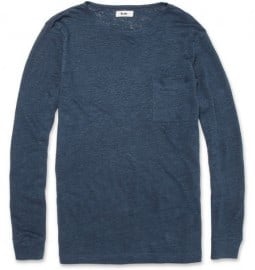
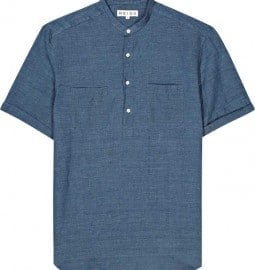
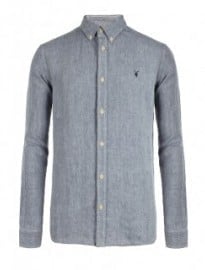
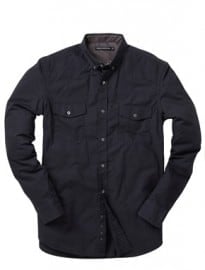
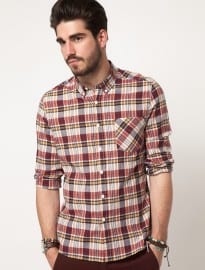
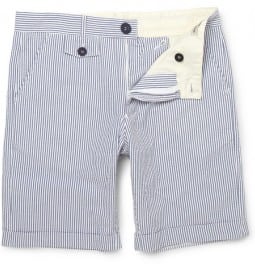
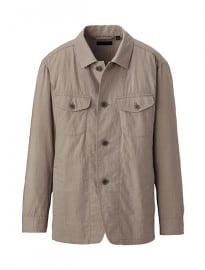
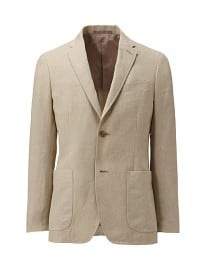
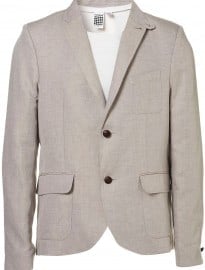
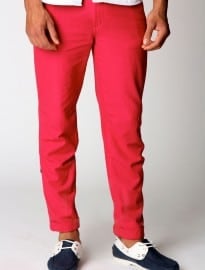
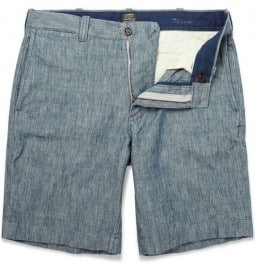
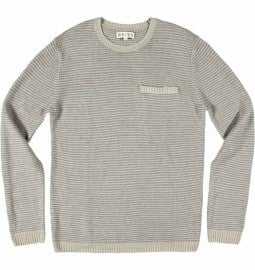
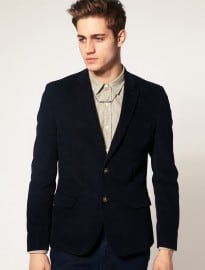
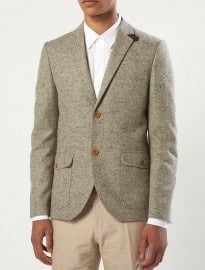
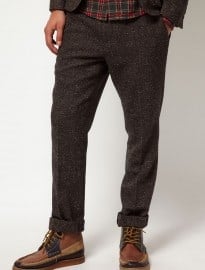
Winter fabrics include tweed, flannel, corduroy, thicker cottons (such as oxford cloth), lamb’s wool, cashmere, mohair and merino wool.
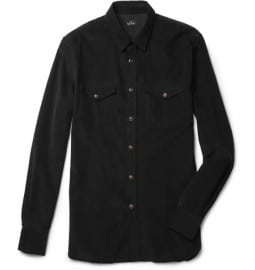
With corduroy, be aware of how big the wales are – which is the size of the ribbing of the material. If it has a wide wale then it will be more suited as an outer layer, due to its thicker and more beefy nature, while pinwale corduroy is much thinner and can even be found on some shirts and trousers.
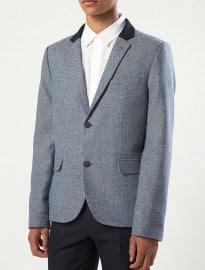
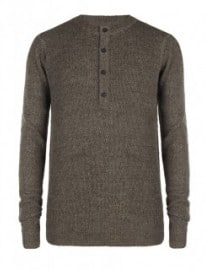
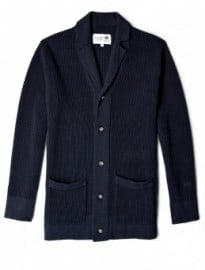
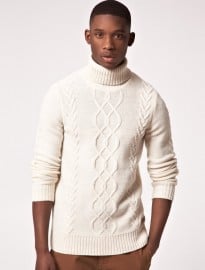
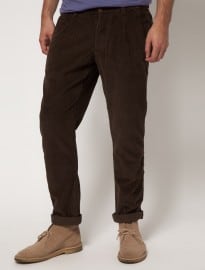
So there you have it, a quick and easy guide on the basics of layering and how you should be mixing materials and textures. Just remember which materials complement each other and the ‘thin to thick’ rule and you can’t go wrong. Next week we will put these rules into practise and I will provide you with a variety of go-to layered looks that you can incorporate into your arsenal.
But for now, why not tell me what you think about mixing textiles? Are there any tips and techniques you use that I’ve not mentioned? Or do you just ignore this whole ‘thing’ all together? Let me know guys!

Matt graduated from Leeds University in 2009 and is currently studying for an MA in Multi-media Journalism at Bournemouth University. He is in charge of the Men’s Fashion Basics section which provides you with a step by step guide to becoming a stylish individual in any situation.
 09 July 2012
 Matt Allinson
We independently evaluate all recommended products and services. Any products or services put forward appear in no particular order. if you click on links we provide, we may receive compensation.
This piece could of very easily turned into a rant about how rubbish our English summer has been so far. Like how I’ve basically had to keep my entire seasonal wardrobe readily available, because with each new day comes a new change in weather. And how, due to this temperamental temperature we are experiencing, I’ve been unable to practise one of my favourite sartorial techniques – mixing textiles and materials.
OK, so this piece is already turning into a little bit of a rant. But I promise that’s all the moaning out of my system and I’ll just focus on explaining how to mix textiles the correct and stylish way. The art of mixing materials and textures is not something simply reserved for the summer, it can be done all year round.
This is because, as we all should know, there are some materials that are more suited for colder climates and others for warmer weather. It’s the ability to distinguish the two that really is the key. However, there is one thing that you need to get your head around first…
That one thing is how to layer properly. There are plenty of you out there going about it all wrong, and it’s very easy to fix. All you have to do is follow the simple rule of thin to thick. What I mean by this is that when you’re putting together a look, the pieces that you layer together should get thicker and more heavyweight as you progress outwards.
For example, in the winter, a lot of guys like to pair their flannel plaid shirts with v-neck jumpers – and there’s nothing wrong with this look aesthetically. However, it’s just plain wrong and illogical. Due to the thick heavy nature of a material like flannel, most gents opt for a thin cotton jumper because they are already feeling warm and cosy from the shirt.
In reality, you should swap the two around so that the lighter cotton will be closer to your skin, allowing you a bit more breathe-ability while the outer layer of flannel will keep you warm. Alternatively, if you were to pair that flannel shirt with a tweed blazer, then yes, it should be your first layer. There are also plenty of plaid shirts out there in lighter cottons, so all you would have to do is pair one of them with a thicker lamb’s wool jumper and you’re on to a winner.
Now all you need to understand is which textiles relate to summer or winter. And that even if a material is made from a lightweight fabric, such as linen, it can in reality be a substantial piece to both wear and look at. For example, plenty of linen blazers still have a lot of weight and ‘heft’ to them – making them perfect outer pieces for layering in warmer months, but still negating the risk of overheating too much.
Other great materials for the warmer months are as follows: seersucker, whipcord, poplin cotton, madras, chambray and lightweight wools. Yes, you can wear wool in the summer. Just make sure it’s less than 8oz in weight and you will find that it will be more breathable and cooler than most other fabrics out there.
Finally, if you happen to have a penchant for extravagant spending and design, Zegna showcased plenty of suits in silk within their SS13 collection at Milan, which is another great lightweight fabric that oozes elegance and luxury.
Winter fabrics include tweed, flannel, corduroy, thicker cottons (such as oxford cloth), lamb’s wool, cashmere, mohair and merino wool.
With corduroy, be aware of how big the wales are – which is the size of the ribbing of the material. If it has a wide wale then it will be more suited as an outer layer, due to its thicker and more beefy nature, while pinwale corduroy is much thinner and can even be found on some shirts and trousers.
So there you have it, a quick and easy guide on the basics of layering and how you should be mixing materials and textures. Just remember which materials complement each other and the ‘thin to thick’ rule and you can’t go wrong. Next week we will put these rules into practise and I will provide you with a variety of go-to layered looks that you can incorporate into your arsenal.
But for now, why not tell me what you think about mixing textiles? Are there any tips and techniques you use that I’ve not mentioned? Or do you just ignore this whole ‘thing’ all together? Let me know guys!
Matt graduated from Leeds University in 2009 and is currently studying for an MA in Multi-media Journalism at Bournemouth University. He is in charge of the Men’s Fashion Basics section which provides you with a step by step guide to becoming a stylish individual in any situation.


Get the latest Men's Style Advice, Evergreen Guides, Shopping Tips, and Exclusive Deals From Today's Top Brands.
We respect your privacy. We won't spam you.
Get the latest Men's Style Advice, Evergreen Guides, Shopping Tips, and Exclusive Deals From Today's Top Brands.
We respect your privacy. We won't spam you.
