


Get On The List
Get the latest Men's Style Advice, Evergreen Guides, Shopping Tips, and Exclusive Deals From Today's Top Brands.
 25 November 2015
 Jamie Millar
We independently evaluate all recommended products and services. Any products or services put forward appear in no particular order. if you click on links we provide, we may receive compensation.
Smart-casual: two diametrically opposed terms, yoked together by a hyphen to mean… something located somewhere in the vast, nebulous gulf between the two poles.
An unholy matrimony of antonyms, smart-casual is ill-defined and even less well understood by most men. It’s an enigma of a dress code that seemingly requires Alan Turing levels of cryptanalysing to crack. On the surface, it sounds so easy, so relaxed, so… casual. Yet there’s the lingering, vaguely troubling presence of that word ‘smart’. It’s enough to make you beg for a black tie invitation: at least with that you know where you stand.
FashionBeans is here to cut this Gordian knot once and for all (if indeed smart-casual even requires a tie). But rather than attempt to pin it down precisely, smart-casual is best understood as a spectrum. That’s to say different elements of your outfit can sit at various points along the scale, but no one piece should veer too far in either direction. Smart-casual is a fine line, a balancing act – or a tightrope.
To help you tread the line, we’ve honed in on four key smart-casual mainstays. By understanding the guiding principles that make them at once smart and also somehow casual – and precisely to what degree – you can break the code, and not the rules.
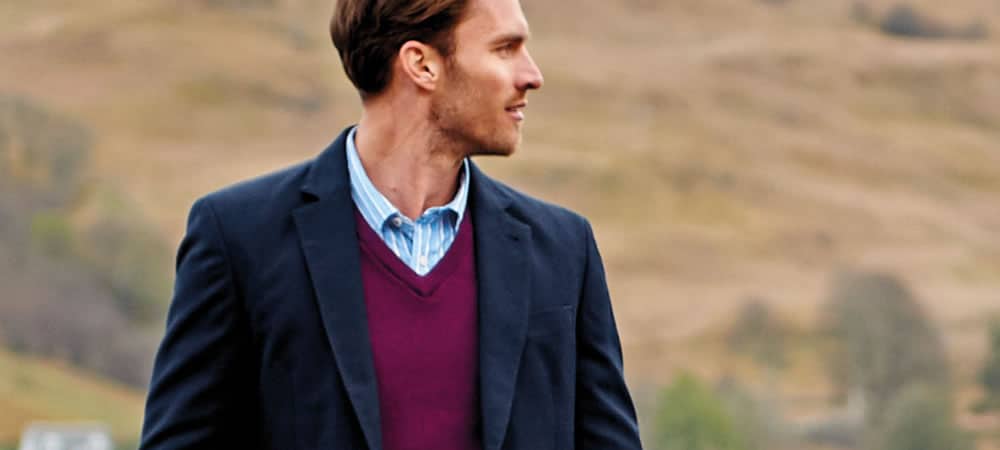
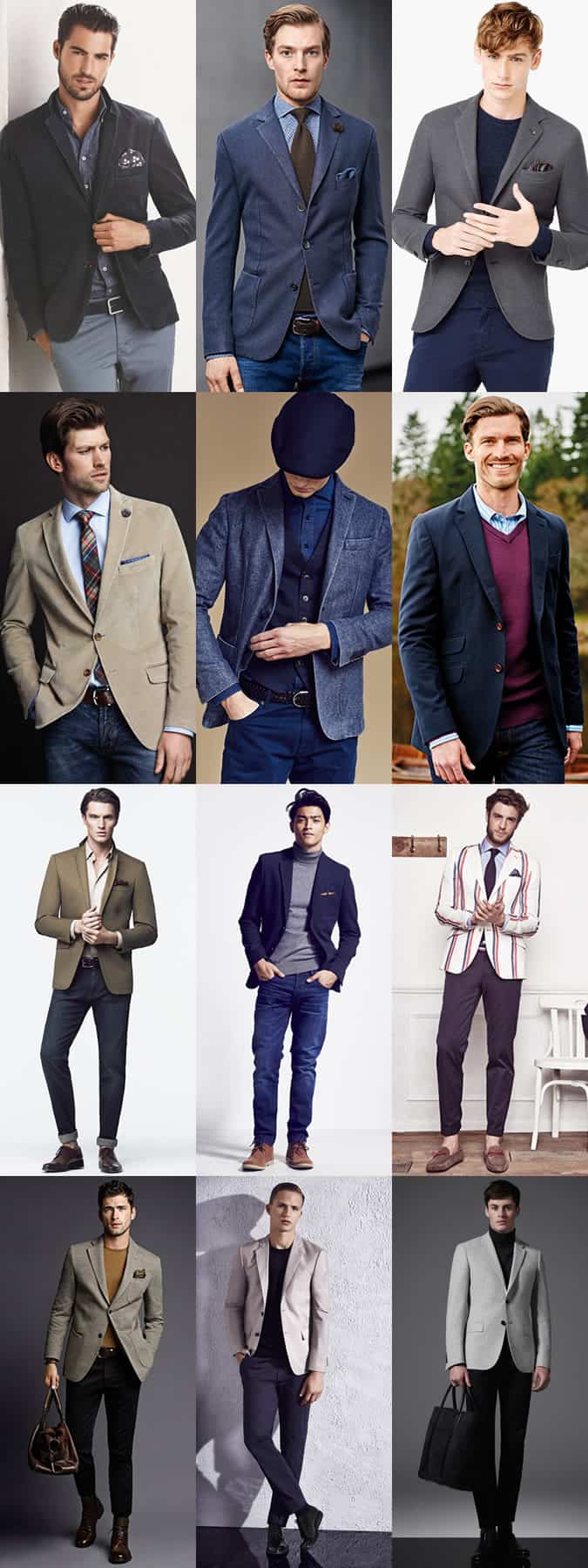
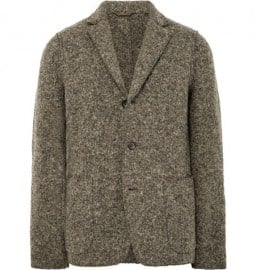
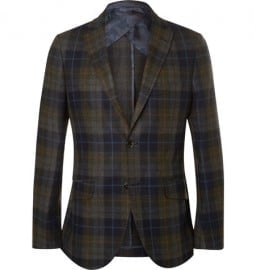
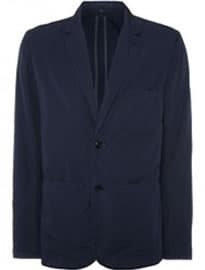
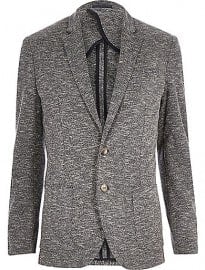
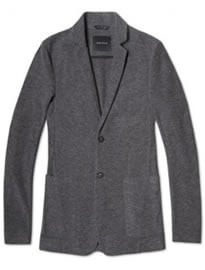
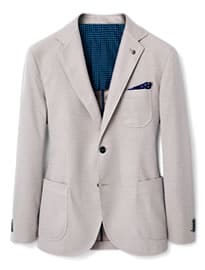
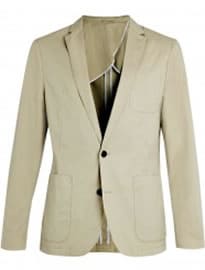
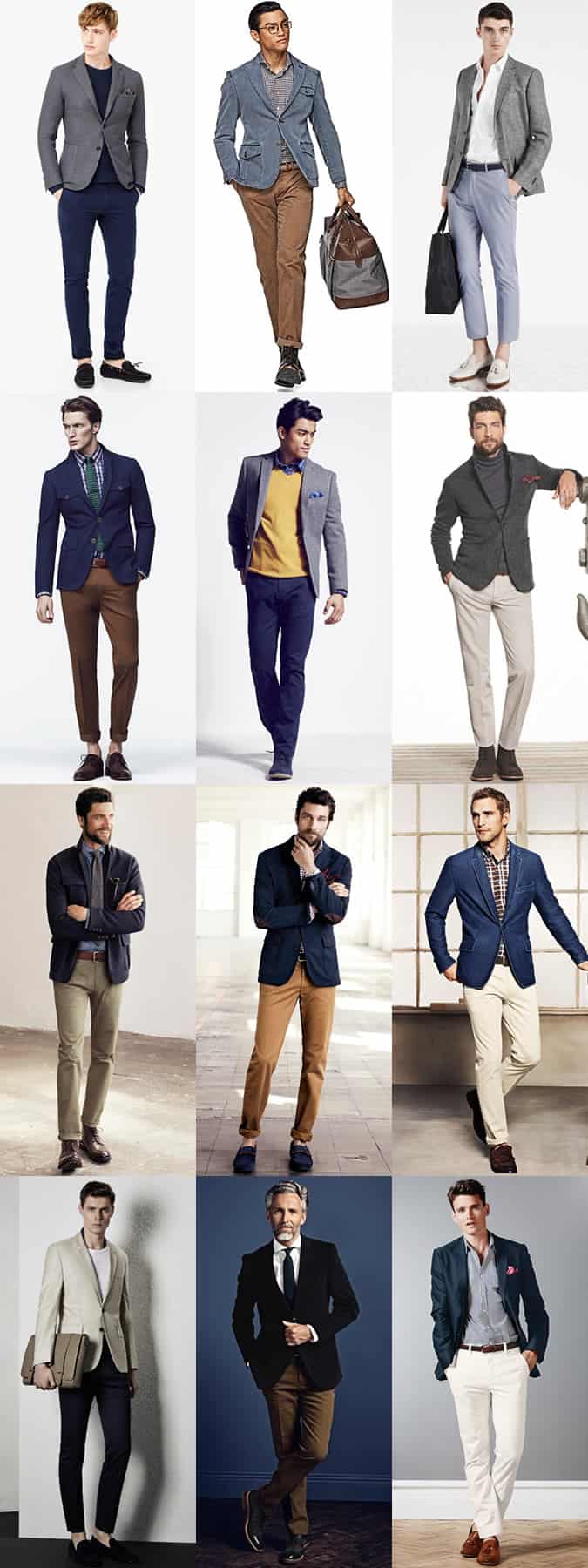
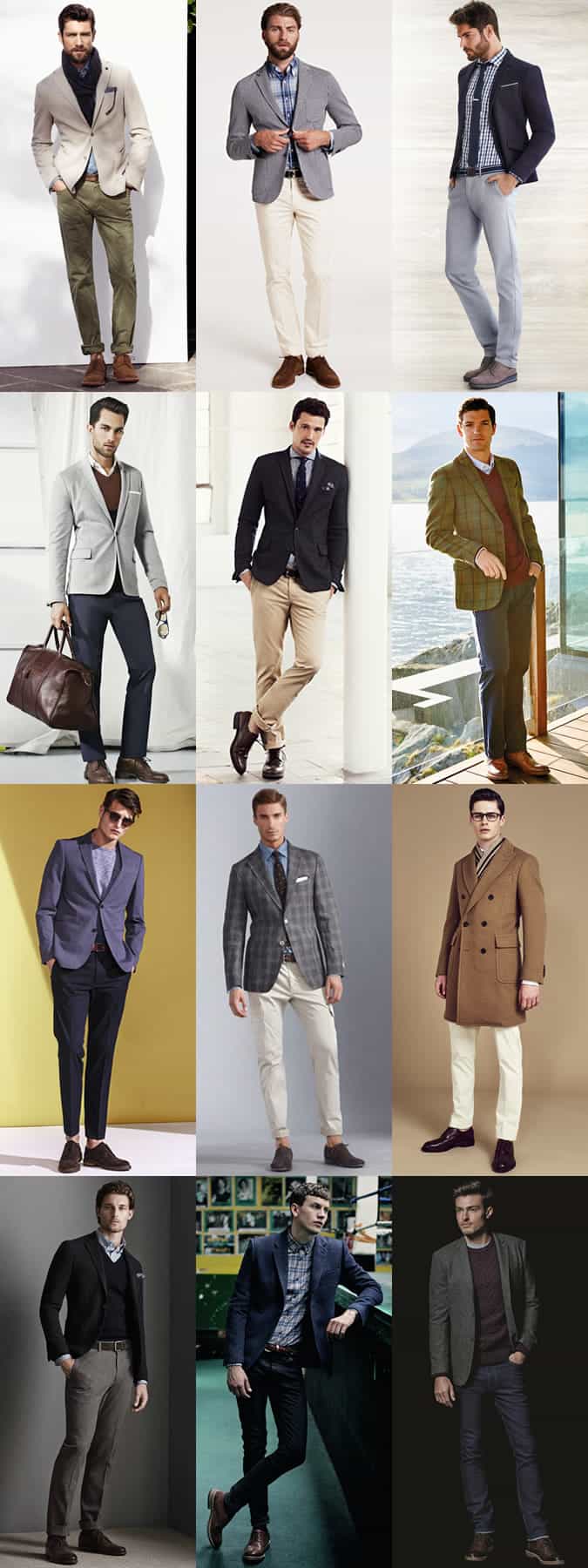
A separate tailored jacket is more casual than a full suit. But it’s still tailoring, and therefore smart. With us so far? Putting the ‘smart’ in smart-casual, a good blazer will cover a multitude of informal outfit sins. But what makes a good blazer? Well, there’s no hard-and-fast rule.
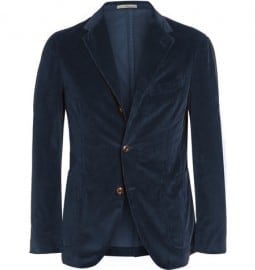
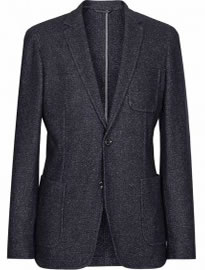
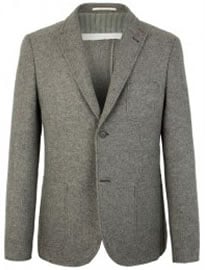
It’s partly about softness – of construction. A more natural, less padded shoulder will sit better with chinos (see below) or jeans. Hence why most suit jackets, especially the traditional British cut ones, don’t look right worn separately. The Italians are past masters of this kind of soft tailoring, from Boglioli to Aspesi. The less structured it is, the more casual it appears.
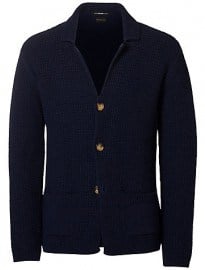
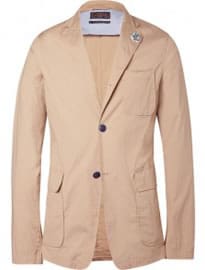
Another key factor is texture. For smart-casualwear, you want a fabric that’s a bit… nubby, and on the matte side. Again, suit jackets tend to be made of shiny, smooth worsted wool, which is way too formal. You could even consider knitted blazers, which are practically cardigans – and as casual as this piece gets. Finally, there’s length to think about: a smart-casual blazer will come up slightly shorter than a standard suit jacket (we’re talking just an inch or two, mind). Colour is also important to consider: lighter shades skew casual, as do patterns (with the notable exception of pinstripe). Ditto details like patch pockets – which look like they’ve been sewn onto the outside of the jacket – and contrast buttons. Unless they’re gold.
Sure, you could wear a plain tee as part of a smart-casual ensemble – but you’re tipping the balance heavily in the direction of casual. A polo is a happier medium: it’s got a collar, so is more shirt-like and therefore smarter. But it’s still more casual than an actual shirt.
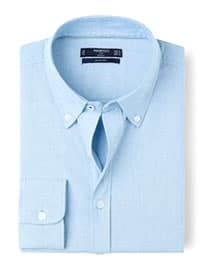
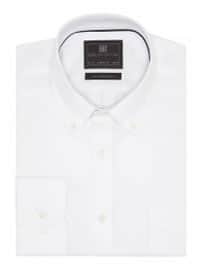
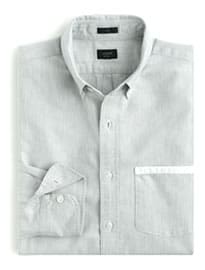
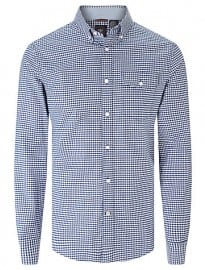
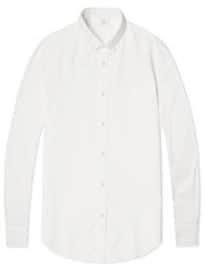
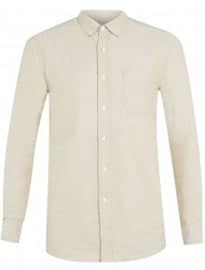
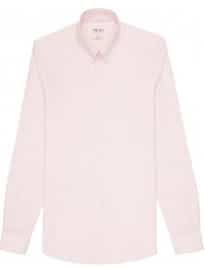
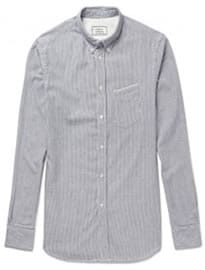
An Oxford button-down shirt, on the other hand, is a smart-casual fail-safe. For starters, it’s, you know, a shirt, so inherently smart. But like the blazers we mentioned above, it’s softer in construction than traditional stiffer-collared alternatives, and more textured, so it’s therefore more casual. Making sense yet?
The terms ‘Oxford’ and ‘button-down’ are often used interchangeably. But strictly speaking, Oxford is a type of thick cloth, which is both literally and metaphorically not ‘fine’. You can have a button-down shirt in, say, a fine, shiny poplin, and the overall effect is very different – and much more formal. Because of this, the appearance and texture of Oxford button-downs often cause them to jar with smarter suits.
Tie or no tie? That depends on how smart the occasion is, and how smart you want to be. In accordance with the principles of texture, a knitted tie is the ultimate smart-casual neckwear option: more casual than a smooth silk design (just how much depends on the shininess), but smarter than no tie at all.
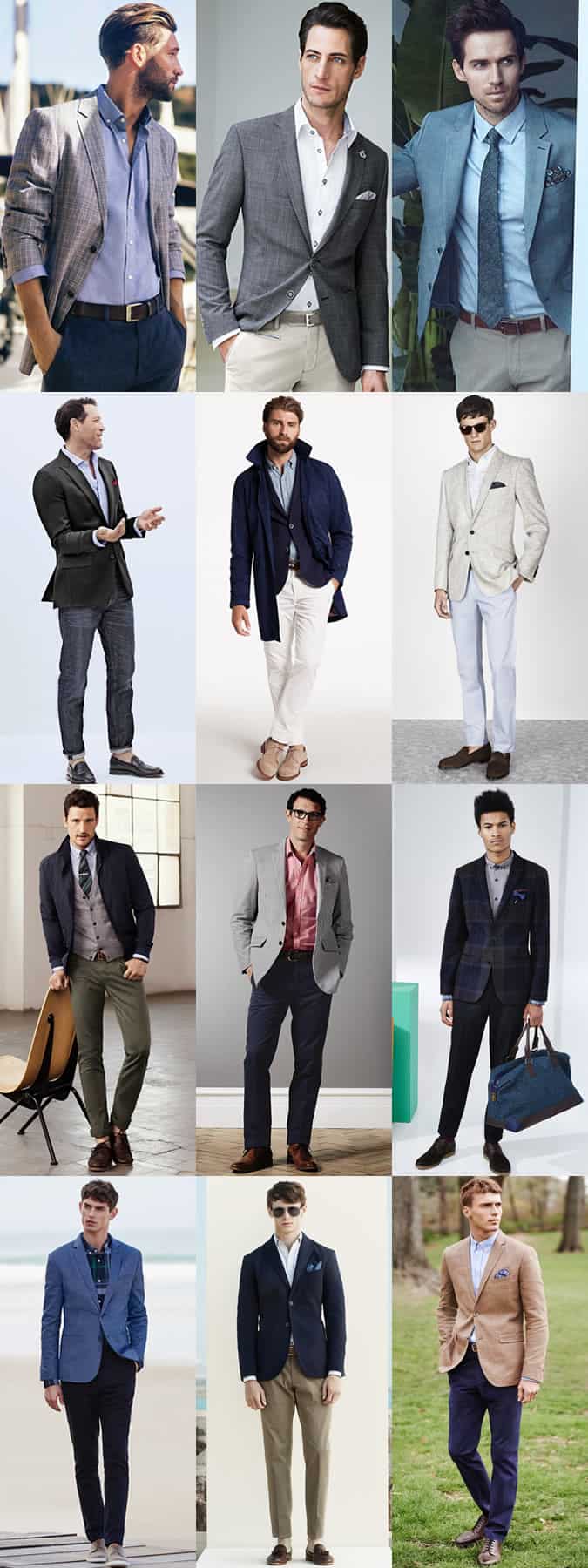
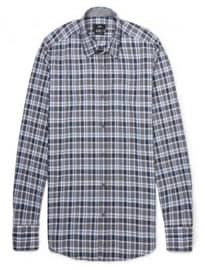
Unless they’ve been specifically forbidden, jeans can work in a smart-casual context. But they’re workwear, and textured, so like a tee they tip the balance towards casual. If you do go down this route, you’ll want them to be in a dark wash, slim-fitting and not distressed. Unless you’re Ralph Lauren at a black tie event, in which case you’re far too important to give a rat’s about dress codes.
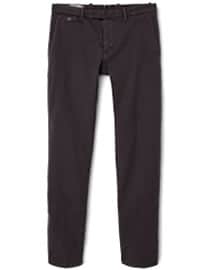
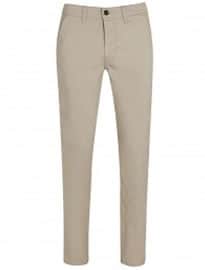
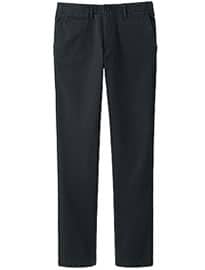
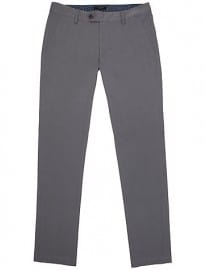
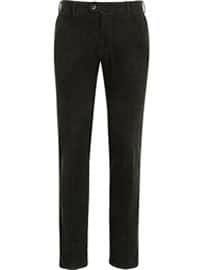
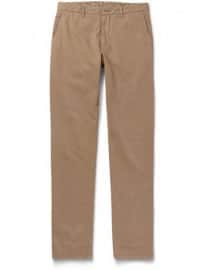
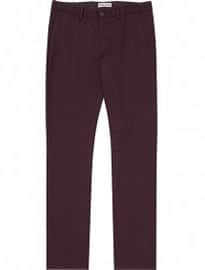
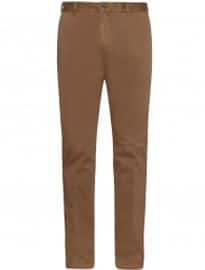
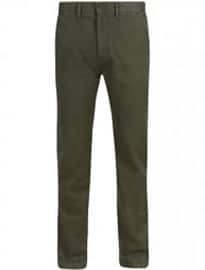
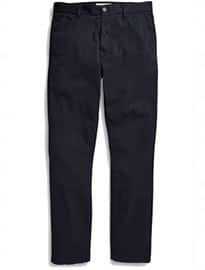
For most smart-casual missions though, deploy chinos. Their roots are military, so they have a uniform element that lends them a certain smartness. But they’re ‘softer’ – that is to say, less structured – than tailored trousers, and so more casual. And while their cotton twill fabric is more rugged (read: textured) than smart wool, it’s less so than casual denim. That said, it’s a sliding scale of smartness since twill can be wrinkly (casual) or rigid (smart). Judge each pair on its relative merits.
As ever, Keyser Söze is in the details. Take pleats for example; as well as adding room around the hips, they add a sense of smartness, as does a tab closure (traditionally found on formal trousers) at the waist. You shouldn’t need an apoplectic drill sergeant though to tell you that a crease down the front of your chinos (i.e. pleat front chinos) is smarter than the absence of one (flat front chinos). Rolling your chinos up at the bottom, however, will make them look more casual. And weird if they’re also creased.
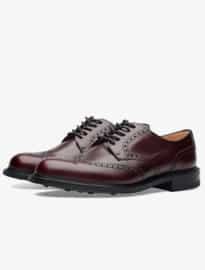
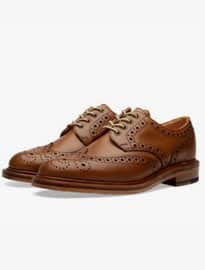
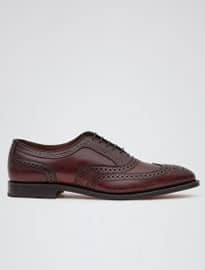
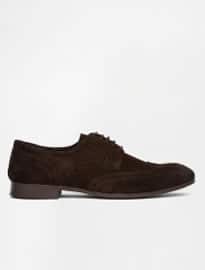
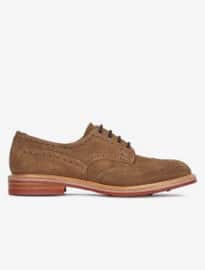
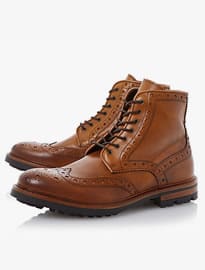
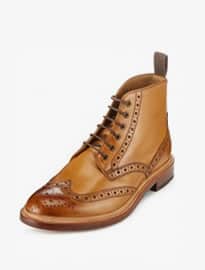
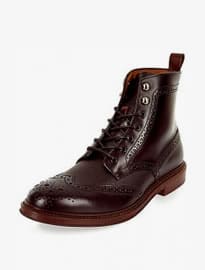
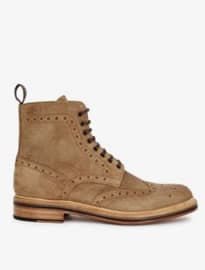
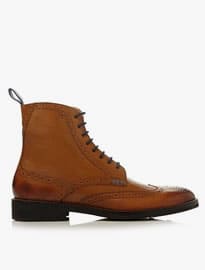
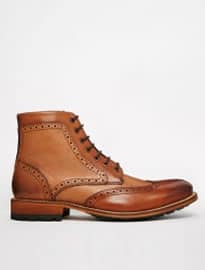
As with a T-shirt, you can wear (clean, minimal) trainers in a smart-casual outfit. But you’re toeing the line and in serious danger of tipping into too-casual territory. Don’t go rogue: go brogue.
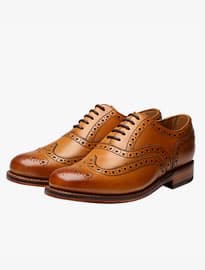
It’s all in the texture. Generally, the smoother and shinier a shoe is, the more formal it is. Oxfords, with their concealed eyelets and maybe a toecap seam, are smarter than brogues. And whole-cut shoes – made from one piece of leather with no stitching – are perhaps the smartest of all. Use this rule to gauge the smartness of your brogues: the more detail they have, the more casual they are. (By now, you should also have worked out that suede is more casual than leather.)
That’s not the sole factor though. Shape is vitally important: the pointier they are, the sharper they look. A sleek shoe with broguing can still be quite smart; a rounder shoe that’s totally plain – like a Derby – can be very casual. Ideally you want an in-between ‘almond’ toe. Also, chunkiness steps up the casualness: by the same logic, Nike Air Force 1s don’t work in a smart-casual getup. Or with a suit.
Finally, consider lightness of color. Brown is more casual than black; light brown and tan are more casual still. This is why tan shoes don’t look right with formal and/or dark suits. Please stop this.
Have you achieved smart-casual enlightenment? Or are you still trapped in the dress code Dark Ages?
Let us know in the comments below (and if the latter, we’ll try and explain further).
Formerly online style and grooming editor at GQ, Jamie Millar is a contributing editor to Men’s Health and a correspondent for outlets such as Mr Porter, Amuse and The Gentleman’s Journal. (Follow him on Instagram @mrjamiemillar.) With a frankly alarming number of years’ experience under his waistband, he’s equally comfortable dispensing advice about classic style or high fashion, Swiss watches or fitness and nutrition – because he’s probably wearing (tailored) sweatpants while he does so.
 25 November 2015
 Jamie Millar
We independently evaluate all recommended products and services. Any products or services put forward appear in no particular order. if you click on links we provide, we may receive compensation.
Smart-casual: two diametrically opposed terms, yoked together by a hyphen to mean… something located somewhere in the vast, nebulous gulf between the two poles.
An unholy matrimony of antonyms, smart-casual is ill-defined and even less well understood by most men. It’s an enigma of a dress code that seemingly requires Alan Turing levels of cryptanalysing to crack. On the surface, it sounds so easy, so relaxed, so… casual. Yet there’s the lingering, vaguely troubling presence of that word ‘smart’. It’s enough to make you beg for a black tie invitation: at least with that you know where you stand.
FashionBeans is here to cut this Gordian knot once and for all (if indeed smart-casual even requires a tie). But rather than attempt to pin it down precisely, smart-casual is best understood as a spectrum. That’s to say different elements of your outfit can sit at various points along the scale, but no one piece should veer too far in either direction. Smart-casual is a fine line, a balancing act – or a tightrope.
To help you tread the line, we’ve honed in on four key smart-casual mainstays. By understanding the guiding principles that make them at once smart and also somehow casual – and precisely to what degree – you can break the code, and not the rules.
A separate tailored jacket is more casual than a full suit. But it’s still tailoring, and therefore smart. With us so far? Putting the ‘smart’ in smart-casual, a good blazer will cover a multitude of informal outfit sins. But what makes a good blazer? Well, there’s no hard-and-fast rule.
It’s partly about softness – of construction. A more natural, less padded shoulder will sit better with chinos (see below) or jeans. Hence why most suit jackets, especially the traditional British cut ones, don’t look right worn separately. The Italians are past masters of this kind of soft tailoring, from Boglioli to Aspesi. The less structured it is, the more casual it appears.
Another key factor is texture. For smart-casualwear, you want a fabric that’s a bit… nubby, and on the matte side. Again, suit jackets tend to be made of shiny, smooth worsted wool, which is way too formal. You could even consider knitted blazers, which are practically cardigans – and as casual as this piece gets. Finally, there’s length to think about: a smart-casual blazer will come up slightly shorter than a standard suit jacket (we’re talking just an inch or two, mind). Colour is also important to consider: lighter shades skew casual, as do patterns (with the notable exception of pinstripe). Ditto details like patch pockets – which look like they’ve been sewn onto the outside of the jacket – and contrast buttons. Unless they’re gold.
Sure, you could wear a plain tee as part of a smart-casual ensemble – but you’re tipping the balance heavily in the direction of casual. A polo is a happier medium: it’s got a collar, so is more shirt-like and therefore smarter. But it’s still more casual than an actual shirt.
An Oxford button-down shirt, on the other hand, is a smart-casual fail-safe. For starters, it’s, you know, a shirt, so inherently smart. But like the blazers we mentioned above, it’s softer in construction than traditional stiffer-collared alternatives, and more textured, so it’s therefore more casual. Making sense yet?
The terms ‘Oxford’ and ‘button-down’ are often used interchangeably. But strictly speaking, Oxford is a type of thick cloth, which is both literally and metaphorically not ‘fine’. You can have a button-down shirt in, say, a fine, shiny poplin, and the overall effect is very different – and much more formal. Because of this, the appearance and texture of Oxford button-downs often cause them to jar with smarter suits.
Tie or no tie? That depends on how smart the occasion is, and how smart you want to be. In accordance with the principles of texture, a knitted tie is the ultimate smart-casual neckwear option: more casual than a smooth silk design (just how much depends on the shininess), but smarter than no tie at all.
Unless they’ve been specifically forbidden, jeans can work in a smart-casual context. But they’re workwear, and textured, so like a tee they tip the balance towards casual. If you do go down this route, you’ll want them to be in a dark wash, slim-fitting and not distressed. Unless you’re Ralph Lauren at a black tie event, in which case you’re far too important to give a rat’s about dress codes.
For most smart-casual missions though, deploy chinos. Their roots are military, so they have a uniform element that lends them a certain smartness. But they’re ‘softer’ – that is to say, less structured – than tailored trousers, and so more casual. And while their cotton twill fabric is more rugged (read: textured) than smart wool, it’s less so than casual denim. That said, it’s a sliding scale of smartness since twill can be wrinkly (casual) or rigid (smart). Judge each pair on its relative merits.
As ever, Keyser Söze is in the details. Take pleats for example; as well as adding room around the hips, they add a sense of smartness, as does a tab closure (traditionally found on formal trousers) at the waist. You shouldn’t need an apoplectic drill sergeant though to tell you that a crease down the front of your chinos (i.e. pleat front chinos) is smarter than the absence of one (flat front chinos). Rolling your chinos up at the bottom, however, will make them look more casual. And weird if they’re also creased.
As with a T-shirt, you can wear (clean, minimal) trainers in a smart-casual outfit. But you’re toeing the line and in serious danger of tipping into too-casual territory. Don’t go rogue: go brogue.
It’s all in the texture. Generally, the smoother and shinier a shoe is, the more formal it is. Oxfords, with their concealed eyelets and maybe a toecap seam, are smarter than brogues. And whole-cut shoes – made from one piece of leather with no stitching – are perhaps the smartest of all. Use this rule to gauge the smartness of your brogues: the more detail they have, the more casual they are. (By now, you should also have worked out that suede is more casual than leather.)
That’s not the sole factor though. Shape is vitally important: the pointier they are, the sharper they look. A sleek shoe with broguing can still be quite smart; a rounder shoe that’s totally plain – like a Derby – can be very casual. Ideally you want an in-between ‘almond’ toe. Also, chunkiness steps up the casualness: by the same logic, Nike Air Force 1s don’t work in a smart-casual getup. Or with a suit.
Finally, consider lightness of color. Brown is more casual than black; light brown and tan are more casual still. This is why tan shoes don’t look right with formal and/or dark suits. Please stop this.
Have you achieved smart-casual enlightenment? Or are you still trapped in the dress code Dark Ages?
Let us know in the comments below (and if the latter, we’ll try and explain further).
Formerly online style and grooming editor at GQ, Jamie Millar is a contributing editor to Men’s Health and a correspondent for outlets such as Mr Porter, Amuse and The Gentleman’s Journal. (Follow him on Instagram @mrjamiemillar.) With a frankly alarming number of years’ experience under his waistband, he’s equally comfortable dispensing advice about classic style or high fashion, Swiss watches or fitness and nutrition – because he’s probably wearing (tailored) sweatpants while he does so.



Get the latest Men's Style Advice, Evergreen Guides, Shopping Tips, and Exclusive Deals From Today's Top Brands.
We respect your privacy. We won't spam you.
Get the latest Men's Style Advice, Evergreen Guides, Shopping Tips, and Exclusive Deals From Today's Top Brands.
We respect your privacy. We won't spam you.
