


Get On The List
Get the latest Men's Style Advice, Evergreen Guides, Shopping Tips, and Exclusive Deals From Today's Top Brands.

 03 February 2026
 FashionBeans Editors
We independently evaluate all recommended products and services. Any products or services put forward appear in no particular order. if you click on links we provide, we may receive compensation.
The fundamental difference: Joggers have tapered legs with elastic cuffs at the ankles, while sweatpants have straight legs with open (or sometimes elastic) bottoms. Joggers are made from lightweight, breathable fabrics designed for movement and style versatility—think gym to coffee shop. Sweatpants use heavier, warmer materials prioritizing comfort and insulation—ideal for lounging and cold weather.
Choose joggers when you want a modern, intentional look that works in semi-public settings. Choose sweatpants when comfort and warmth are your top priorities. Most men should own both: 2-3 pairs of joggers for 70% of casual situations, and 1-2 pairs of sweatpants for home and cold-weather use.
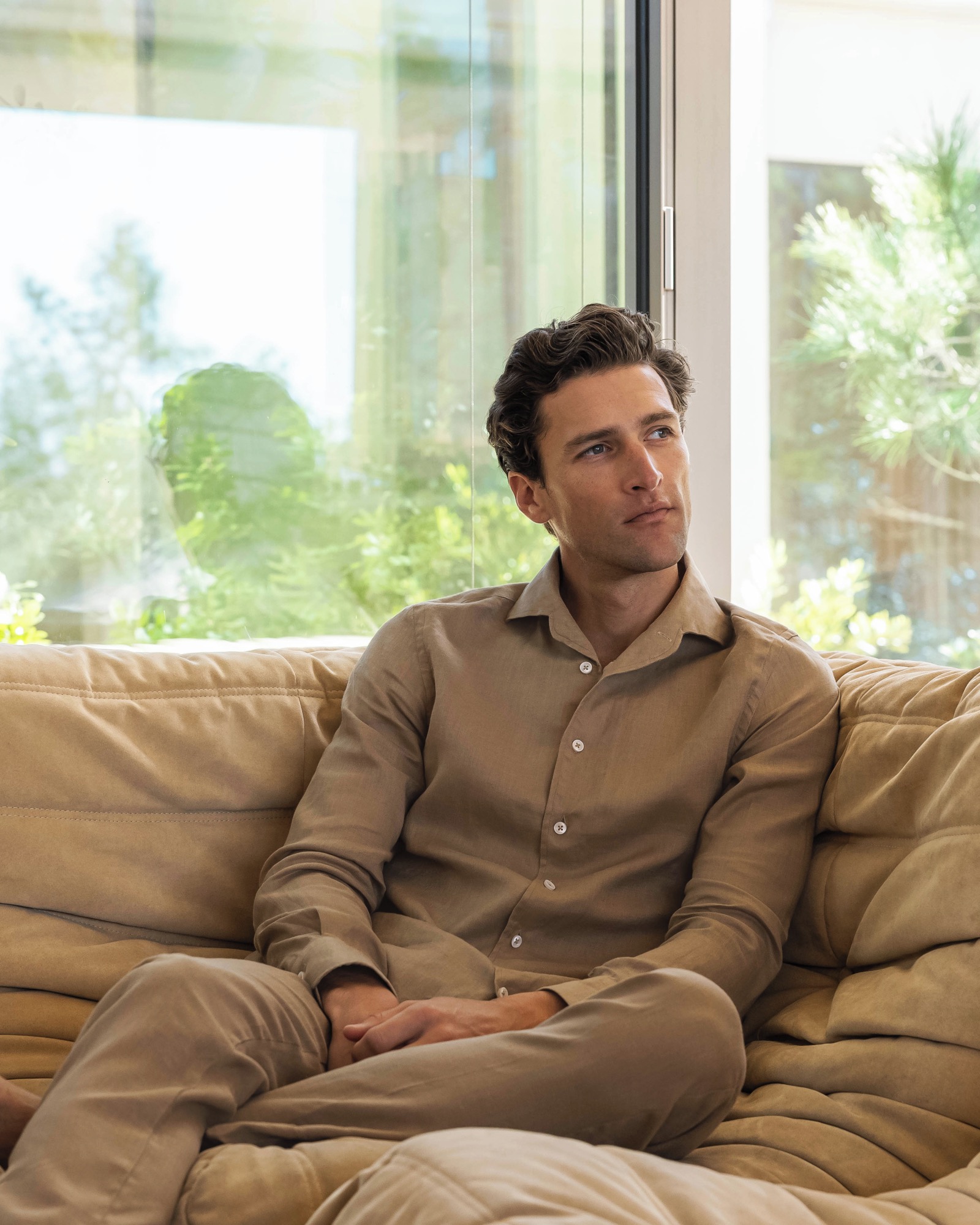
The joggers vs sweatpants debate might seem trivial, but understanding the distinction changes everything about how you dress casually. The difference isn’t just semantic—it fundamentally changes where you can wear them, how you style them, and whether you look intentional or sloppy. Here’s the core distinction that drives everything else: joggers have tapered legs with elastic cuffs at the ankles; sweatpants have straight legs with open bottoms.
That single design difference creates a cascade of implications for fabric, styling, and appropriate contexts. Both emerged from athletic wear, but they’ve evolved to serve different purposes in the modern wardrobe. The athleisure boom of the 2010s made both acceptable outside the gym, but understanding the sweatpants vs joggers difference helps you choose the right option for your lifestyle and look intentional rather than like you just rolled out of bed.
For context on how we arrived at this moment where athletic-inspired pants dominate casual wardrobes, check out our complete guide to athleisure brands.
| Feature | Joggers | Sweatpants |
|---|---|---|
| Leg Cut | Tapered, narrowing to ankle | Straight leg or slightly baggy |
| Ankle | Elastic cuffs | Open bottom (sometimes elastic) |
| Material Weight | Lightweight (200-280 GSM) | Heavyweight (280-400+ GSM) |
| Primary Fabric | Polyester blends, tech fabrics, light cotton | Fleece, heavy cotton, French terry |
| Original Purpose | Active performance | Warmth retention |
| Fit Philosophy | Form-fitting, modern silhouette | Relaxed, comfort-first |
| Best Season | Spring/Summer/Fall | Fall/Winter |
| Style Versatility | High (gym to street) | Medium (home to casual errands) |
| Typical Price Range | $30-120 | $20-80 |
This joggers vs sweatpants comparison highlights the core differences, but there’s nuance to each category worth exploring.
Before diving deeper into the joggers vs sweatpants debate, let’s clarify track pants—the often-confused third category in the track pants vs joggers vs sweatpants discussion.

Track pants were originally designed for track and field athletes to wear during warm-ups. They’re distinct from both joggers and sweatpants:
When comparing track pants vs sweatpants vs joggers, think of it this way:
Many brands blur these lines—you’ll see “track joggers” or “sweat joggers”—but understanding the core DNA of each helps you identify what you’re actually buying. For a comprehensive look at all three categories and specific product recommendations, see our guide to the best athleisure pants for men.
Understanding the sweatpants vs joggers difference requires looking at four key areas: fit, materials, design details, and evolution. These factors determine not just how they look, but where and how you can wear them.
Joggers feature a progressive taper from hip to ankle—this is their defining characteristic:
Sweatpants maintain a consistent width from hip to ankle:
Why this matters: The taper creates a tailored look that reads as “intentional style choice” rather than “I gave up on looking presentable.” The straight cut of sweatpants reads more casual, which isn’t inherently bad—it’s just a different aesthetic suited to different contexts.
Joggers use lighter, more technical fabrics designed for movement and temperature regulation:
Sweatpants prioritize warmth and comfort through substantial fabrics:
Joggers typically include functional design elements:
Sweatpants keep design simple and functional:
Joggers emerged from the athleisure movement as a modern hybrid:
Sweatpants have a much longer history:
For a deeper exploration of the various styles and cuts within just the joggers category, see our comprehensive guide to the 8 types of joggers for men.
The joggers vs sweatpants difference becomes most apparent when you consider specific real-world scenarios. Here’s when each option excels.
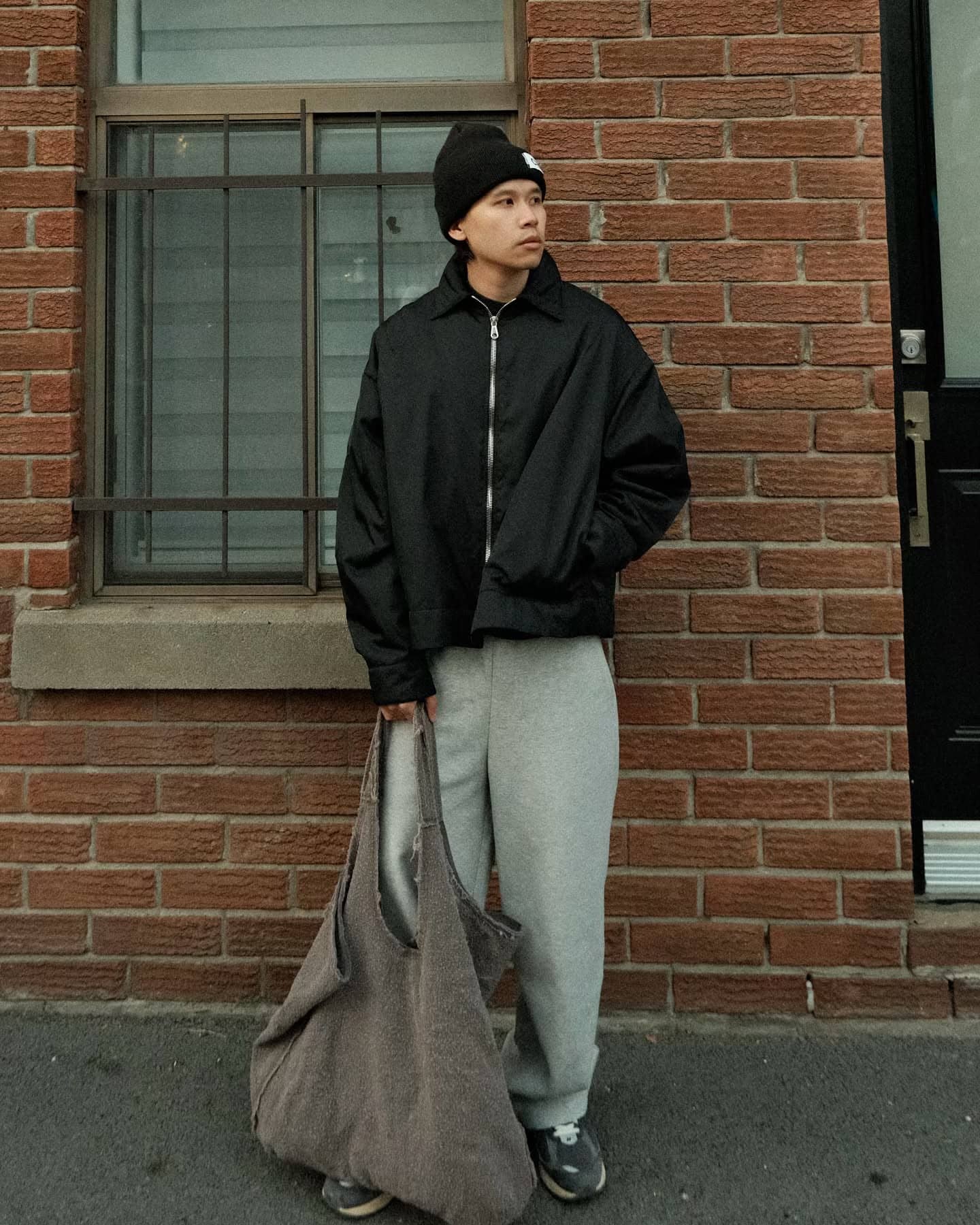
For specific styling approaches and outfit formulas, check out our guide on how to wear joggers without looking sloppy.

This is where most guys fail. Understanding the difference between joggers and sweatpants is one thing—wearing either without looking like you’ve given up on life is another. Here’s how to do it right.
Joggers are inherently relaxed on the bottom half, which means you need structure on top to create visual balance:
The ankle fit can make or break the entire look:
This is non-negotiable:
Safest bet: Monochrome outfits (black joggers + black tee + black jacket) always look intentional.
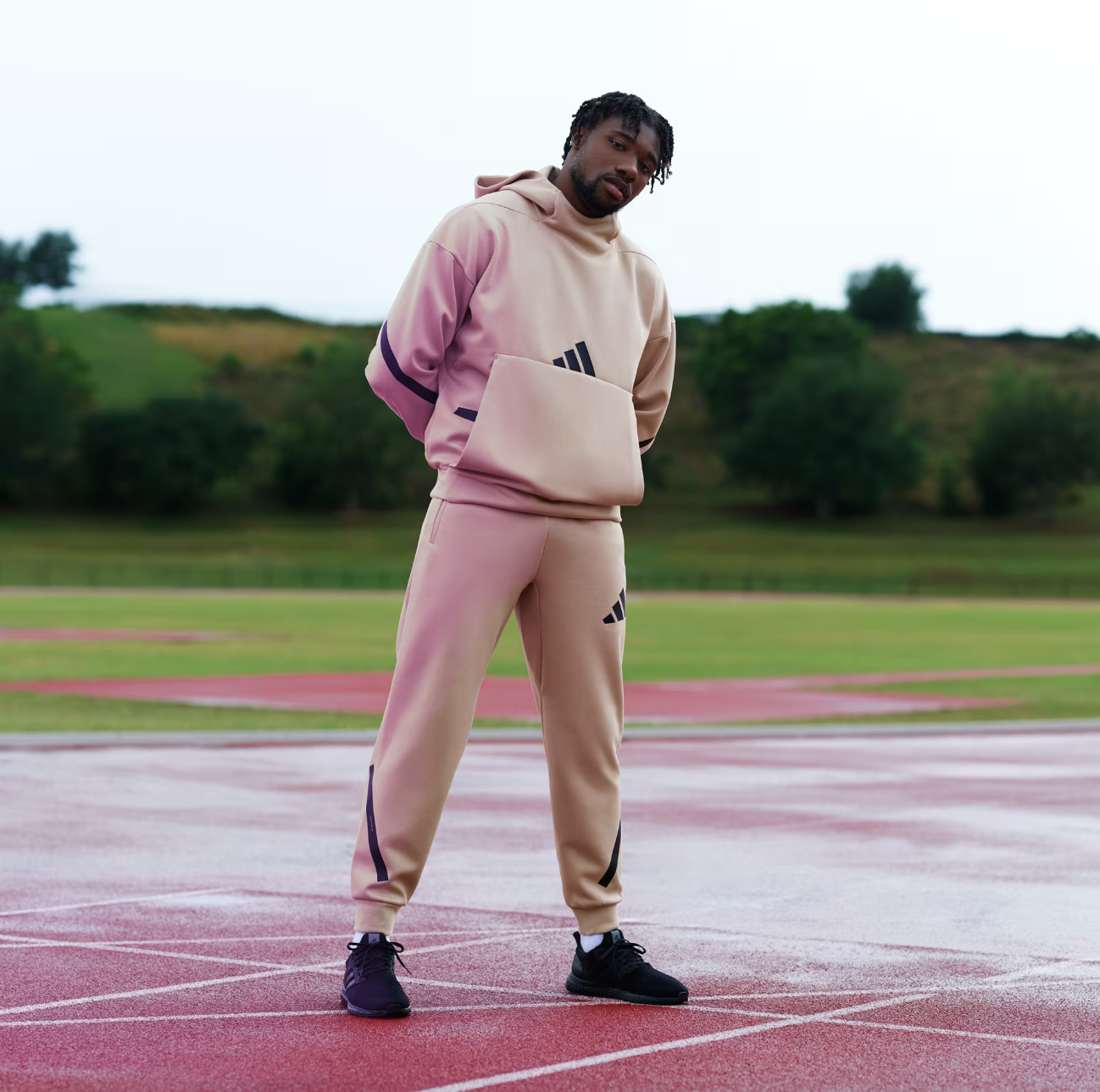
Baggy is acceptable with sweatpants, but there’s a difference between intentionally baggy and sloppy:
Sweatpants are inherently very casual, so your top needs to add polish:
Matching sets CAN work, but only if:
Know where sweatpants are acceptable:
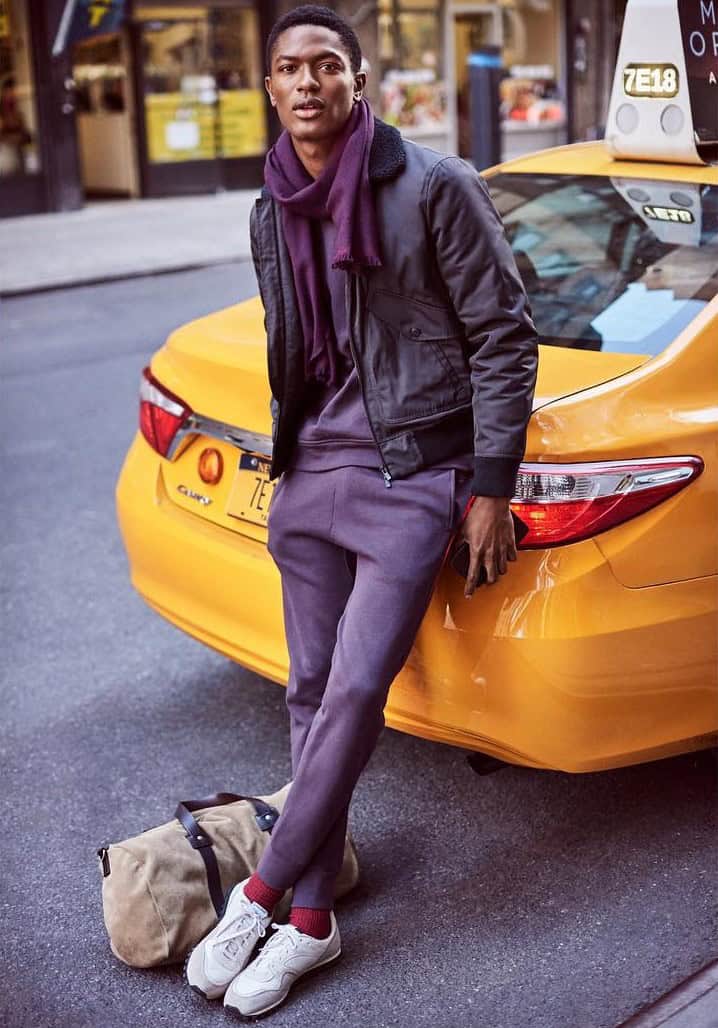

The joggers vs sweatpants difference matters more or less depending on your build. Here’s how to choose styles that flatter your specific frame.
Why this matters: Excess fabric overwhelms shorter frames and makes you look even shorter. Clean, tapered lines create the illusion of height.
Why this matters: Standard lengths are often too short on taller frames, which makes you look like you borrowed someone else’s pants. Our guide to joggers for tall men addresses this specific challenge.
Why this matters: Muscular legs need accommodation without looking overly tight or restrictive. Athletic builds can pull off fitted joggers better than most.
Why this matters: Comfort is the priority, but the right fit creates definition rather than looking shapeless.
Why this matters: Slim builds need structure and definition from the garment itself since the body doesn’t provide much shape.
Not all joggers are created equal, and the same goes for sweatpants. Here’s how to identify quality and understand what you’re paying for at different price points.
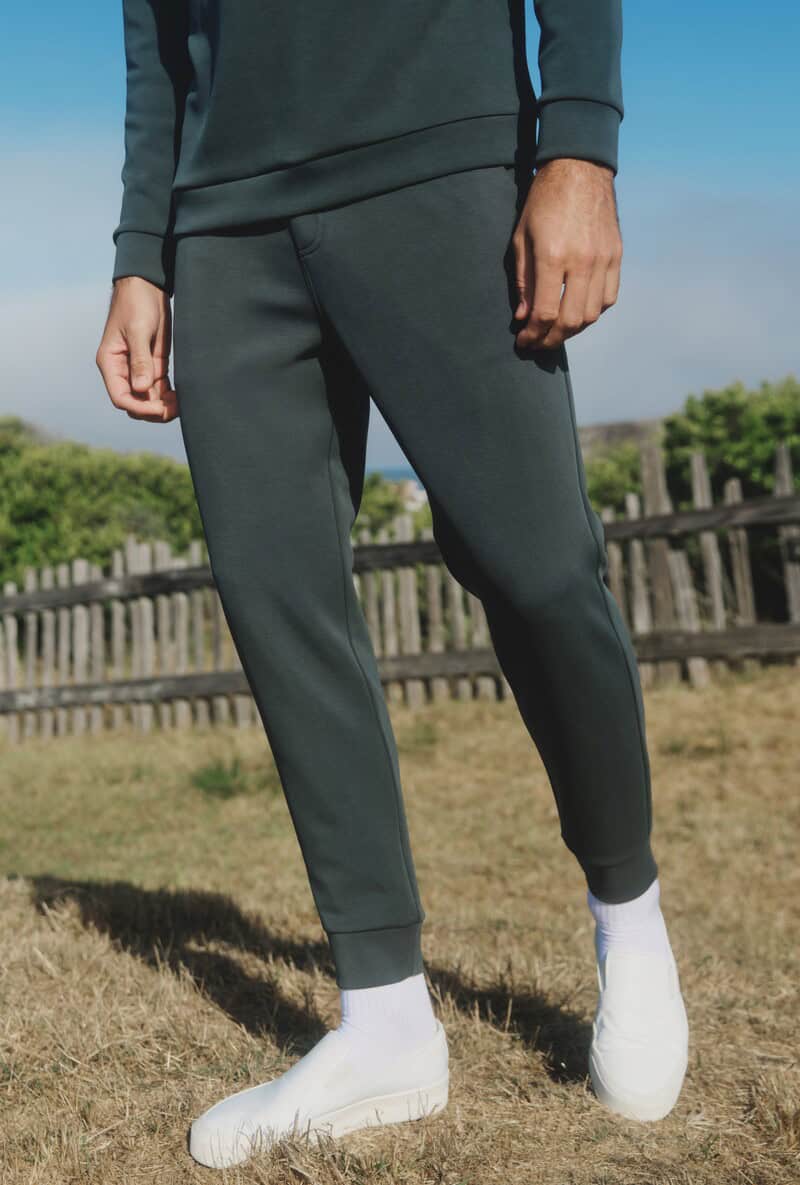
Good for: Home lounging, gym workouts, sleep, high-rotation basics you’ll replace often
Example brands: Amazon Essentials, Gildan, Hanes, Russell Athletic
Best for: Budget-conscious buyers, trying out the style before investing
Good for: Everyday wear, reliable basics, solid value for money
Example brands: Uniqlo, Everlane, Gap, Old Navy Premium, J.Crew Factory
Best for: Most people—this is the sweet spot for quality and value
Good for: Frequent wear, investment pieces, when you want to look genuinely put-together
Example brands: Reigning Champ, John Elliott, Outdoor Voices, Rhone, Lululemon, Public Rec
Best for: People who wear joggers/sweatpants regularly and want quality that lasts
Good for: Fashion enthusiasts, collectors, when you want the absolute best
Example brands: Fear of God Essentials, Aimé Leon Dore, Arc’teryx Veilance, Stone Island, Brunello Cucinelli
Best for: Those who prioritize fashion, have disposable income, or want a specific aesthetic
Watch out for these signs of poor quality:
For brand recommendations that deliver quality at each price tier, check out our guide to the 9 best athleisure brands for men.
Your shoe choice can make or break a joggers or sweatpants outfit. Here’s the definitive guide to what works and what doesn’t.
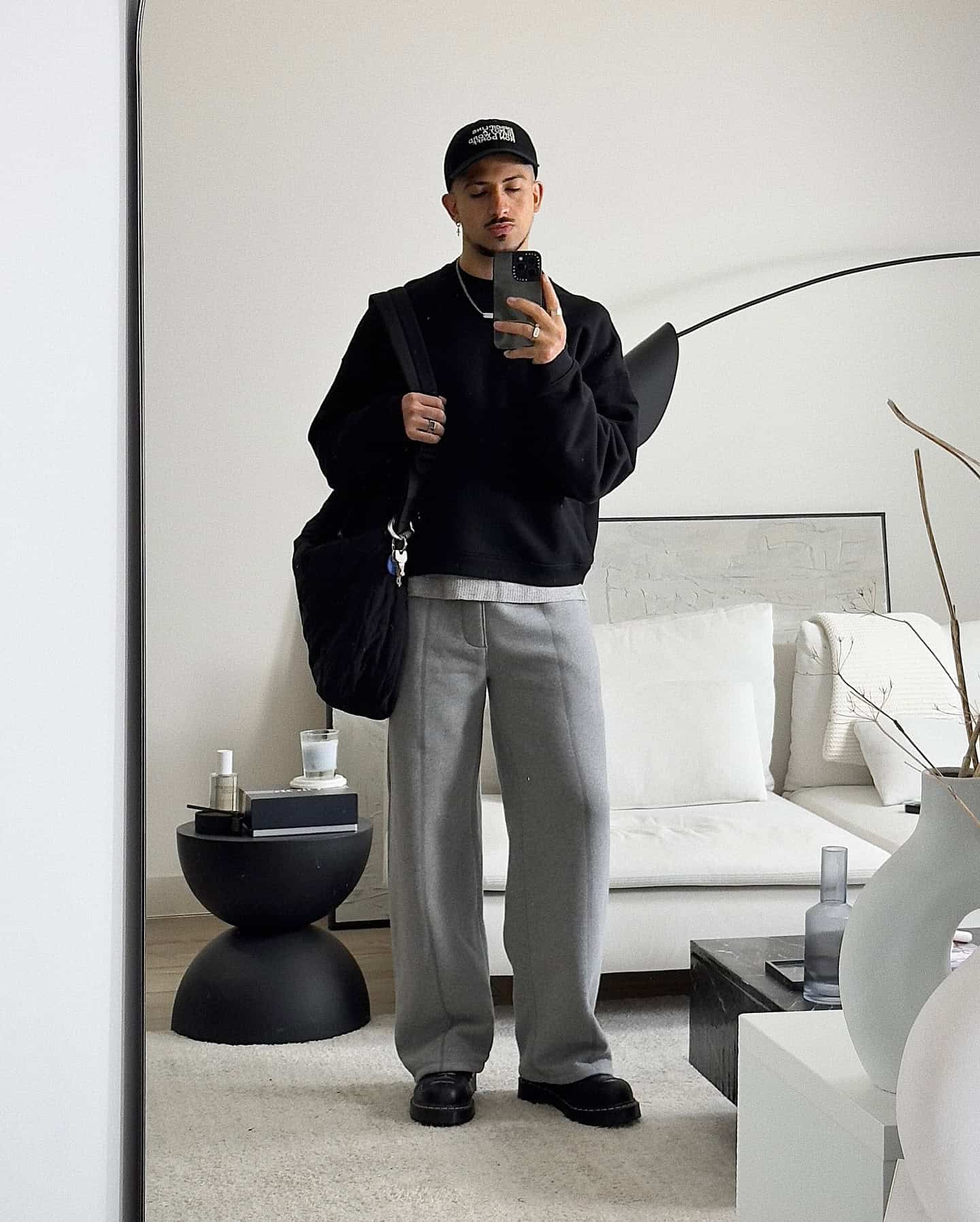
These shoes pair perfectly with joggers in virtually any context:
These can work but require the right styling and situation:
Proceed with caution—only if you know what you’re doing:
These combinations simply don’t work:
Let’s address the elephant in the room. Gray sweatpants became a cultural moment on social media, specifically referring to how lightweight, fitted gray sweatpants show the body’s silhouette more than darker colors.
For specific product recommendations that handle this issue well, see our guide to the 15 best grey sweatpants for guys.
The joggers vs sweatpants comparison shifts depending on the season. Here’s how to choose for different weather conditions.
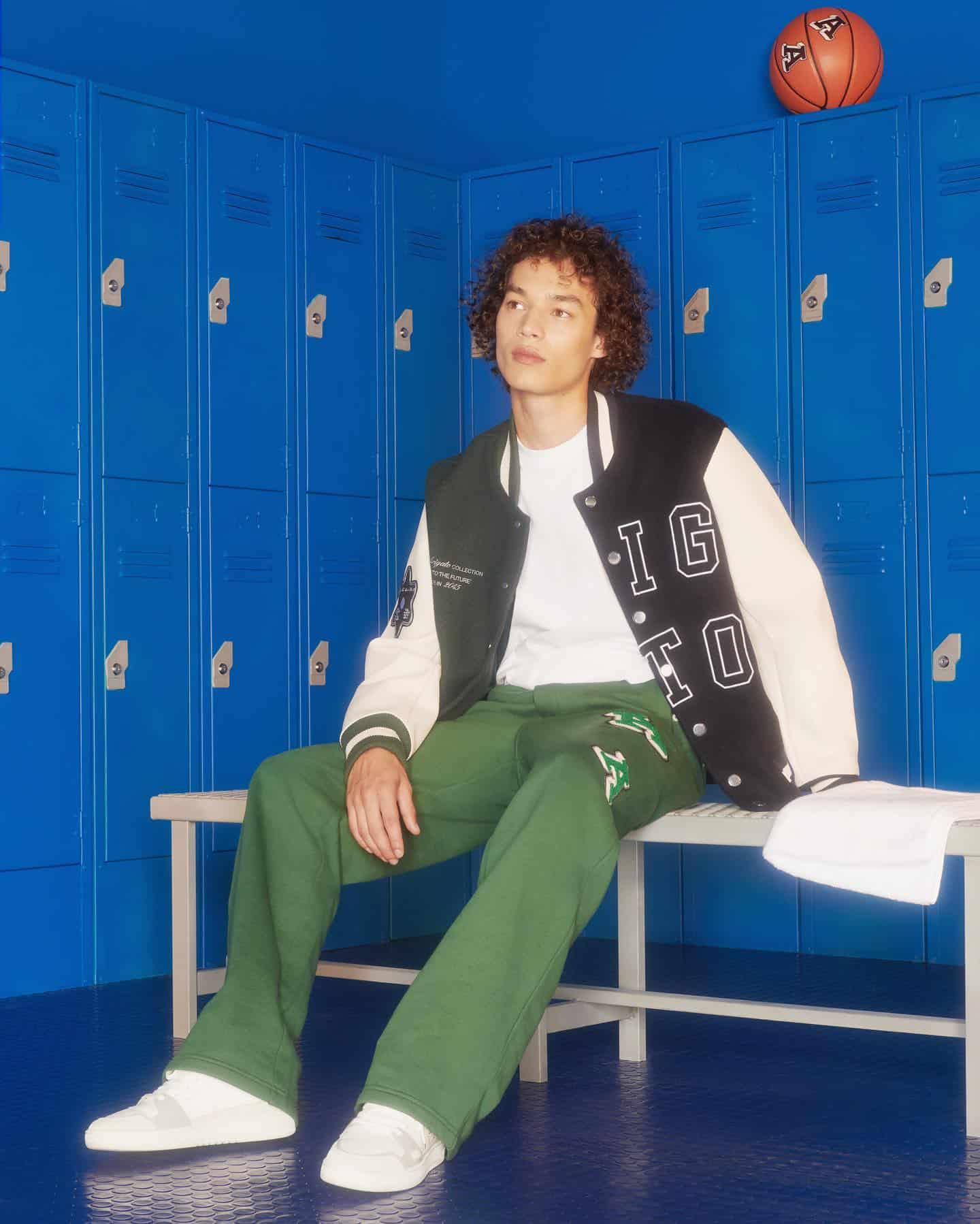
Best materials: Cotton/poly blends (60/40), nylon, quick-dry synthetic fabrics, lightweight French terry
Best colors: Light gray, khaki, olive, navy, stone—avoid black in heat
Pair with: Breathable tees, short-sleeve button-ups, lightweight bombers, unlined jackets
Fall joggers: Medium-weight French terry, brushed fleece interior
Winter joggers: Heavyweight fleece, thermal-lined options
Winter sweatpants: Heavyweight cotton fleece (350+ GSM), wool blends for premium options
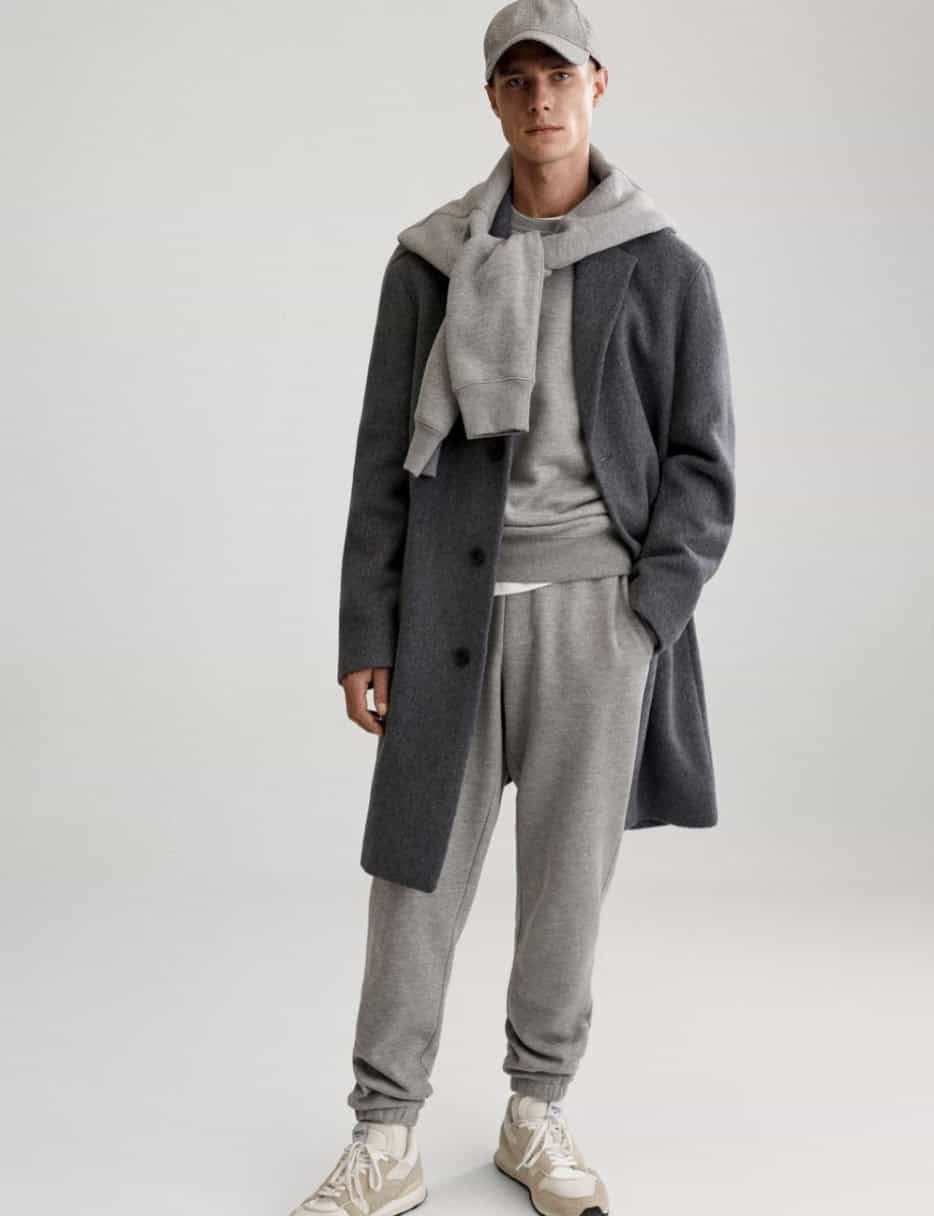
Proper care extends the life of both joggers and sweatpants significantly. Here’s how to maintain them.


Own both. Seriously, this isn’t a binary choice.
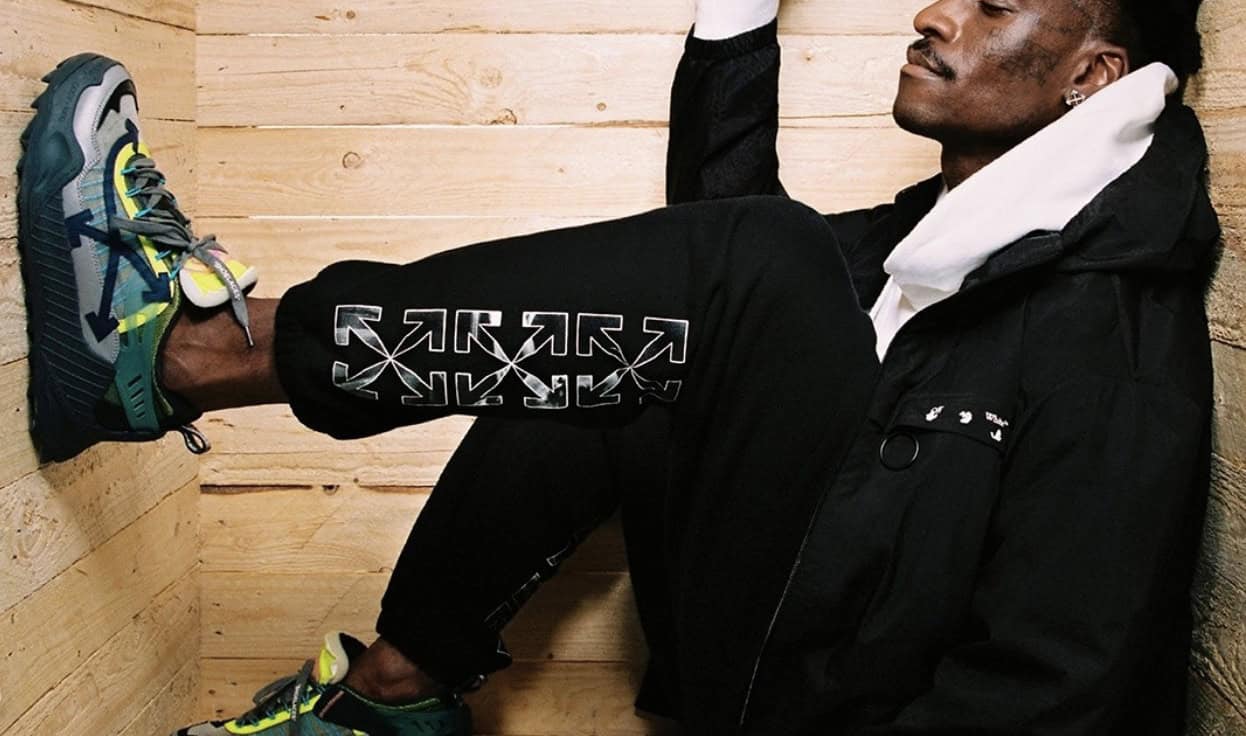
Understanding the joggers vs sweatpants difference isn’t about declaring a winner—it’s about having the right tool for each situation. Joggers dominate the modern athleisure landscape because they’re more versatile and appropriate for more contexts, but sweatpants still excel in their comfort-first lane.
The quality of either matters more than the category itself. A $120 pair of Reigning Champ sweatpants will outperform $40 joggers in every situation where sweatpants are appropriate. Conversely, well-made joggers can go places sweatpants simply cannot.
Investment strategy: Spend more on joggers since you’ll wear them more often and in more visible contexts. You can get away with cheaper sweatpants for home use, but if you’re wearing them in public, invest in quality.
Bottom line: Invest in quality pieces of both categories, understand their respective strengths, and wear them with confidence in the right contexts. Your casual wardrobe will be significantly better for it.
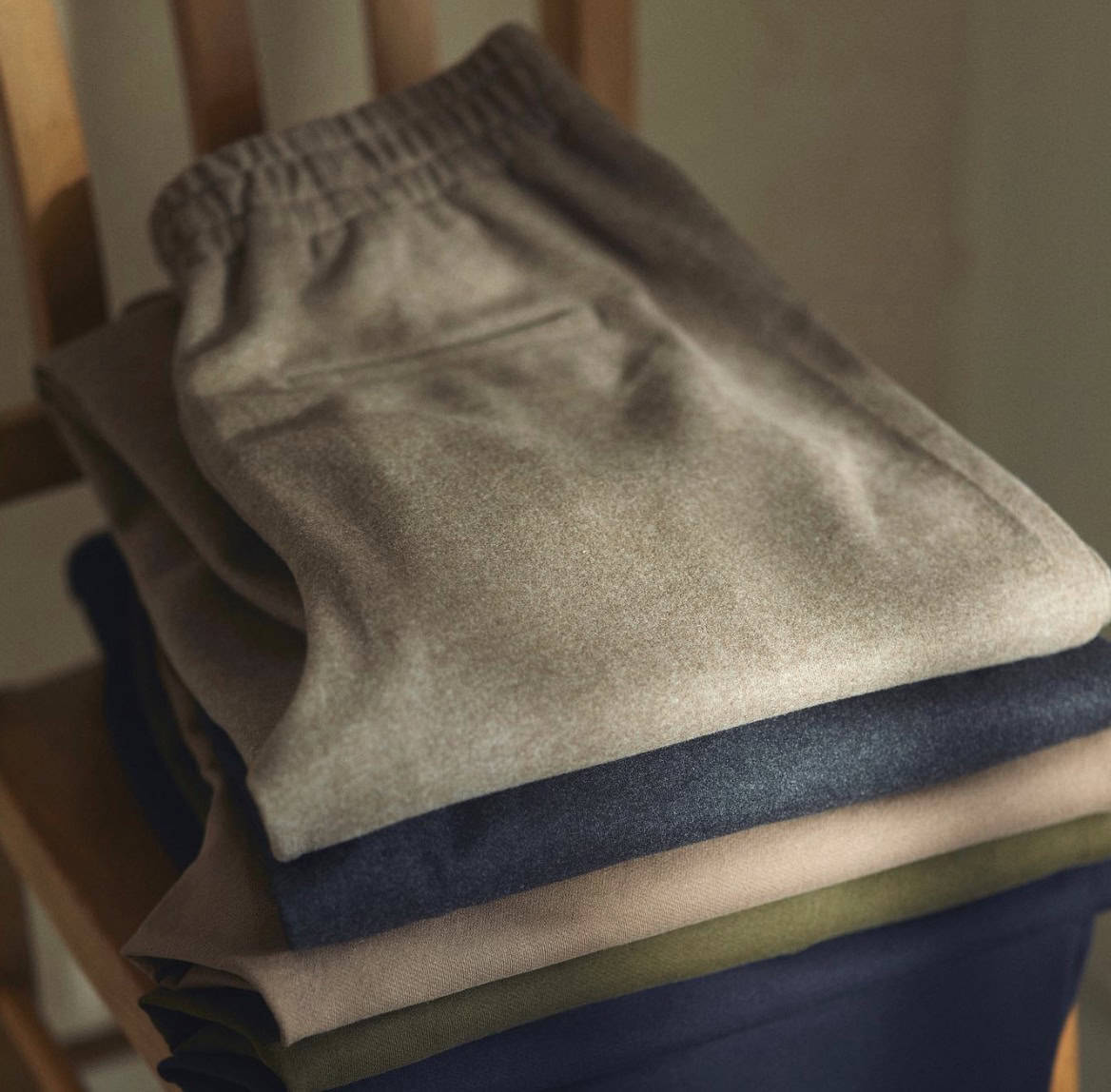
The distinction between joggers and sweatpants comes down to design philosophy: joggers prioritize versatility and modern style with their tapered silhouette, while sweatpants prioritize comfort and warmth with their relaxed fit. Both have earned legitimate places in the modern wardrobe, but they serve different purposes.
Whether you lean toward the modern versatility of joggers or the cozy comfort of sweatpants, the most important factors are fit, quality, and knowing when and how to wear each. Master these elements, and you’ll look intentional and put-together even in your most casual outfits.

The editorial team at FashionBeans is your trusted partner in redefining modern men’s style. Established in 2007, FashionBeans has evolved into a leading authority in men’s fashion, with millions of readers seeking practical advice, expert insights, and real-world inspiration for curating their wardrobe and lifestyle.
Our editorial team combines over 50 years of collective experience in fashion journalism, styling, and retail. Each editor brings specialized expertise—from luxury fashion and sustainable style to the latest grooming technology and fragrance science. With backgrounds ranging from GQ and Esquire to personal styling for celebrities, our team ensures every recommendation comes from a place of deep industry knowledge.
 03 February 2026
 FashionBeans Editors
We independently evaluate all recommended products and services. Any products or services put forward appear in no particular order. if you click on links we provide, we may receive compensation.
The fundamental difference: Joggers have tapered legs with elastic cuffs at the ankles, while sweatpants have straight legs with open (or sometimes elastic) bottoms. Joggers are made from lightweight, breathable fabrics designed for movement and style versatility—think gym to coffee shop. Sweatpants use heavier, warmer materials prioritizing comfort and insulation—ideal for lounging and cold weather.
Choose joggers when you want a modern, intentional look that works in semi-public settings. Choose sweatpants when comfort and warmth are your top priorities. Most men should own both: 2-3 pairs of joggers for 70% of casual situations, and 1-2 pairs of sweatpants for home and cold-weather use.
The joggers vs sweatpants debate might seem trivial, but understanding the distinction changes everything about how you dress casually. The difference isn’t just semantic—it fundamentally changes where you can wear them, how you style them, and whether you look intentional or sloppy. Here’s the core distinction that drives everything else: joggers have tapered legs with elastic cuffs at the ankles; sweatpants have straight legs with open bottoms.
That single design difference creates a cascade of implications for fabric, styling, and appropriate contexts. Both emerged from athletic wear, but they’ve evolved to serve different purposes in the modern wardrobe. The athleisure boom of the 2010s made both acceptable outside the gym, but understanding the sweatpants vs joggers difference helps you choose the right option for your lifestyle and look intentional rather than like you just rolled out of bed.
For context on how we arrived at this moment where athletic-inspired pants dominate casual wardrobes, check out our complete guide to athleisure brands.
| Feature | Joggers | Sweatpants |
|---|---|---|
| Leg Cut | Tapered, narrowing to ankle | Straight leg or slightly baggy |
| Ankle | Elastic cuffs | Open bottom (sometimes elastic) |
| Material Weight | Lightweight (200-280 GSM) | Heavyweight (280-400+ GSM) |
| Primary Fabric | Polyester blends, tech fabrics, light cotton | Fleece, heavy cotton, French terry |
| Original Purpose | Active performance | Warmth retention |
| Fit Philosophy | Form-fitting, modern silhouette | Relaxed, comfort-first |
| Best Season | Spring/Summer/Fall | Fall/Winter |
| Style Versatility | High (gym to street) | Medium (home to casual errands) |
| Typical Price Range | $30-120 | $20-80 |
This joggers vs sweatpants comparison highlights the core differences, but there’s nuance to each category worth exploring.
Before diving deeper into the joggers vs sweatpants debate, let’s clarify track pants—the often-confused third category in the track pants vs joggers vs sweatpants discussion.
Track pants were originally designed for track and field athletes to wear during warm-ups. They’re distinct from both joggers and sweatpants:
When comparing track pants vs sweatpants vs joggers, think of it this way:
Many brands blur these lines—you’ll see “track joggers” or “sweat joggers”—but understanding the core DNA of each helps you identify what you’re actually buying. For a comprehensive look at all three categories and specific product recommendations, see our guide to the best athleisure pants for men.
Understanding the sweatpants vs joggers difference requires looking at four key areas: fit, materials, design details, and evolution. These factors determine not just how they look, but where and how you can wear them.
Joggers feature a progressive taper from hip to ankle—this is their defining characteristic:
Sweatpants maintain a consistent width from hip to ankle:
Why this matters: The taper creates a tailored look that reads as “intentional style choice” rather than “I gave up on looking presentable.” The straight cut of sweatpants reads more casual, which isn’t inherently bad—it’s just a different aesthetic suited to different contexts.
Joggers use lighter, more technical fabrics designed for movement and temperature regulation:
Sweatpants prioritize warmth and comfort through substantial fabrics:
Joggers typically include functional design elements:
Sweatpants keep design simple and functional:
Joggers emerged from the athleisure movement as a modern hybrid:
Sweatpants have a much longer history:
For a deeper exploration of the various styles and cuts within just the joggers category, see our comprehensive guide to the 8 types of joggers for men.
The joggers vs sweatpants difference becomes most apparent when you consider specific real-world scenarios. Here’s when each option excels.
For specific styling approaches and outfit formulas, check out our guide on how to wear joggers without looking sloppy.
This is where most guys fail. Understanding the difference between joggers and sweatpants is one thing—wearing either without looking like you’ve given up on life is another. Here’s how to do it right.
Joggers are inherently relaxed on the bottom half, which means you need structure on top to create visual balance:
The ankle fit can make or break the entire look:
This is non-negotiable:
Safest bet: Monochrome outfits (black joggers + black tee + black jacket) always look intentional.
Baggy is acceptable with sweatpants, but there’s a difference between intentionally baggy and sloppy:
Sweatpants are inherently very casual, so your top needs to add polish:
Matching sets CAN work, but only if:
Know where sweatpants are acceptable:
The joggers vs sweatpants difference matters more or less depending on your build. Here’s how to choose styles that flatter your specific frame.
Why this matters: Excess fabric overwhelms shorter frames and makes you look even shorter. Clean, tapered lines create the illusion of height.
Why this matters: Standard lengths are often too short on taller frames, which makes you look like you borrowed someone else’s pants. Our guide to joggers for tall men addresses this specific challenge.
Why this matters: Muscular legs need accommodation without looking overly tight or restrictive. Athletic builds can pull off fitted joggers better than most.
Why this matters: Comfort is the priority, but the right fit creates definition rather than looking shapeless.
Why this matters: Slim builds need structure and definition from the garment itself since the body doesn’t provide much shape.
Not all joggers are created equal, and the same goes for sweatpants. Here’s how to identify quality and understand what you’re paying for at different price points.
Good for: Home lounging, gym workouts, sleep, high-rotation basics you’ll replace often
Example brands: Amazon Essentials, Gildan, Hanes, Russell Athletic
Best for: Budget-conscious buyers, trying out the style before investing
Good for: Everyday wear, reliable basics, solid value for money
Example brands: Uniqlo, Everlane, Gap, Old Navy Premium, J.Crew Factory
Best for: Most people—this is the sweet spot for quality and value
Good for: Frequent wear, investment pieces, when you want to look genuinely put-together
Example brands: Reigning Champ, John Elliott, Outdoor Voices, Rhone, Lululemon, Public Rec
Best for: People who wear joggers/sweatpants regularly and want quality that lasts
Good for: Fashion enthusiasts, collectors, when you want the absolute best
Example brands: Fear of God Essentials, Aimé Leon Dore, Arc’teryx Veilance, Stone Island, Brunello Cucinelli
Best for: Those who prioritize fashion, have disposable income, or want a specific aesthetic
Watch out for these signs of poor quality:
For brand recommendations that deliver quality at each price tier, check out our guide to the 9 best athleisure brands for men.
Your shoe choice can make or break a joggers or sweatpants outfit. Here’s the definitive guide to what works and what doesn’t.
These shoes pair perfectly with joggers in virtually any context:
These can work but require the right styling and situation:
Proceed with caution—only if you know what you’re doing:
These combinations simply don’t work:
Let’s address the elephant in the room. Gray sweatpants became a cultural moment on social media, specifically referring to how lightweight, fitted gray sweatpants show the body’s silhouette more than darker colors.
For specific product recommendations that handle this issue well, see our guide to the 15 best grey sweatpants for guys.
The joggers vs sweatpants comparison shifts depending on the season. Here’s how to choose for different weather conditions.
Best materials: Cotton/poly blends (60/40), nylon, quick-dry synthetic fabrics, lightweight French terry
Best colors: Light gray, khaki, olive, navy, stone—avoid black in heat
Pair with: Breathable tees, short-sleeve button-ups, lightweight bombers, unlined jackets
Fall joggers: Medium-weight French terry, brushed fleece interior
Winter joggers: Heavyweight fleece, thermal-lined options
Winter sweatpants: Heavyweight cotton fleece (350+ GSM), wool blends for premium options
Proper care extends the life of both joggers and sweatpants significantly. Here’s how to maintain them.
Own both. Seriously, this isn’t a binary choice.
Understanding the joggers vs sweatpants difference isn’t about declaring a winner—it’s about having the right tool for each situation. Joggers dominate the modern athleisure landscape because they’re more versatile and appropriate for more contexts, but sweatpants still excel in their comfort-first lane.
The quality of either matters more than the category itself. A $120 pair of Reigning Champ sweatpants will outperform $40 joggers in every situation where sweatpants are appropriate. Conversely, well-made joggers can go places sweatpants simply cannot.
Investment strategy: Spend more on joggers since you’ll wear them more often and in more visible contexts. You can get away with cheaper sweatpants for home use, but if you’re wearing them in public, invest in quality.
Bottom line: Invest in quality pieces of both categories, understand their respective strengths, and wear them with confidence in the right contexts. Your casual wardrobe will be significantly better for it.
The distinction between joggers and sweatpants comes down to design philosophy: joggers prioritize versatility and modern style with their tapered silhouette, while sweatpants prioritize comfort and warmth with their relaxed fit. Both have earned legitimate places in the modern wardrobe, but they serve different purposes.
Whether you lean toward the modern versatility of joggers or the cozy comfort of sweatpants, the most important factors are fit, quality, and knowing when and how to wear each. Master these elements, and you’ll look intentional and put-together even in your most casual outfits.
The editorial team at FashionBeans is your trusted partner in redefining modern men’s style. Established in 2007, FashionBeans has evolved into a leading authority in men’s fashion, with millions of readers seeking practical advice, expert insights, and real-world inspiration for curating their wardrobe and lifestyle.
Our editorial team combines over 50 years of collective experience in fashion journalism, styling, and retail. Each editor brings specialized expertise—from luxury fashion and sustainable style to the latest grooming technology and fragrance science. With backgrounds ranging from GQ and Esquire to personal styling for celebrities, our team ensures every recommendation comes from a place of deep industry knowledge.

Get the latest Men's Style Advice, Evergreen Guides, Shopping Tips, and Exclusive Deals From Today's Top Brands.
We respect your privacy. We won't spam you.
Get the latest Men's Style Advice, Evergreen Guides, Shopping Tips, and Exclusive Deals From Today's Top Brands.
We respect your privacy. We won't spam you.
