


Get On The List
Get the latest Men's Style Advice, Evergreen Guides, Shopping Tips, and Exclusive Deals From Today's Top Brands.
 07 January 2026
 FashionBeans Editors
We independently evaluate all recommended products and services. Any products or services put forward appear in no particular order. if you click on links we provide, we may receive compensation.
Shoppers often group Levi’s 511, 512, and 513 together because the names fall under the “slim” category, but the patterns tell a different story. The 511 uses a slim straight leg, the 512 adds a sharper taper, and the 513 opens up the hem. Rise height, seat depth, and thigh width also vary in ways most product pages never explain.
Here, the goal is clarity. We focus on the top block first since that determines comfort and stability, then move to leg geometry, stretch behavior, and body-type suitability. The result is a straightforward guide that shows exactly how each fit is cut, where the differences sit in the pattern, and how those differences affect the way the jeans wear over time.
Use this table as a quick reference before we dive into the details. Measurements are typical patterns for men’s jeans in the 30–32″ waist range, but can vary slightly by wash and fabric.
| Model | Fit Name | Rise | Seat & Thigh Ease | Leg Shape | Knee (Flat) | Leg Opening (Flat) | Where It Sits | Stretch? | Best For |
|---|---|---|---|---|---|---|---|---|---|
| 511 | Slim | Low–mid rise | Trim through seat and thigh | Slim from hip to hem | Moderately narrow | Narrow, but not skinny | Below the waist | Rigid, stretch & advanced stretch options | Slim to average builds, narrow thighs, everyday slim jean |
| 512 | Slim Taper | Low–mid rise | Similar top block to 511, sometimes a touch more thigh | Slim through thigh, sharper taper from knee down | Similar to 511 | More narrow than 511 | Below the waist | Mostly stretch or advanced stretch | Slim/average builds, narrow ankle, modern tapered look |
| 513 | Slim Straight | Low–mid rise | Slim but slightly more forgiving in the thigh | Slim through thigh, straight from knee to hem | Similar or marginally wider than 511/512 | Wider than 511/512 | Below the waist | Rigid and stretch options | Average to slightly athletic builds, chunkier footwear, straighter leg line |
In our denim language, the top block is where the fit lives. If the waist, rise, seat and thigh do not work on your body, the leg shape will not save the jeans.
All three of these Levi’s fits sit just below the waist with a low–mid rise, but they handle thigh room differently.
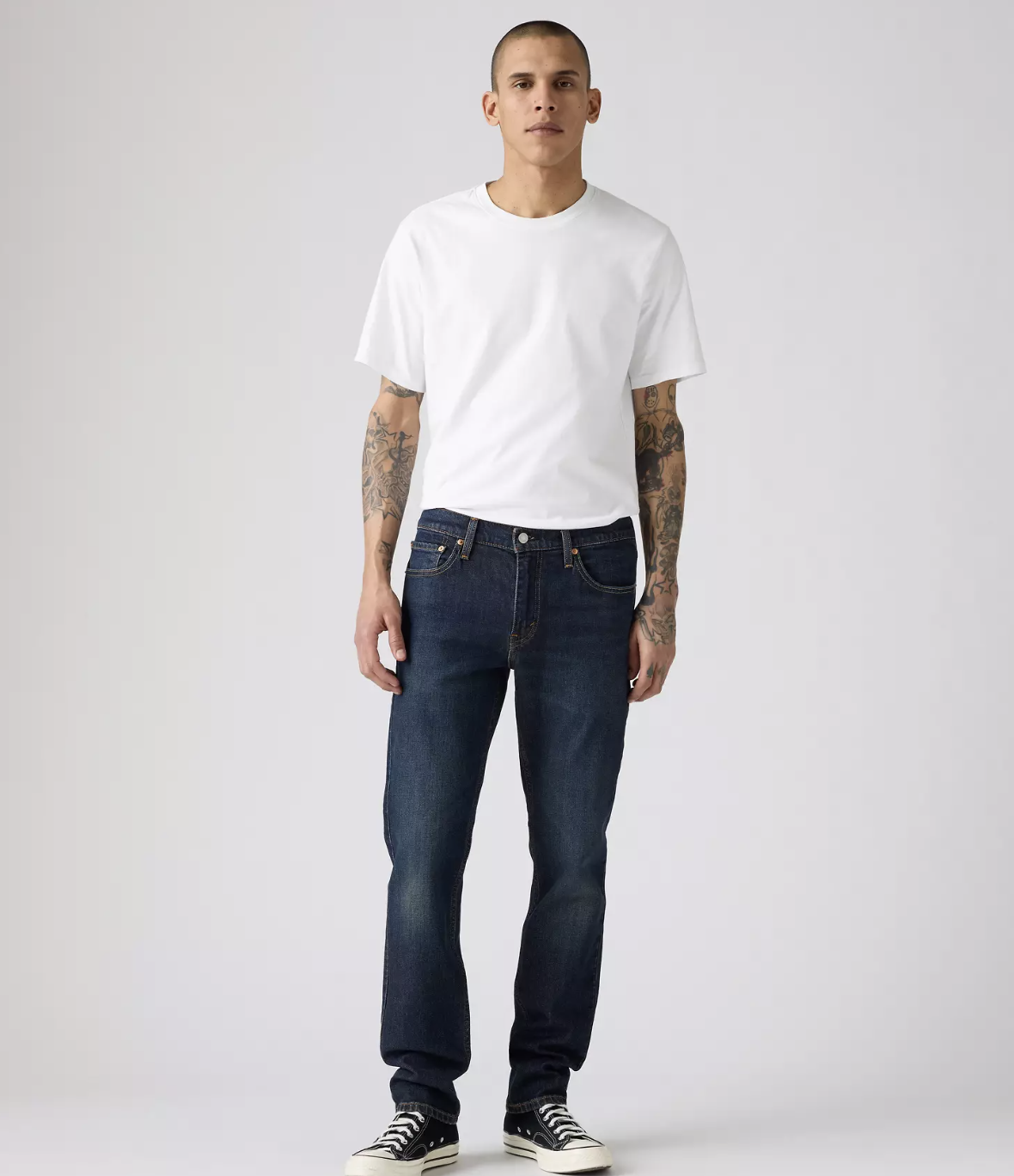
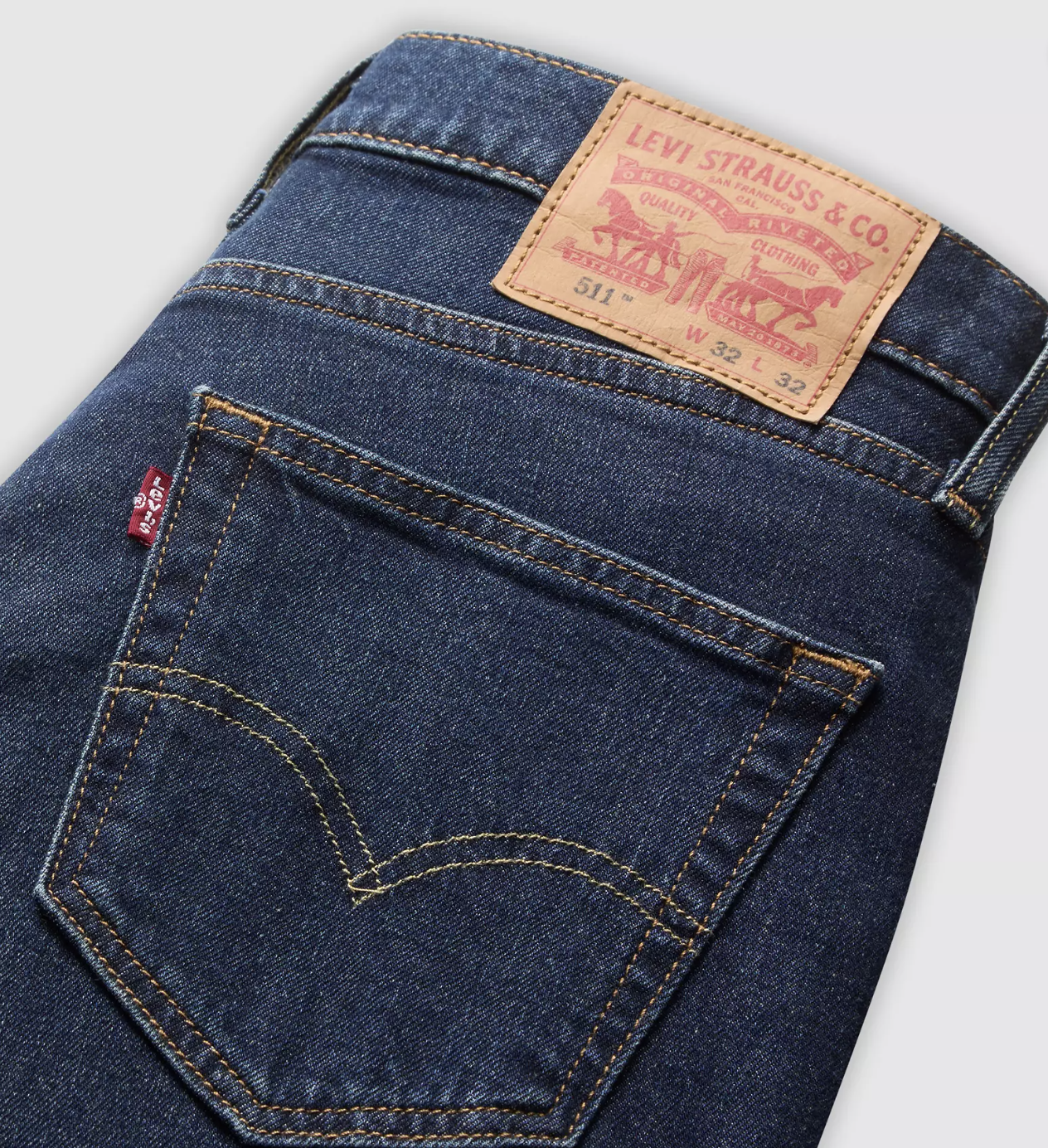
The 511 is cut as a classic slim. In most washes, the waist is true to tag, the seat is close without being sprayed on, and the thigh is trim. On slimmer and average builds, the 511 gives a clean line through the top block without obvious pulling across the front rise or the back yoke when you stand naturally.
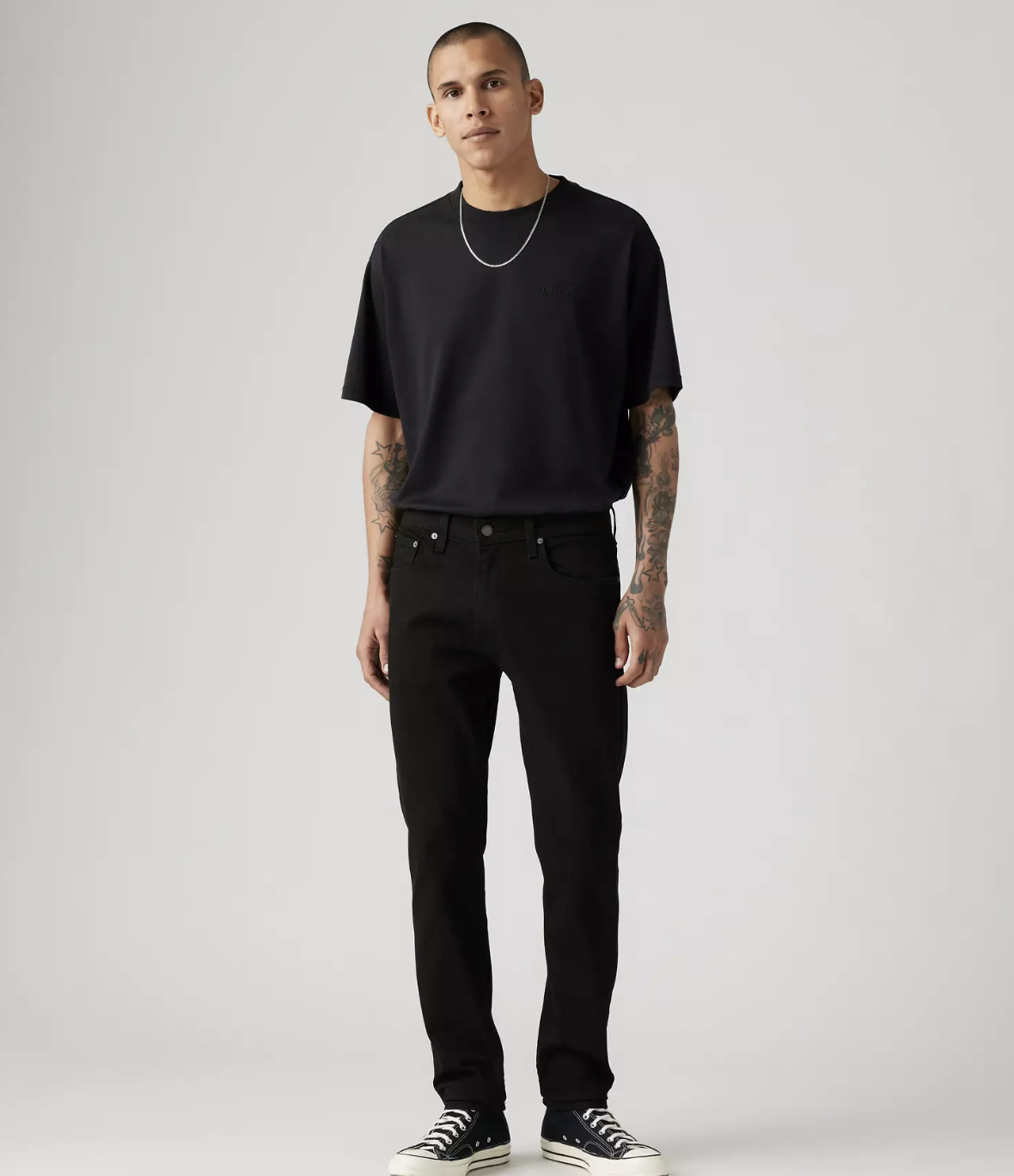
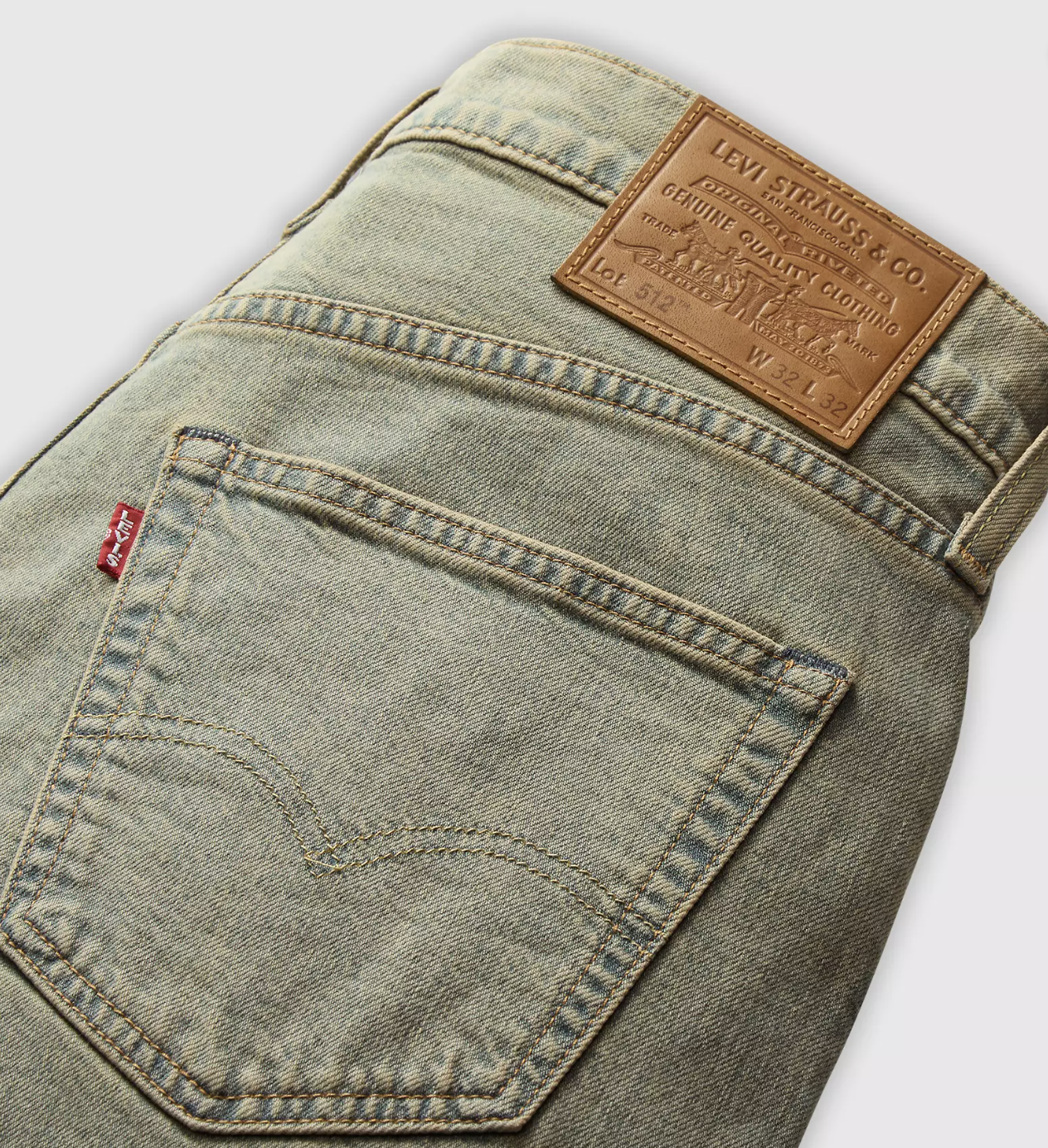
The 512 shares a similar top-block idea with the 511: slim, not skinny. In many size runs, the pattern gives a hair more room in the thigh to keep the jean wearable once the aggressive taper kicks in. On the body, the upper half should feel comparable to a 511 of the same size if you have slimmer legs; thicker thighs will feel the 512 clamp more around mid-thigh than the 513.
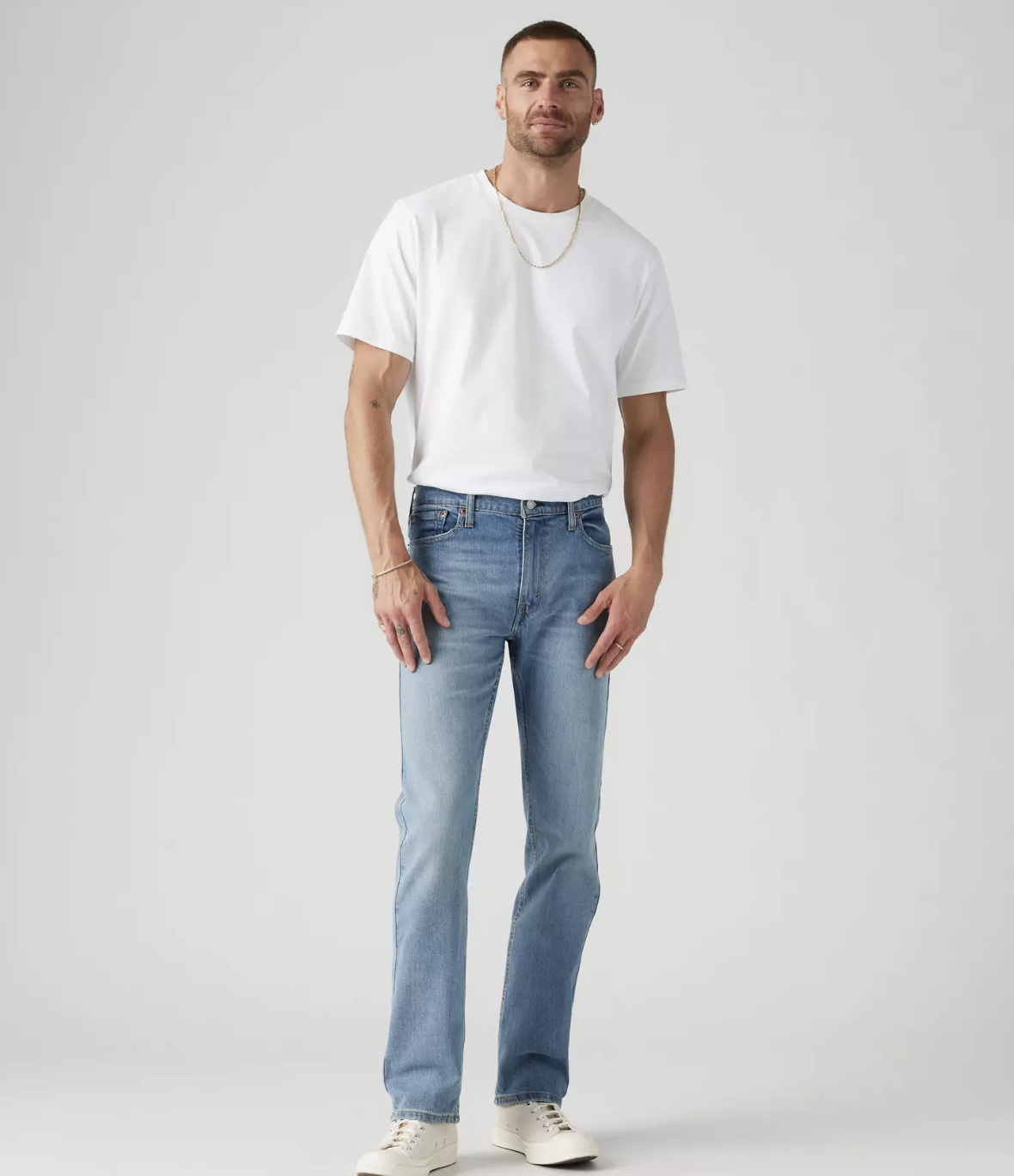
The 513 is a slim straight, which in Levi’s terms means “slim in the seat and thigh, but straighter from the knee down.” Because of that straight drop, the pattern usually allows a fraction more ease in the thigh and knee. On average or slightly athletic legs, this is the one that pinches the least when you sit or climb stairs.
If you ever feel torn between two sizes in any of these fits, work from the top block, not the ankle. Choose the waist that gives a flat front, no gaping at the back, and no hard horizontal stress lines across the thighs. Once that is dialed in, you can decide if you prefer the straighter 513 leg, the even 511, or the sharper taper of the 512.
Once the top block works, leg architecture decides how the jean reads from the knee down. Here is how the three fits differ from the knee to the hem.
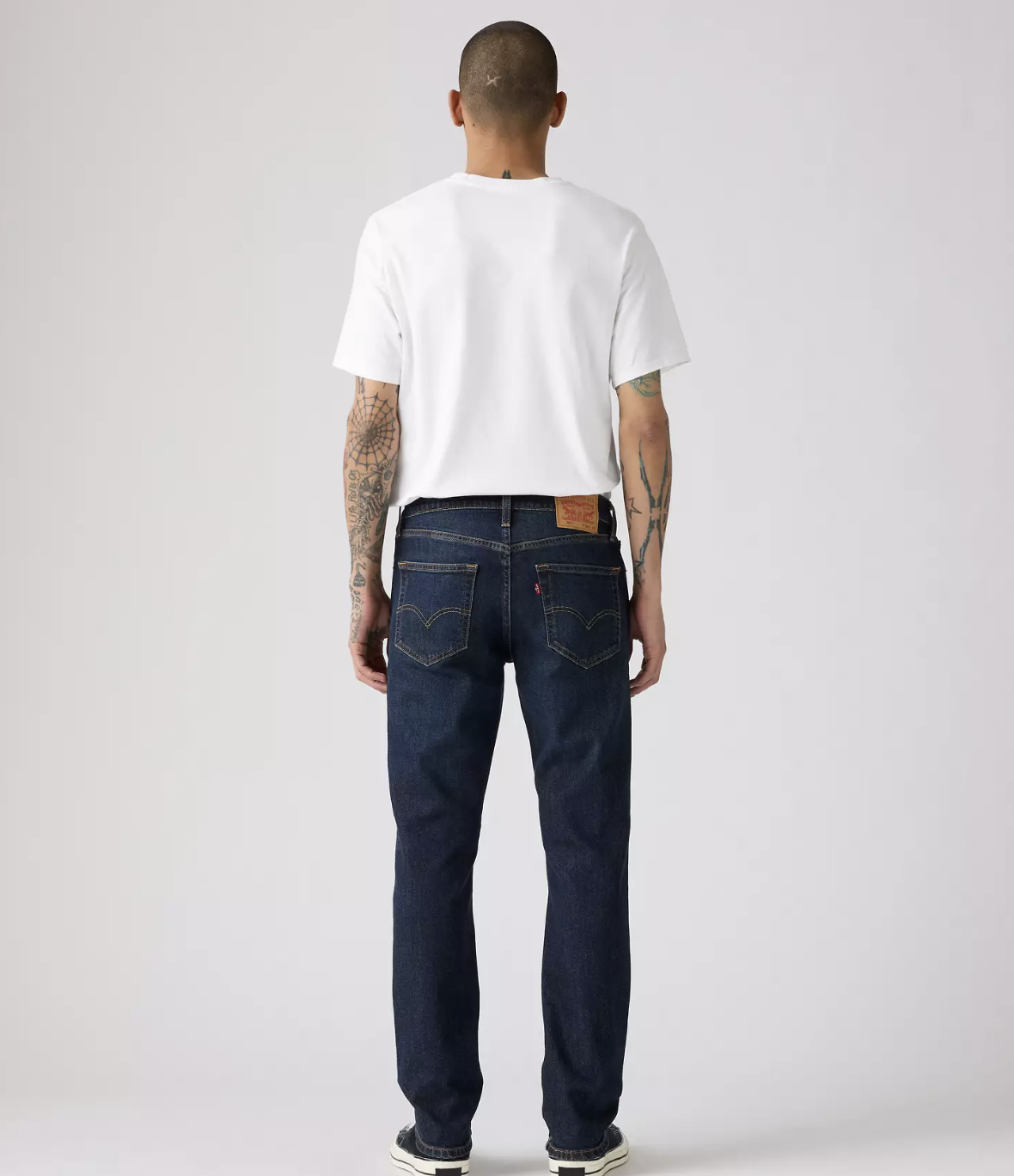
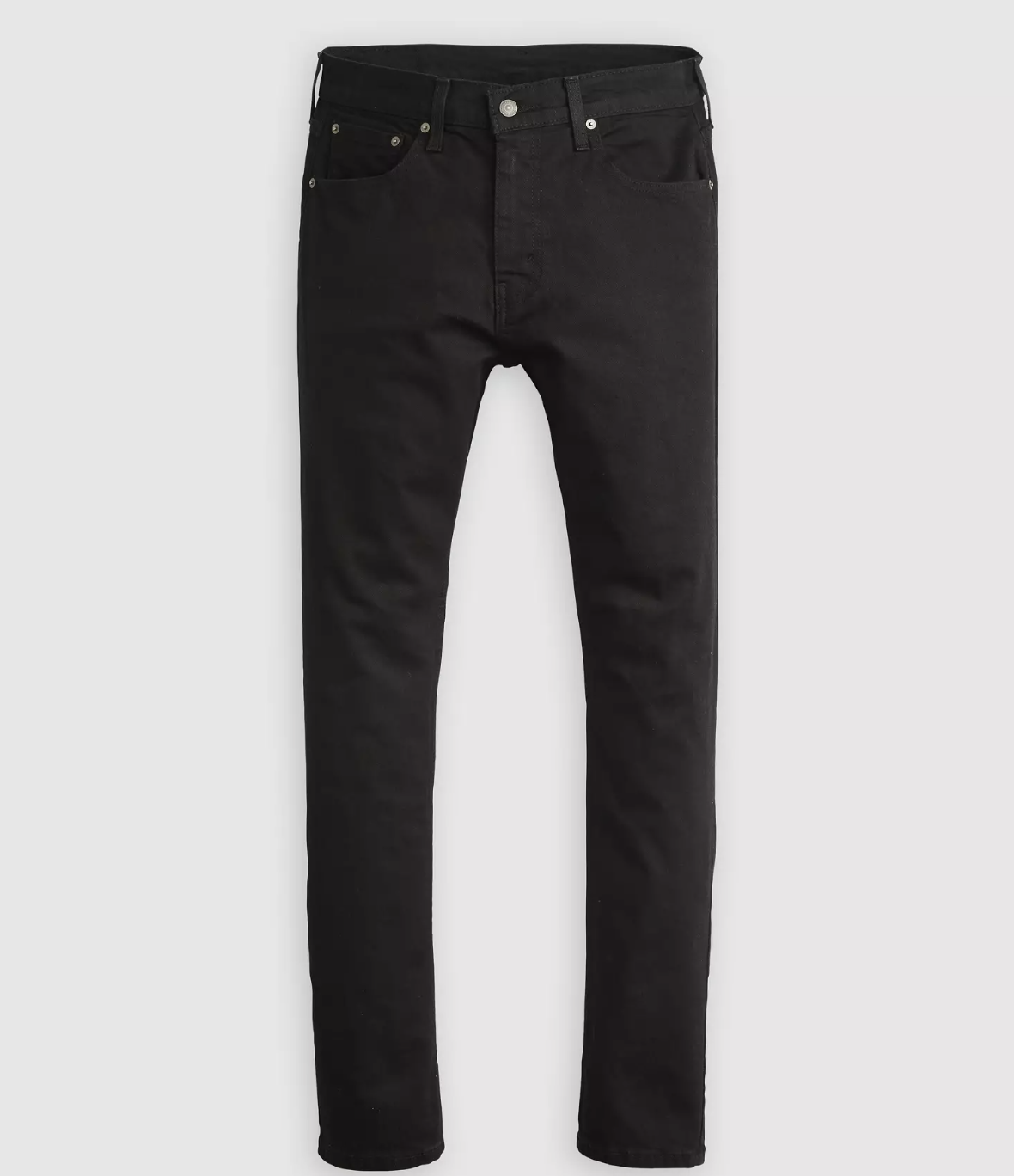
The 511 keeps a consistent slim profile from thigh to ankle. The knee and leg opening are both narrow, but not as aggressive as a skinny fit. On the body, the 511 hugs the leg lightly and pools less around the ankle if you choose a sensible inseam.
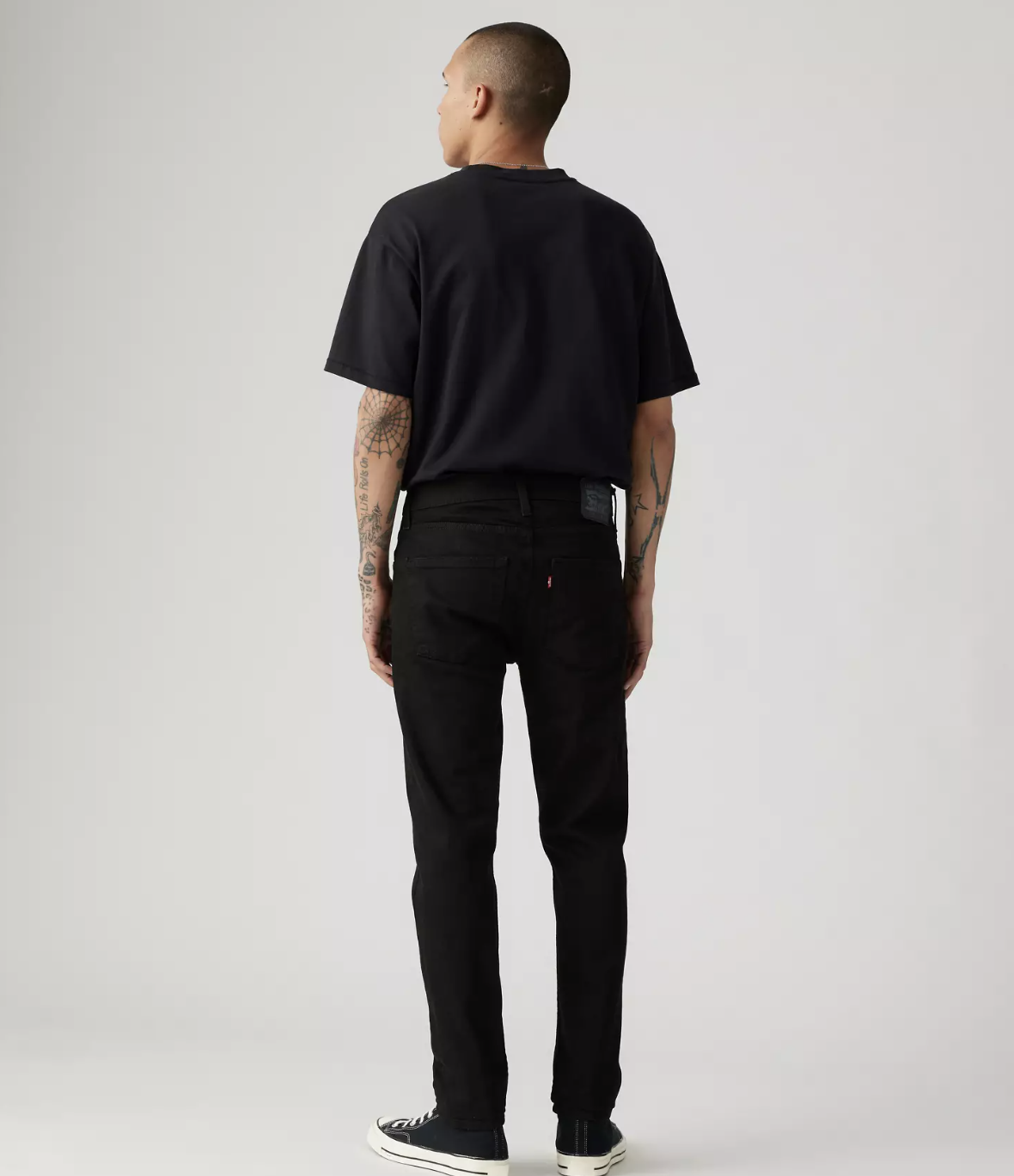
The 512 keeps a similar thigh to the 511 but narrows more from the knee down. The taper creates a more defined ankle and makes the leg opening sit closer to the shoe. This reads as a modern tapered silhouette without crossing into painted-on territory if you size the waist correctly.
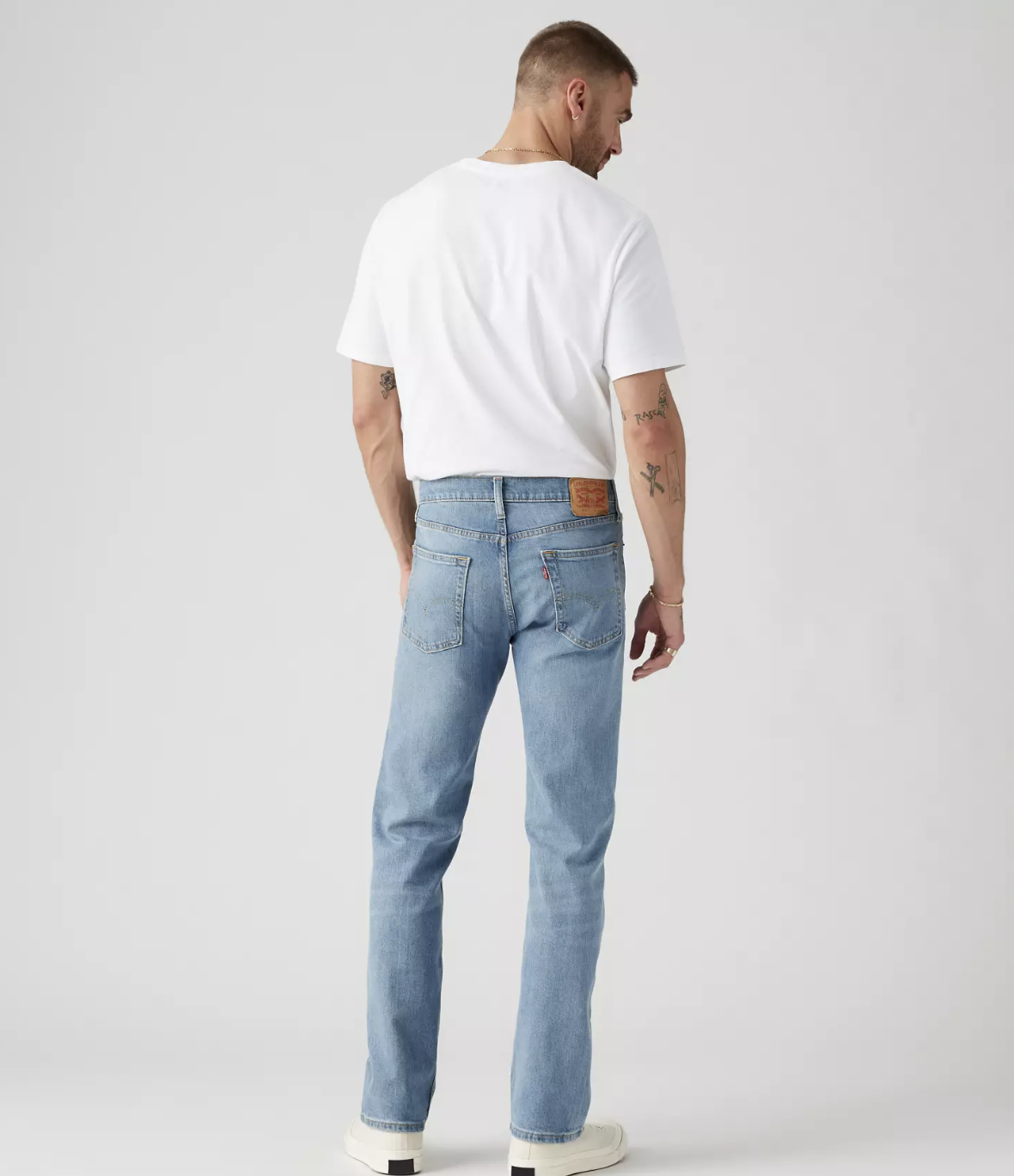
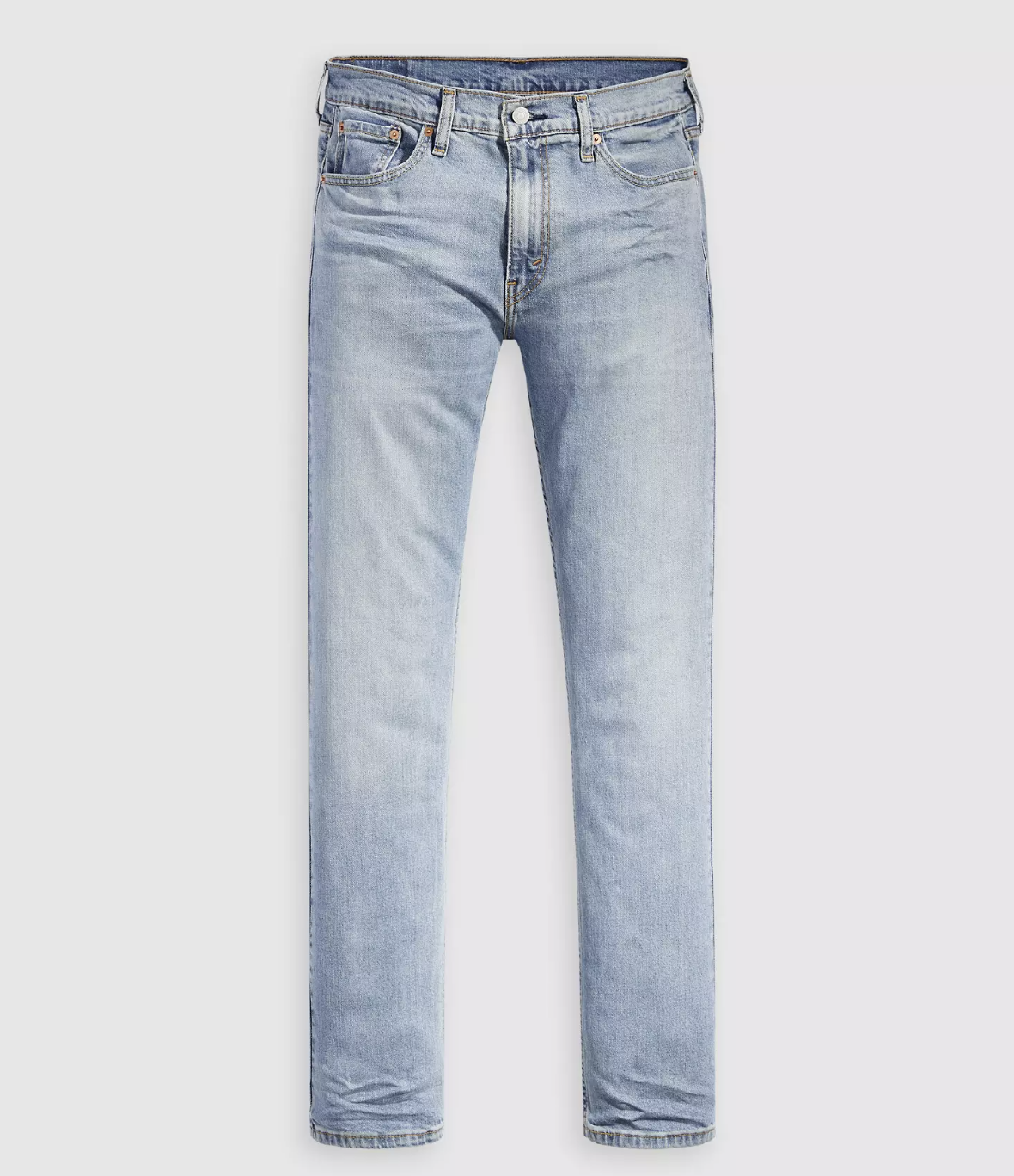
The 513 narrows from the thigh to the knee but then drops more straight to the hem. The leg opening is wider than both the 511 and 512. That extra space around the ankle makes it more forgiving over higher-tongue sneakers or chunkier boots.
All three fits sit below the natural waist with a low–mid rise, but small changes in pattern and body proportions can shift how that feels.
If you are shorter, aim for a rise that does not chop across the widest part of your midsection. If you are taller, avoid fits that sit so low they create a long torso and short leg effect. In all cases, focus on a smooth front with no pulling across the fly.
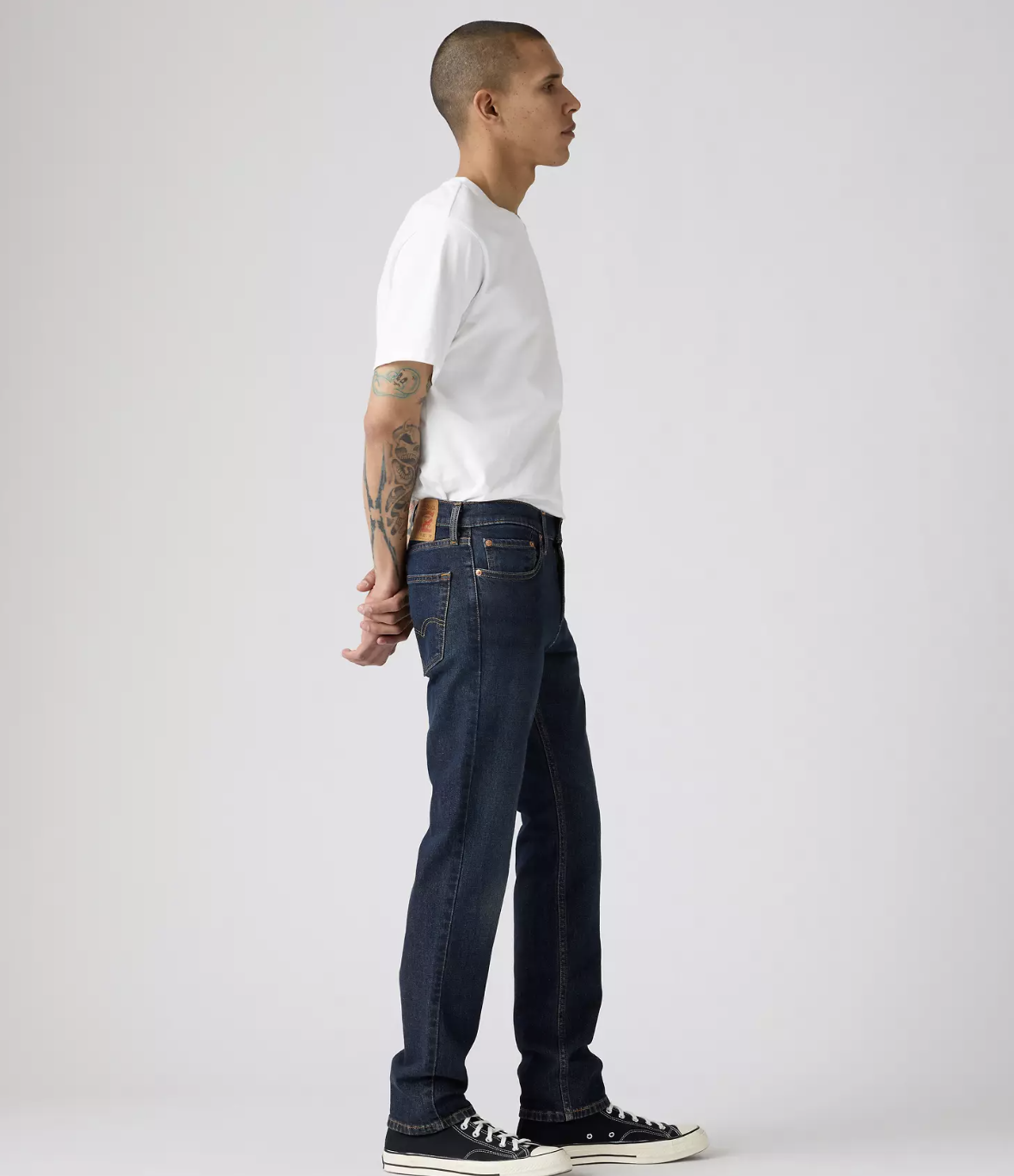
Levi’s offers 511, 512, and 513 in multiple fabrics, from rigid cotton to advanced stretch blends. The fit name tells you the shape, but the fabric decides how that shape feels over a day of wear.
Most standard 511/512/513 washes sit in the midweight range, which balances durability and comfort. Heavier seasonal or special runs will feel stiffer out of the bag, relax more slowly and hold creases and fades more dramatically. Lightweight versions break in quickly but do not age with the same structure.
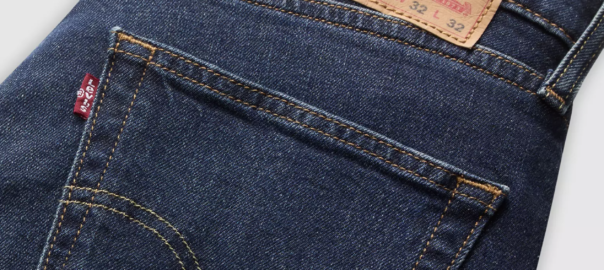
Across these fits, Levi’s uses similar construction fundamentals: five-pocket layout, bar tacks at stress points, and riveted front pockets. Higher-priced or selvedge runs can bring heavier pocket bags, tighter stitching and shuttle-loomed selvedge denim. If you care about long-term durability, pay attention to pocket bag weight, stitching density at the crotch and seat, and how clean the inside seams look when you turn the jean inside out.
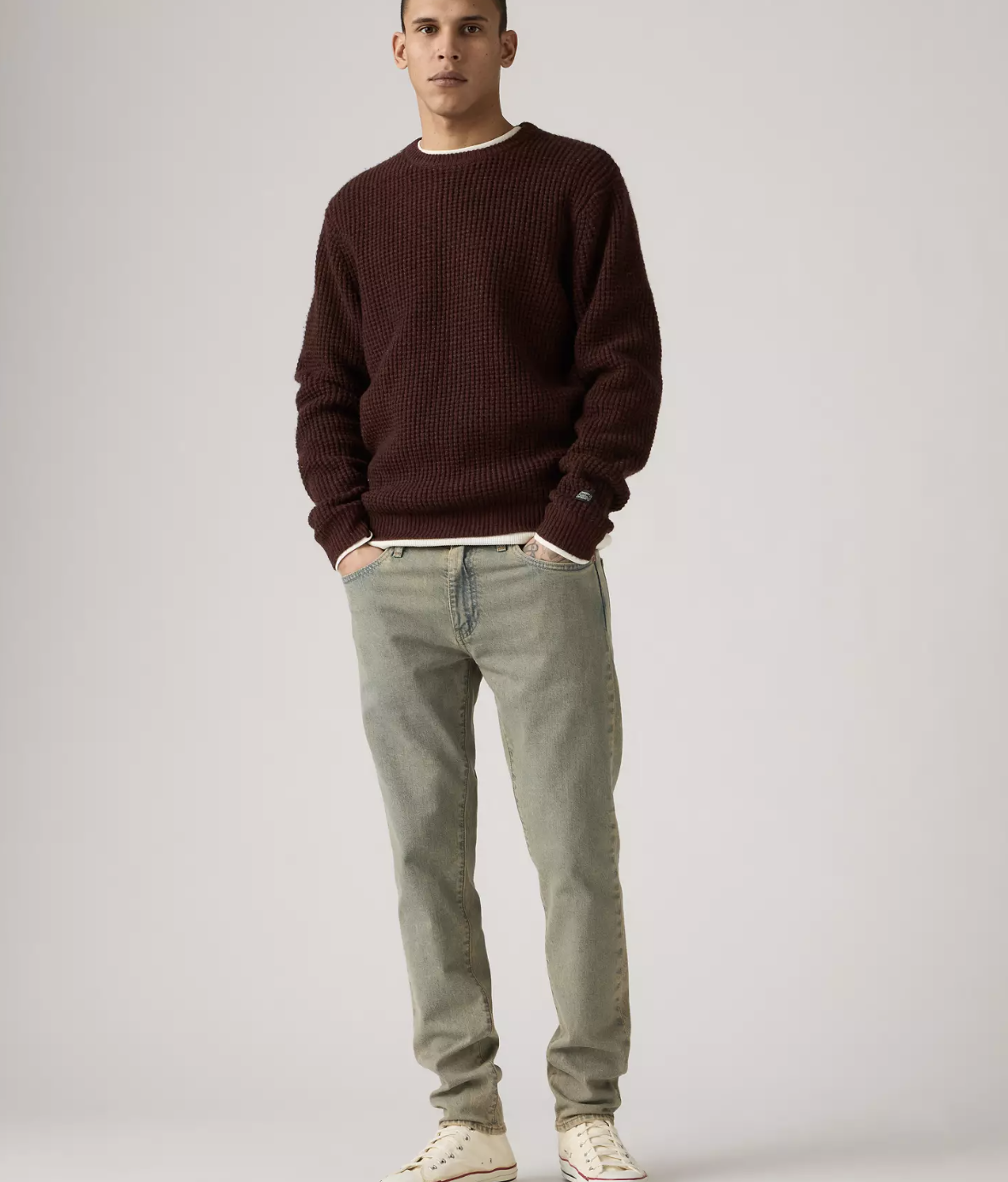
Here’s how each fit behaves visually once it is on a body and hemmed to a sensible inseam.
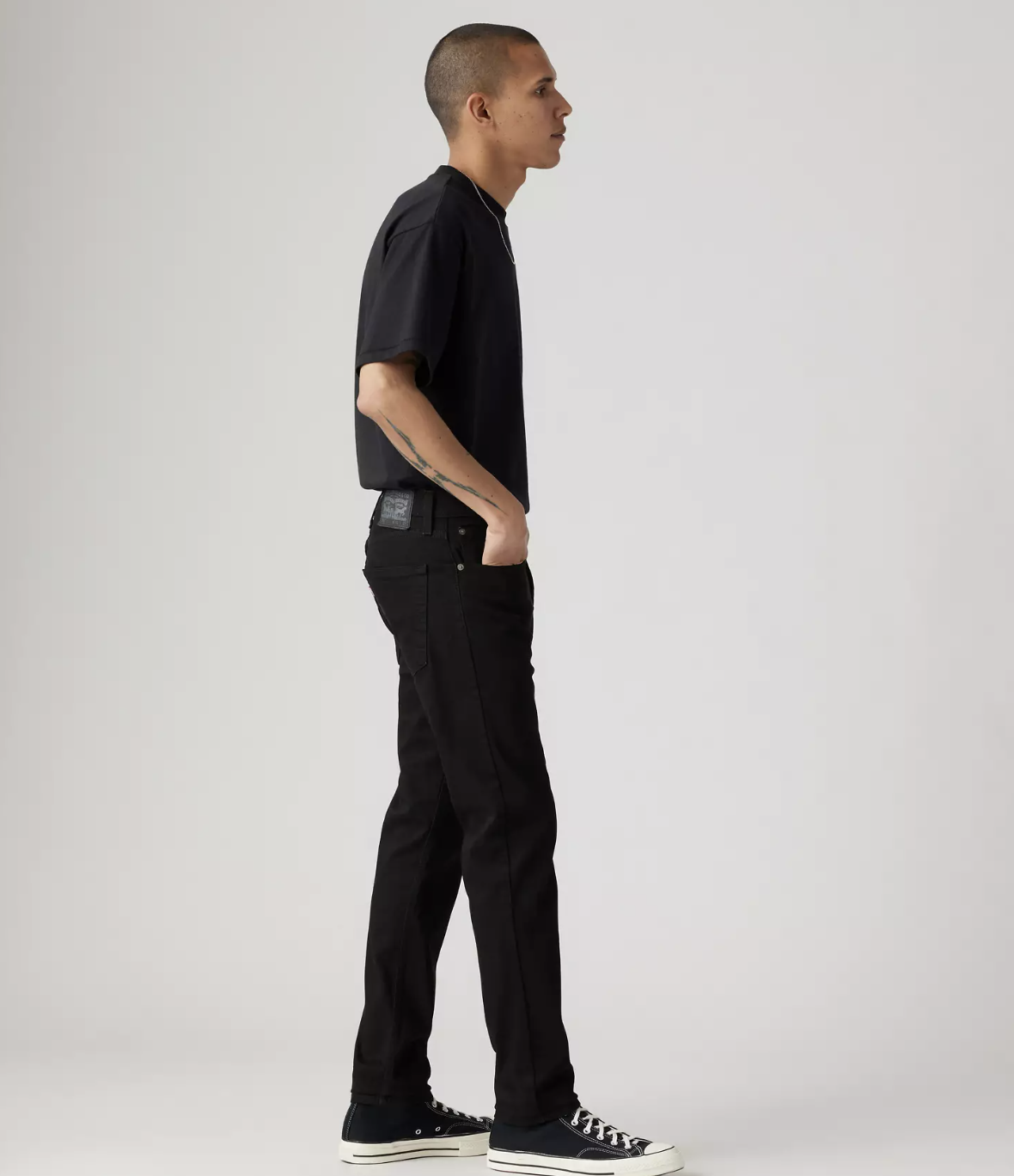
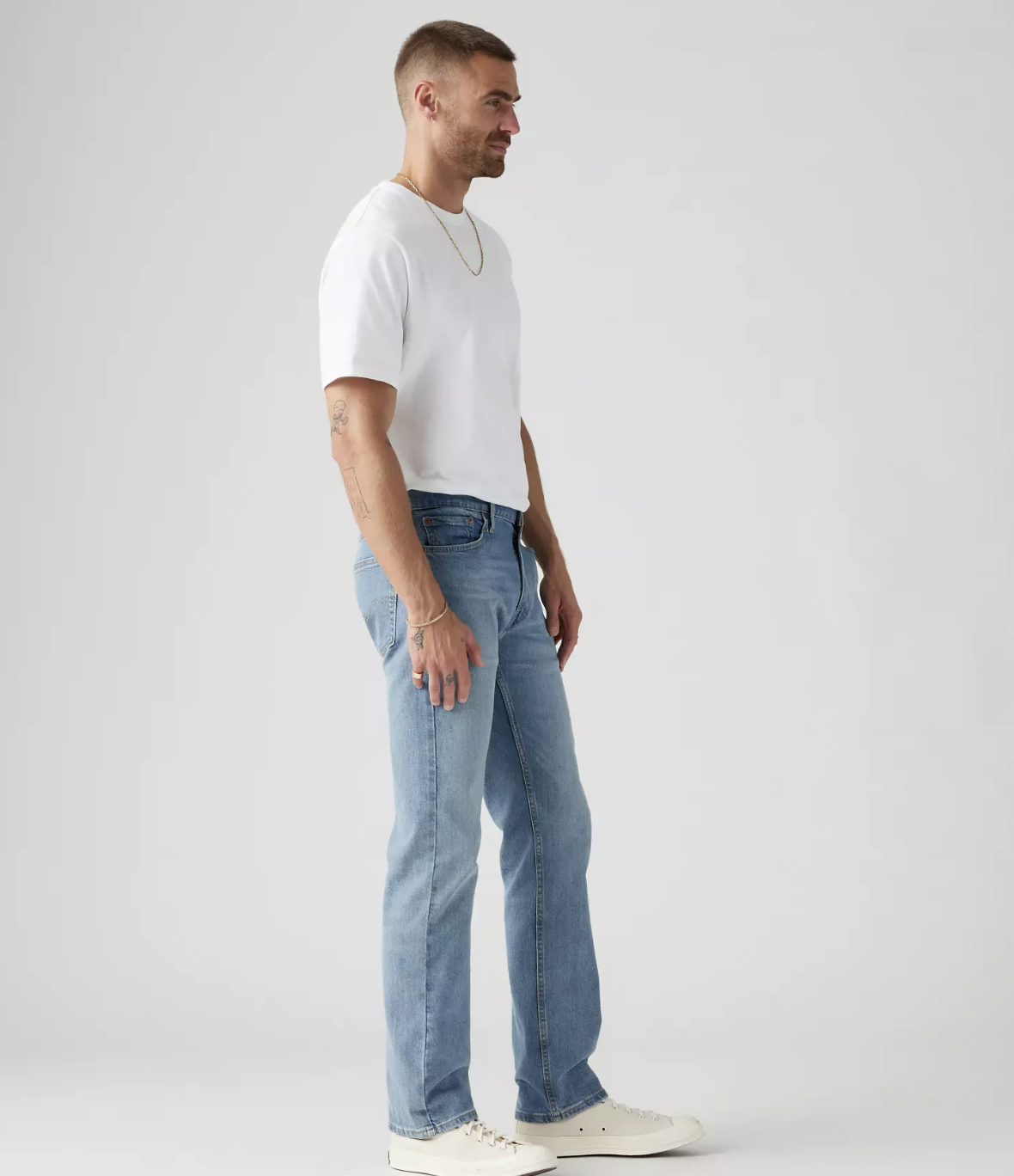
The right Levi’s fit is the one that respects your proportions. Use these guidelines as a starting point, then refine based on your calves, shoes and personal taste.
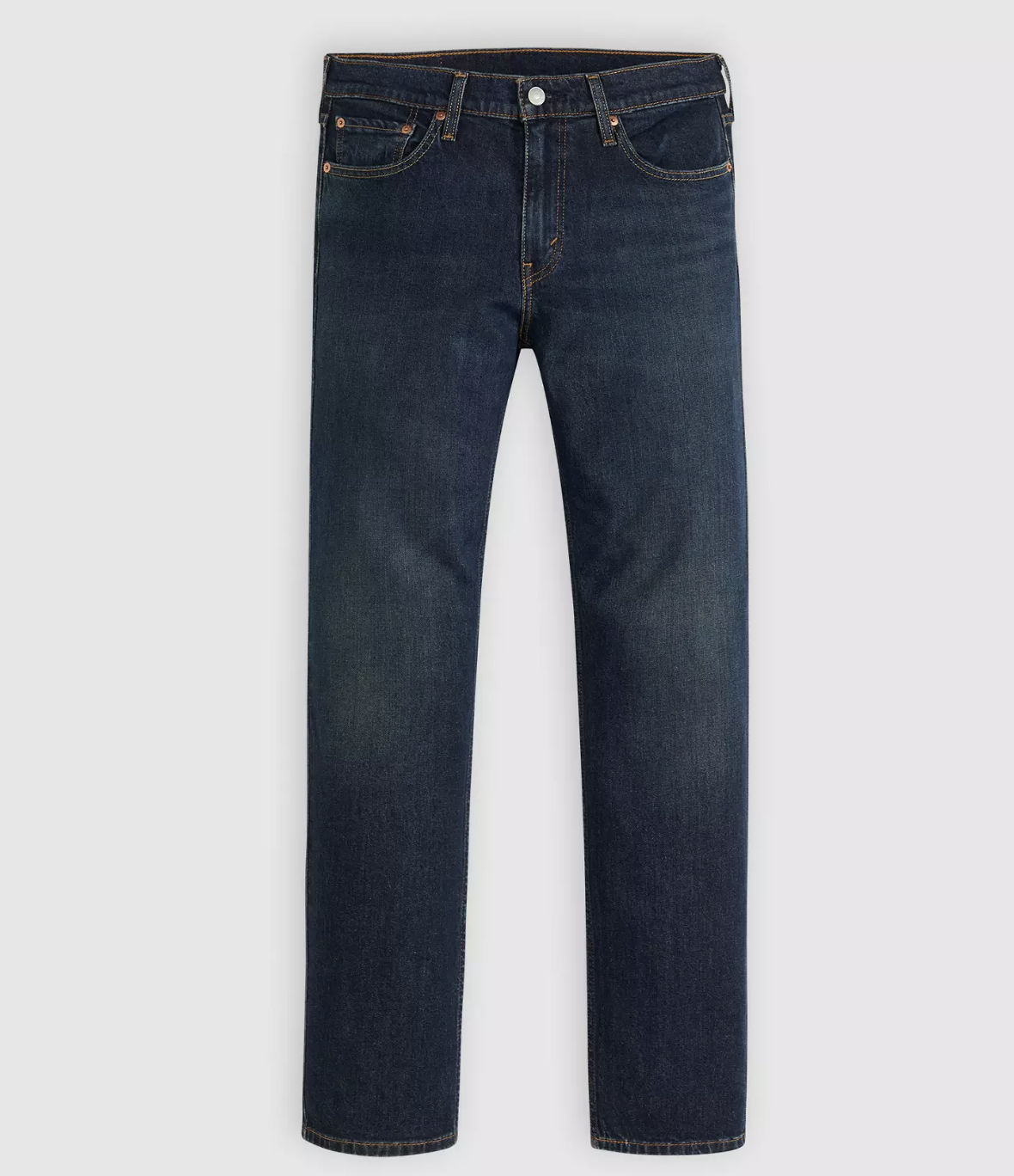
Beyond the paper measurements, each fit behaves differently once you wash and wear it.
Levi’s, like most mass brands, does not cut every wash and every factory run to a single exact spec. Two pairs of 511s in the same tagged size can differ by a small but noticeable amount at the waist or thigh.
All three fits live in the core Levi’s price band, with occasional premiums for selvedge, special collaborations or heavyweight denim. In practical terms:
When you move into selvedge or premium lines, expect upgrades in denim weight, mill origin and construction details rather than a change to the underlying fit pattern.
If you want a simple rule set to choose between them, use this checklist:
Start with the top block that feels the best, then decide how much space you want below the knee. That choice will serve you better than chasing a cut that looks good in product photos but fights your body in real life.
Both are slim fits that sit below the waist with a low–mid rise. The main difference is the leg: the 511 is slim from hip to hem, while the 512 uses a sharper taper from the knee down and finishes in a narrower opening. In short, similar top block, narrower ankle on the 512.
Through the thigh and seat, they are similar when sized the same. The 512 feels tighter from the knee down because of the taper and smaller leg opening. If your calves are larger, you will notice the 512 more than the 511.
The 511 is slim from hip to hem. The 513 is slim in the top block, then drops straighter from the knee down with a wider opening. On the body, the 513 feels slightly more relaxed in the thigh and ankle.
Of these three, the 513 is usually the best starting point for bigger thighs or athletic legs. The straighter leg and extra ease in the thigh make it more comfortable, especially in rigid denim.
They are both slim fits, not true skinny jeans. The 512 looks closer to skinny because of the taper and narrow opening, but with the right waist size, both are still in the slim category rather than skin-tight.
The 513 is the easiest match for chunkier footwear because of its wider, straighter leg opening. The 511 can also work if you avoid very thick soles. The 512 is best kept for slimmer trainers and boots.

The editorial team at FashionBeans is your trusted partner in redefining modern men’s style. Established in 2007, FashionBeans has evolved into a leading authority in men’s fashion, with millions of readers seeking practical advice, expert insights, and real-world inspiration for curating their wardrobe and lifestyle.
Our editorial team combines over 50 years of collective experience in fashion journalism, styling, and retail. Each editor brings specialized expertise—from luxury fashion and sustainable style to the latest grooming technology and fragrance science. With backgrounds ranging from GQ and Esquire to personal styling for celebrities, our team ensures every recommendation comes from a place of deep industry knowledge.
 07 January 2026
 FashionBeans Editors
We independently evaluate all recommended products and services. Any products or services put forward appear in no particular order. if you click on links we provide, we may receive compensation.
Shoppers often group Levi’s 511, 512, and 513 together because the names fall under the “slim” category, but the patterns tell a different story. The 511 uses a slim straight leg, the 512 adds a sharper taper, and the 513 opens up the hem. Rise height, seat depth, and thigh width also vary in ways most product pages never explain.
Here, the goal is clarity. We focus on the top block first since that determines comfort and stability, then move to leg geometry, stretch behavior, and body-type suitability. The result is a straightforward guide that shows exactly how each fit is cut, where the differences sit in the pattern, and how those differences affect the way the jeans wear over time.
Use this table as a quick reference before we dive into the details. Measurements are typical patterns for men’s jeans in the 30–32″ waist range, but can vary slightly by wash and fabric.
| Model | Fit Name | Rise | Seat & Thigh Ease | Leg Shape | Knee (Flat) | Leg Opening (Flat) | Where It Sits | Stretch? | Best For |
|---|---|---|---|---|---|---|---|---|---|
| 511 | Slim | Low–mid rise | Trim through seat and thigh | Slim from hip to hem | Moderately narrow | Narrow, but not skinny | Below the waist | Rigid, stretch & advanced stretch options | Slim to average builds, narrow thighs, everyday slim jean |
| 512 | Slim Taper | Low–mid rise | Similar top block to 511, sometimes a touch more thigh | Slim through thigh, sharper taper from knee down | Similar to 511 | More narrow than 511 | Below the waist | Mostly stretch or advanced stretch | Slim/average builds, narrow ankle, modern tapered look |
| 513 | Slim Straight | Low–mid rise | Slim but slightly more forgiving in the thigh | Slim through thigh, straight from knee to hem | Similar or marginally wider than 511/512 | Wider than 511/512 | Below the waist | Rigid and stretch options | Average to slightly athletic builds, chunkier footwear, straighter leg line |
In our denim language, the top block is where the fit lives. If the waist, rise, seat and thigh do not work on your body, the leg shape will not save the jeans.
All three of these Levi’s fits sit just below the waist with a low–mid rise, but they handle thigh room differently.
The 511 is cut as a classic slim. In most washes, the waist is true to tag, the seat is close without being sprayed on, and the thigh is trim. On slimmer and average builds, the 511 gives a clean line through the top block without obvious pulling across the front rise or the back yoke when you stand naturally.
The 512 shares a similar top-block idea with the 511: slim, not skinny. In many size runs, the pattern gives a hair more room in the thigh to keep the jean wearable once the aggressive taper kicks in. On the body, the upper half should feel comparable to a 511 of the same size if you have slimmer legs; thicker thighs will feel the 512 clamp more around mid-thigh than the 513.
The 513 is a slim straight, which in Levi’s terms means “slim in the seat and thigh, but straighter from the knee down.” Because of that straight drop, the pattern usually allows a fraction more ease in the thigh and knee. On average or slightly athletic legs, this is the one that pinches the least when you sit or climb stairs.
If you ever feel torn between two sizes in any of these fits, work from the top block, not the ankle. Choose the waist that gives a flat front, no gaping at the back, and no hard horizontal stress lines across the thighs. Once that is dialed in, you can decide if you prefer the straighter 513 leg, the even 511, or the sharper taper of the 512.
Once the top block works, leg architecture decides how the jean reads from the knee down. Here is how the three fits differ from the knee to the hem.
The 511 keeps a consistent slim profile from thigh to ankle. The knee and leg opening are both narrow, but not as aggressive as a skinny fit. On the body, the 511 hugs the leg lightly and pools less around the ankle if you choose a sensible inseam.
The 512 keeps a similar thigh to the 511 but narrows more from the knee down. The taper creates a more defined ankle and makes the leg opening sit closer to the shoe. This reads as a modern tapered silhouette without crossing into painted-on territory if you size the waist correctly.
The 513 narrows from the thigh to the knee but then drops more straight to the hem. The leg opening is wider than both the 511 and 512. That extra space around the ankle makes it more forgiving over higher-tongue sneakers or chunkier boots.
All three fits sit below the natural waist with a low–mid rise, but small changes in pattern and body proportions can shift how that feels.
If you are shorter, aim for a rise that does not chop across the widest part of your midsection. If you are taller, avoid fits that sit so low they create a long torso and short leg effect. In all cases, focus on a smooth front with no pulling across the fly.
Levi’s offers 511, 512, and 513 in multiple fabrics, from rigid cotton to advanced stretch blends. The fit name tells you the shape, but the fabric decides how that shape feels over a day of wear.
Most standard 511/512/513 washes sit in the midweight range, which balances durability and comfort. Heavier seasonal or special runs will feel stiffer out of the bag, relax more slowly and hold creases and fades more dramatically. Lightweight versions break in quickly but do not age with the same structure.
Across these fits, Levi’s uses similar construction fundamentals: five-pocket layout, bar tacks at stress points, and riveted front pockets. Higher-priced or selvedge runs can bring heavier pocket bags, tighter stitching and shuttle-loomed selvedge denim. If you care about long-term durability, pay attention to pocket bag weight, stitching density at the crotch and seat, and how clean the inside seams look when you turn the jean inside out.
Here’s how each fit behaves visually once it is on a body and hemmed to a sensible inseam.
The right Levi’s fit is the one that respects your proportions. Use these guidelines as a starting point, then refine based on your calves, shoes and personal taste.
Beyond the paper measurements, each fit behaves differently once you wash and wear it.
Levi’s, like most mass brands, does not cut every wash and every factory run to a single exact spec. Two pairs of 511s in the same tagged size can differ by a small but noticeable amount at the waist or thigh.
All three fits live in the core Levi’s price band, with occasional premiums for selvedge, special collaborations or heavyweight denim. In practical terms:
When you move into selvedge or premium lines, expect upgrades in denim weight, mill origin and construction details rather than a change to the underlying fit pattern.
If you want a simple rule set to choose between them, use this checklist:
Start with the top block that feels the best, then decide how much space you want below the knee. That choice will serve you better than chasing a cut that looks good in product photos but fights your body in real life.
Both are slim fits that sit below the waist with a low–mid rise. The main difference is the leg: the 511 is slim from hip to hem, while the 512 uses a sharper taper from the knee down and finishes in a narrower opening. In short, similar top block, narrower ankle on the 512.
Through the thigh and seat, they are similar when sized the same. The 512 feels tighter from the knee down because of the taper and smaller leg opening. If your calves are larger, you will notice the 512 more than the 511.
The 511 is slim from hip to hem. The 513 is slim in the top block, then drops straighter from the knee down with a wider opening. On the body, the 513 feels slightly more relaxed in the thigh and ankle.
Of these three, the 513 is usually the best starting point for bigger thighs or athletic legs. The straighter leg and extra ease in the thigh make it more comfortable, especially in rigid denim.
They are both slim fits, not true skinny jeans. The 512 looks closer to skinny because of the taper and narrow opening, but with the right waist size, both are still in the slim category rather than skin-tight.
The 513 is the easiest match for chunkier footwear because of its wider, straighter leg opening. The 511 can also work if you avoid very thick soles. The 512 is best kept for slimmer trainers and boots.
The editorial team at FashionBeans is your trusted partner in redefining modern men’s style. Established in 2007, FashionBeans has evolved into a leading authority in men’s fashion, with millions of readers seeking practical advice, expert insights, and real-world inspiration for curating their wardrobe and lifestyle.
Our editorial team combines over 50 years of collective experience in fashion journalism, styling, and retail. Each editor brings specialized expertise—from luxury fashion and sustainable style to the latest grooming technology and fragrance science. With backgrounds ranging from GQ and Esquire to personal styling for celebrities, our team ensures every recommendation comes from a place of deep industry knowledge.


Get the latest Men's Style Advice, Evergreen Guides, Shopping Tips, and Exclusive Deals From Today's Top Brands.
We respect your privacy. We won't spam you.
Get the latest Men's Style Advice, Evergreen Guides, Shopping Tips, and Exclusive Deals From Today's Top Brands.
We respect your privacy. We won't spam you.
