


Get On The List
Get the latest Men's Style Advice, Evergreen Guides, Shopping Tips, and Exclusive Deals From Today's Top Brands.

 19 June 2024
 Matt Allinson
We independently evaluate all recommended products and services. Any products or services put forward appear in no particular order. if you click on links we provide, we may receive compensation.
In part 1 and part 2 of this mini-series, we’ve been covering how to layer and mix fabrics the correct way. By now, you should have a pretty solid understanding of how to layer correctly, which fabrics are suited to each season and how to mix all these different textures into a look without it looking too crazy and incoherent.
So what really is there left to cover in Part 3? Well, as we all know, it’s always nice to have a few go to ideas in your head when putting together a look for an occasion. Just as we all have our favourite colour combinations (navy and brown or red and green for example), we can have favourite fabric combinations too.
Today, I’ll be taking you through two fabric combinations for both autumn/winter and spring/summer as well as providing a few hints on what to do on those awkward months somewhere in between sunshine and rainfall.

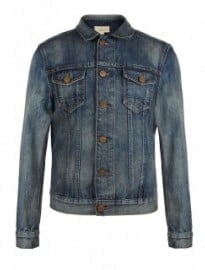
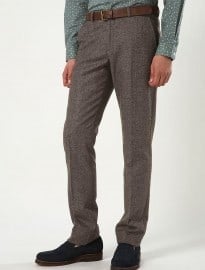
This look revolves entirely around the combination of denim and tweed fabrics. They are both extremely durable materials which have their history firmly planted in a workerwear environment. This means they are pretty much perfect for each other and the combinations available to you are almost never ending, due to their popularity amongst both high street brands and premium designers.
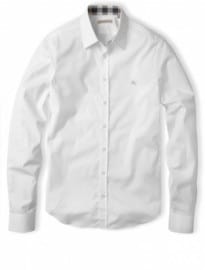
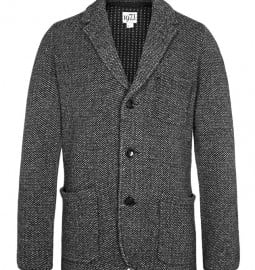
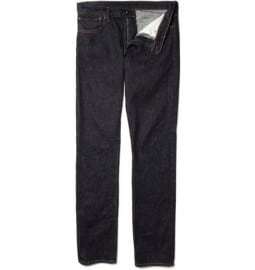
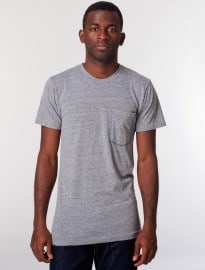
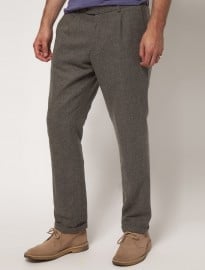
You can play things safe by pairing your dark wash jeans with a grey tweed blazer and white button down for a simple and classic look for an evening meal. You could even swap the jacket for a waistcoat if you fancied. Or why not highlight it’s working-man roots and opt for a pair of brown tweed trousers paired with a denim jacket and grey crew-neck t-shirt?
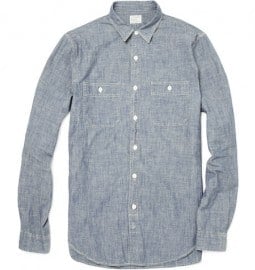
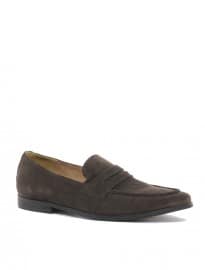
For those of you lucky enough to own a tweed suit but are unsure as how to dress it down, reach for a chambray button down shirt in a mid blue or indigo wash and finish with a casual suede penny loafer – works like a dream.

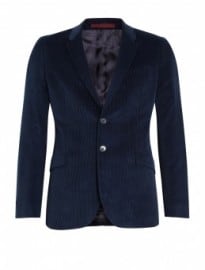
This next look takes inspiration from all our grandfathers and revolves around the use of corduroy and wool. Again, they both lend themselves to each other due to their associated history, but also because their heavy, thick nature is perfect for keeping warm in the cold.
The trick to pulling off corduroy is to make sure you pick one with small to pin wales. The wales are the ridges used to give corduroy its distinctive texture and when placed too wide apart can take you back to your childhood days of being forced to wear it and hating every minute.
I tend to stick prefer cord trousers teamed with wool jumpers/cardigans as I think it creates a simple, more casual aesthetic. However, there is no reason you can’t pluck for wool trousers and pair it with a cord jacket.
Finally, I tend to use thicker cottons in order to link the two fabrics together (like an Oxford cloth shirt).
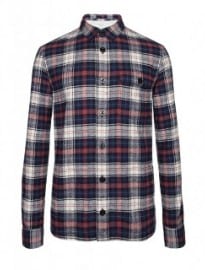
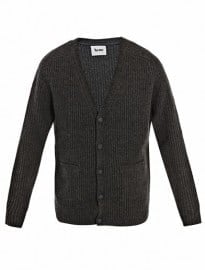
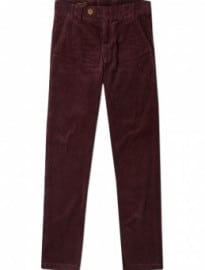
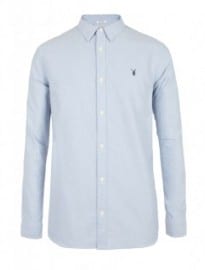

During the warmer months, you obviously want something a little more lightweight and breathable. And let’s face it, no other material does this better than linen. Once you get over the fact that it wrinkles (and simply embrace it), your world will open up to all the great options available to you in this fine material.
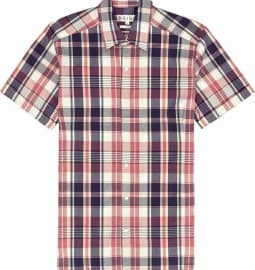
The perfect partner to linen just so happens to be another lightweight material – madras. It comes in a wide array of colorful checks and is a great way to punch up a summer look with a little bit of preppy attitude.
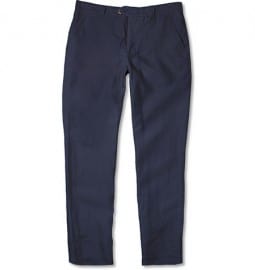
As madras tends to be the bolder of the two choices, I’d try to keep the linen aspect of your look simple, neutral and classic. For example, a pair of madras shorts looks great with a white shirt, whilst a madras short sleeve shirt is perfect when placed next to some navy linen suit trousers.
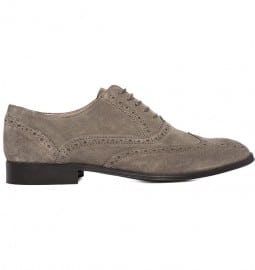
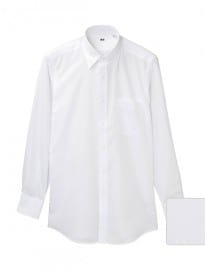
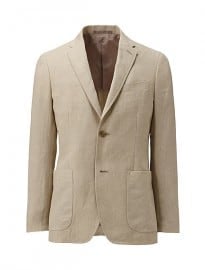
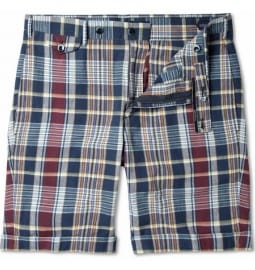
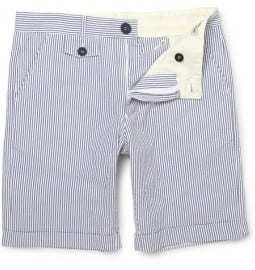
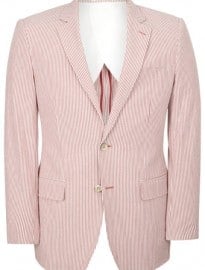
Finally, the easiest of all fabrics to pair – seersucker and cotton. Just make sure you stick to a traditional seersucker color scheme, such as white/blue or white/grey, keep the cotton thin, such as broadcloth, and you can’t go wrong.
Seriously, pick any two items of these materials and put them together for a great classic summer look.
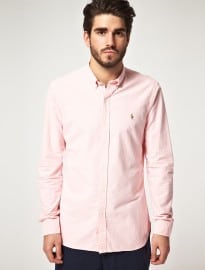
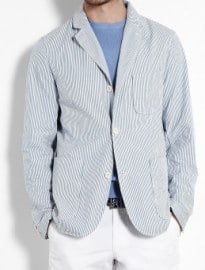
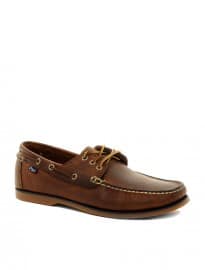
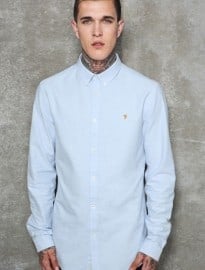
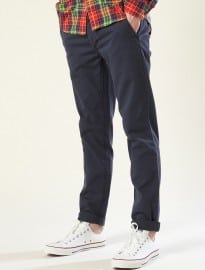

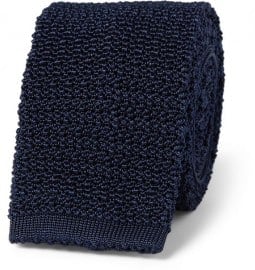
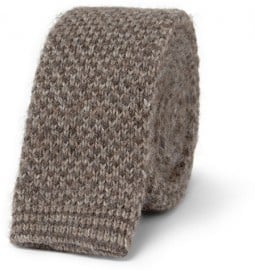
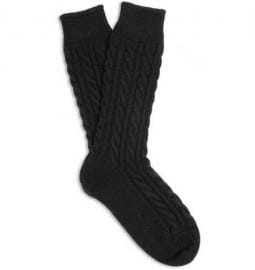
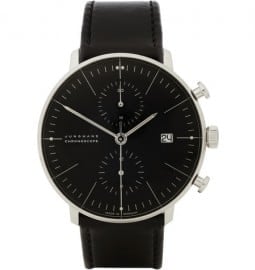
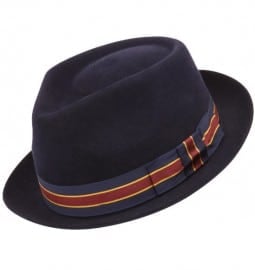
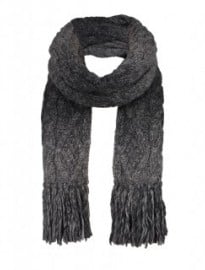
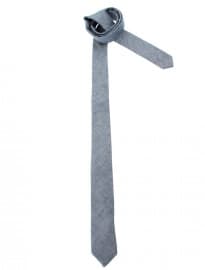
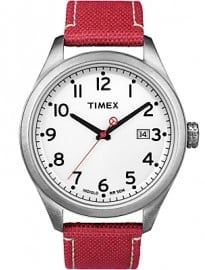
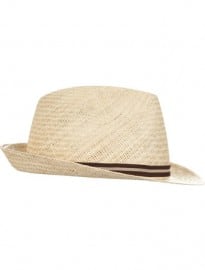
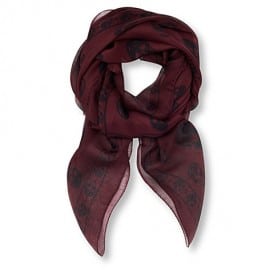
So what about those transitional months? The one’s where we are moving from one season to another? Well, it really is simple. Just start introducing small pieces from the coming months into your wardrobe. For example, this can be done really easily through accessories. A tie made from a thicker silk or wool is a great nod towards the coming autumn, especially when you find yourself needing a little extra warmth around your neck. The same can be said for the introduction of a thicker sock, a leather wrist strap on your watch (rather than canvas) and a hat of a more durable fabric. A As for spring/summer, just do the opposite! A/W Transition:
S/S Transition:
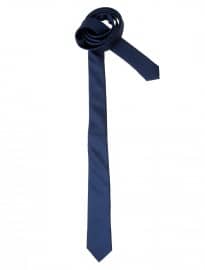

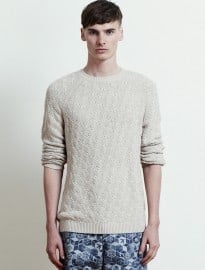
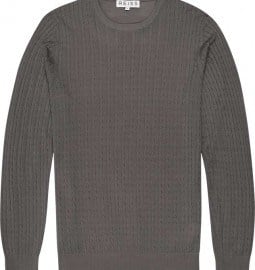
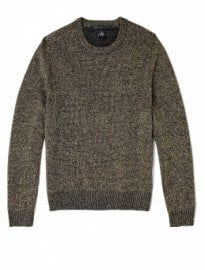
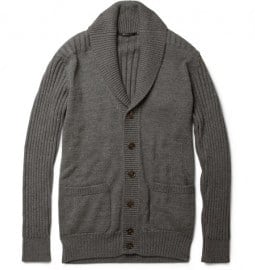
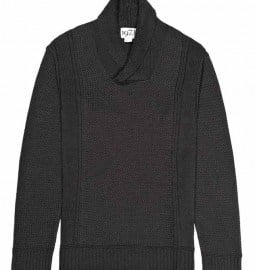
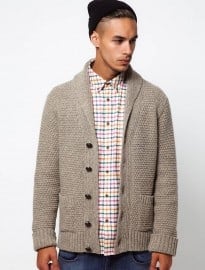
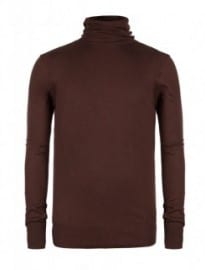
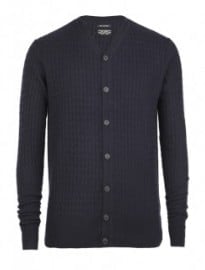
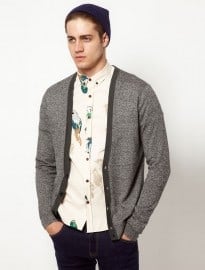
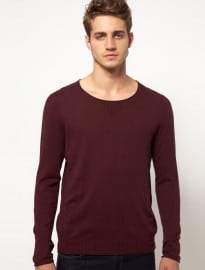
This principle can also be applied to knitwear. There are plenty of knit options out there that are made from super lightweight cotton or wool – these are ideal for a summer evening but can also be utilized as an extra layer during the days of September, under a suit or other office-wear.
But whichever way you do it, just remember to use it as an accent to your look and as a hint to the months to come: A/W Knitwear
S/S Knitwear
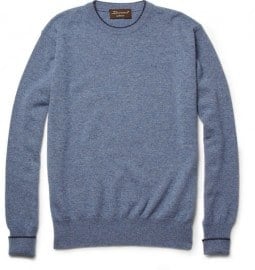
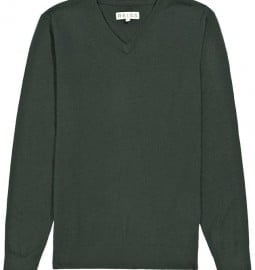
So there you have it guys, a comprehensive guide on how to layer and mix textures with style. As always, I love hearing back from you and getting your thoughts and opinions on the subject – so don’t forget to leave a comment.
Matt Allinson

Matt graduated from Leeds University in 2009 and is currently studying for an MA in Multi-media Journalism at Bournemouth University. He is in charge of the Men’s Fashion Basics section which provides you with a step by step guide to becoming a stylish individual in any situation.
 19 June 2024
 Matt Allinson
We independently evaluate all recommended products and services. Any products or services put forward appear in no particular order. if you click on links we provide, we may receive compensation.
In part 1 and part 2 of this mini-series, we’ve been covering how to layer and mix fabrics the correct way. By now, you should have a pretty solid understanding of how to layer correctly, which fabrics are suited to each season and how to mix all these different textures into a look without it looking too crazy and incoherent.
So what really is there left to cover in Part 3? Well, as we all know, it’s always nice to have a few go to ideas in your head when putting together a look for an occasion. Just as we all have our favourite colour combinations (navy and brown or red and green for example), we can have favourite fabric combinations too.
Today, I’ll be taking you through two fabric combinations for both autumn/winter and spring/summer as well as providing a few hints on what to do on those awkward months somewhere in between sunshine and rainfall.
This look revolves entirely around the combination of denim and tweed fabrics. They are both extremely durable materials which have their history firmly planted in a workerwear environment. This means they are pretty much perfect for each other and the combinations available to you are almost never ending, due to their popularity amongst both high street brands and premium designers.
You can play things safe by pairing your dark wash jeans with a grey tweed blazer and white button down for a simple and classic look for an evening meal. You could even swap the jacket for a waistcoat if you fancied. Or why not highlight it’s working-man roots and opt for a pair of brown tweed trousers paired with a denim jacket and grey crew-neck t-shirt?
For those of you lucky enough to own a tweed suit but are unsure as how to dress it down, reach for a chambray button down shirt in a mid blue or indigo wash and finish with a casual suede penny loafer – works like a dream.
This next look takes inspiration from all our grandfathers and revolves around the use of corduroy and wool. Again, they both lend themselves to each other due to their associated history, but also because their heavy, thick nature is perfect for keeping warm in the cold.
The trick to pulling off corduroy is to make sure you pick one with small to pin wales. The wales are the ridges used to give corduroy its distinctive texture and when placed too wide apart can take you back to your childhood days of being forced to wear it and hating every minute.
I tend to stick prefer cord trousers teamed with wool jumpers/cardigans as I think it creates a simple, more casual aesthetic. However, there is no reason you can’t pluck for wool trousers and pair it with a cord jacket.
Finally, I tend to use thicker cottons in order to link the two fabrics together (like an Oxford cloth shirt).
During the warmer months, you obviously want something a little more lightweight and breathable. And let’s face it, no other material does this better than linen. Once you get over the fact that it wrinkles (and simply embrace it), your world will open up to all the great options available to you in this fine material.
The perfect partner to linen just so happens to be another lightweight material – madras. It comes in a wide array of colorful checks and is a great way to punch up a summer look with a little bit of preppy attitude.
As madras tends to be the bolder of the two choices, I’d try to keep the linen aspect of your look simple, neutral and classic. For example, a pair of madras shorts looks great with a white shirt, whilst a madras short sleeve shirt is perfect when placed next to some navy linen suit trousers.
Finally, the easiest of all fabrics to pair – seersucker and cotton. Just make sure you stick to a traditional seersucker color scheme, such as white/blue or white/grey, keep the cotton thin, such as broadcloth, and you can’t go wrong.
Seriously, pick any two items of these materials and put them together for a great classic summer look.
So what about those transitional months? The one’s where we are moving from one season to another? Well, it really is simple. Just start introducing small pieces from the coming months into your wardrobe. For example, this can be done really easily through accessories. A tie made from a thicker silk or wool is a great nod towards the coming autumn, especially when you find yourself needing a little extra warmth around your neck. The same can be said for the introduction of a thicker sock, a leather wrist strap on your watch (rather than canvas) and a hat of a more durable fabric. A As for spring/summer, just do the opposite! A/W Transition:
S/S Transition:
This principle can also be applied to knitwear. There are plenty of knit options out there that are made from super lightweight cotton or wool – these are ideal for a summer evening but can also be utilized as an extra layer during the days of September, under a suit or other office-wear.
But whichever way you do it, just remember to use it as an accent to your look and as a hint to the months to come: A/W Knitwear
S/S Knitwear
So there you have it guys, a comprehensive guide on how to layer and mix textures with style. As always, I love hearing back from you and getting your thoughts and opinions on the subject – so don’t forget to leave a comment.
Matt Allinson
Matt graduated from Leeds University in 2009 and is currently studying for an MA in Multi-media Journalism at Bournemouth University. He is in charge of the Men’s Fashion Basics section which provides you with a step by step guide to becoming a stylish individual in any situation.


Get the latest Men's Style Advice, Evergreen Guides, Shopping Tips, and Exclusive Deals From Today's Top Brands.
We respect your privacy. We won't spam you.
Get the latest Men's Style Advice, Evergreen Guides, Shopping Tips, and Exclusive Deals From Today's Top Brands.
We respect your privacy. We won't spam you.
