


Get On The List
Get the latest Men's Style Advice, Evergreen Guides, Shopping Tips, and Exclusive Deals From Today's Top Brands.
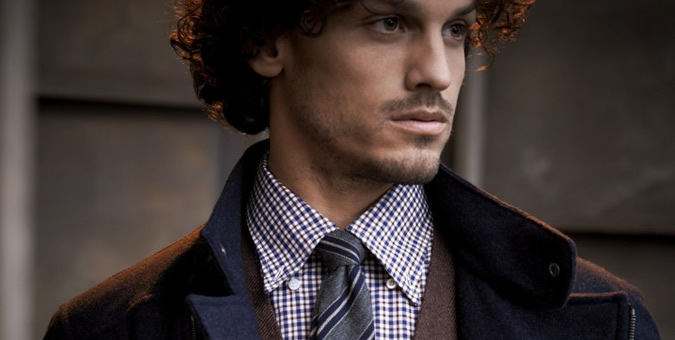
 31 December 2013
 Will Colman
We independently evaluate all recommended products and services. Any products or services put forward appear in no particular order. if you click on links we provide, we may receive compensation.
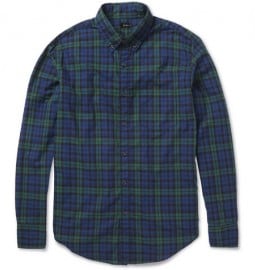
The check shirt is an item that even the most fashionably inept individual can relate to. It’s a classic piece that transcends the wardrobes of men across the globe – from sharply dressed city boys to rugged, blue-collar workers.
Their popularity is plain to see; you only need to walk along your local high street for confirmation. But this popularity comes at a price, and quite a serious one at that. The problem is, check shirts have become a little boring. Certainly not as an item in itself – they’re available in more patterns, sizes and palettes than ever before – but the way it is worn? I feel as though it has lost its edge.
All too often do we see large groups of men staggering around town after dark in horrible shirts, terrible jeans and pointed black shoes. Too often do we see check shirts worn un-tucked under shiny blazers. And too often do we see check shirts worn in the most dull and uninspiring ways imaginable.
Yet this is a timeless piece that has a lot to offer the modern style-conscious gent – way more than what your local city or high street might suggest. It’s possible to become too comfortable with our clothes; simply following the crowd and trying to fit in. The majority don’t think outside the box and are reluctant to try new things.
The check shirt is one of these safe options and if we really want them to work for us in a unique and contemporary way, we need to re-evaluate the way we approach them.
With all this in mind, here are three styling techniques that will help breathe new life into your current collection…
This idea is all about creative layering: combining pieces that you might not automatically think of, making the most of your wardrobe and stepping away from the shirt and jumper combinations that have long been a sartorial crutch.
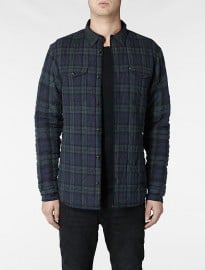
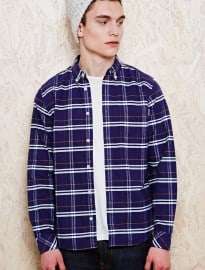
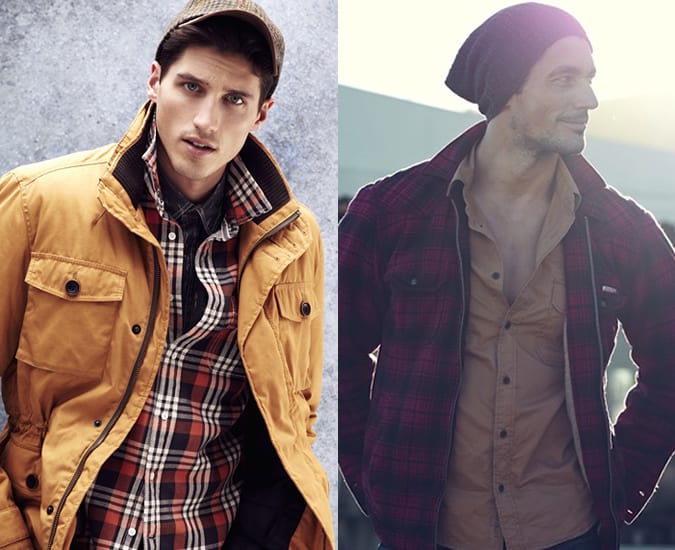
Wearing two shirts over the top of each other is a great way of adding texture and depth to your outfits. Sticking to Matt Allinson’s basic rule of layering, make sure your pieces go from thin to thick. I’d recommend using a heavyweight denim, flannel, brushed cotton or corduroy over-shirt for your outer layer as these tend to be straighter fitting and give you more space for movement.
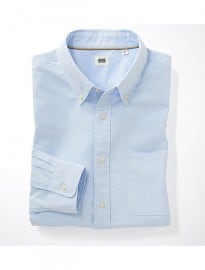
Underneath I would keep it casual with a lightweight Oxford, chambray or twill shirt. Be wary that dress shirts are often far too formal to be utilised within this aesthetic and will jar with the rugged, casual top layer.
By keeping your over-shirt muted and classic you give yourself much more scope for adding colour elsewhere. For instance, why not try a check shirt in mostly blue tones worn underneath an olive corduroy shirt?
Alternatively, those that want to make more of a statement can go bolder with their outer layer. Warm red, orange and brown check shirts look particularly great over blue chambray or plain white Oxford styles.
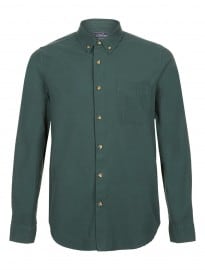
We are all very familiar with smart-casual dressing here at FashionBeans; it can be considered our house style. If our readers were to create an essentials list (as loathe as I am to use that word), it would almost certainly contain at least one blazer and many shirts with which you could dress said blazer up.
Yet when it comes to creating smart-casual outfits, the majority of men still tend to stick to the same type of shirts – invariably an Oxford cloth version or white dress styles. Just when menswear is finally beginning to accept colour and pattern, we continue to turn our noses up and stick with what we know – which, incidentally, is exactly how the check shirt became so boring in the first place.
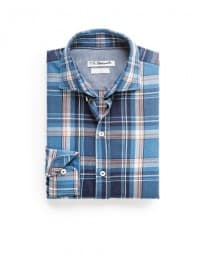
Our stylish Iberian cousins are particularly adept at converting the check shirt into smart-casual wear, so it’s always worth taking a browse through their offerings. For example, HE by Mango produces the perfect kind of shirt for this look: cutaway collars, slim-fitting and constructed from lighter weight cottons, they strike the right balance between formal and casual.
Just make sure you look for shirts with a curved hem that is long enough to be tucked in – we don’t want you looking sloppy.
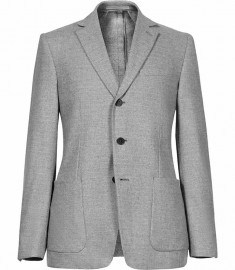
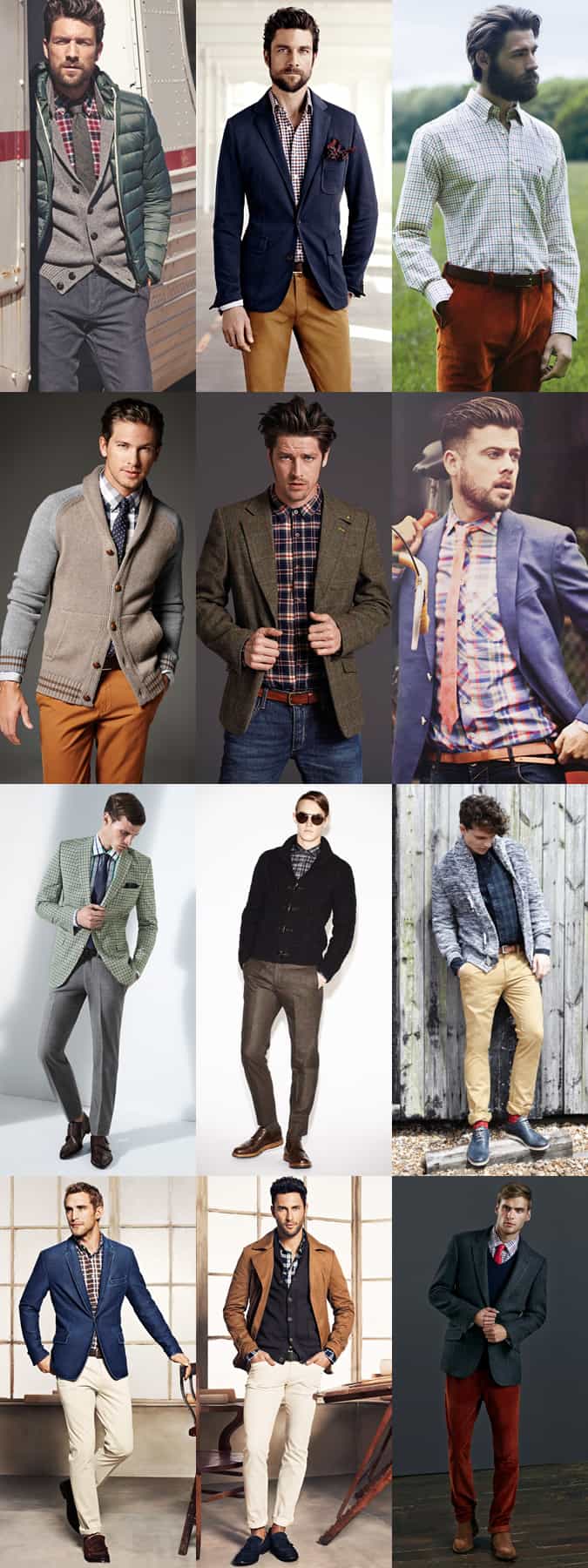
Step out of your comfort zone by pairing your check shirt with a deconstructed, textured or heavyweight jacket – these aren’t as formal as a structured blazer and therefore complement the slightly more relaxed nature of the shirt perfectly.
Knitted, soft shouldered, bold coloured or unlined blazers work particularly well, as do those jackets that include heritage detailing such as patch pockets or elbow patches.
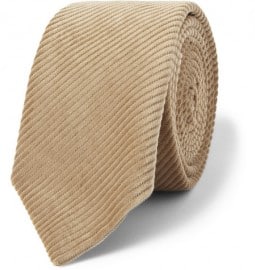
If you go down this root, don’t be afraid to add a textured tie for an extra injection of character and individuality.
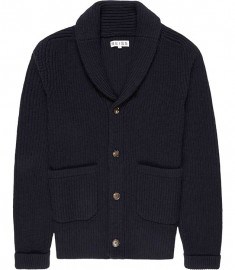
Alternatively, those who have a more relaxed personal style can try subbing out the blazer for something like a shawl neck cardigan, leather biker or waxed jacket.
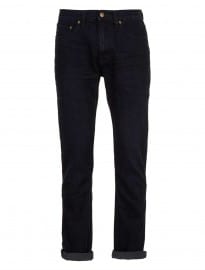
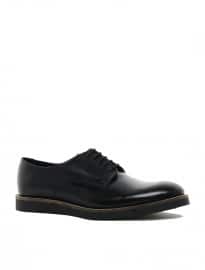
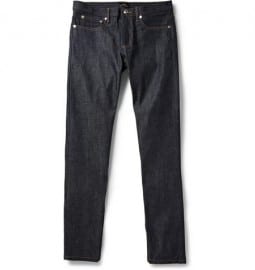
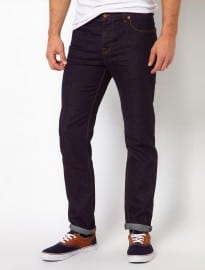
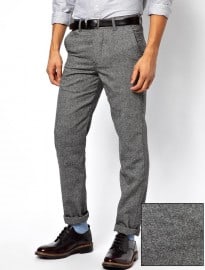
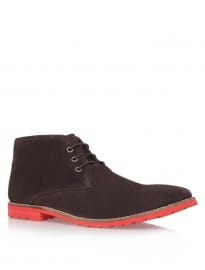
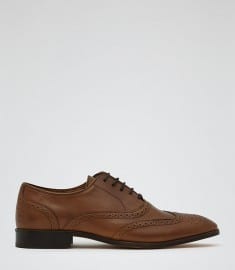
Finish with a pair of slim-fit jeans or heavyweight trousers and your choice of footwear (brogues, desert boots or suede Derbies would be ideal) for a look that works just as well on a night out as it does within a business-casual environment.
Thankfully, I haven’t yet been in the position of having to wear a suit to work every day, although I’m sure it will happen eventually. Despite this I can still understand the issues that many professional men face, particularly that you end up wearing pretty much the same thing, day in, day out.
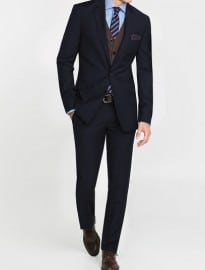
Personally, I don’t think there is anything better than a well fitting suit and crisp plain shirt in white, blue or pink – the basic colours we all know and rely on. But let’s be honest, this will quickly get boring, even if you do vary your ties. Fine stripes make a nice alternative but sometimes you just need something more. The formal check shirt could be just the answer.
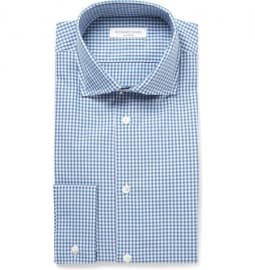
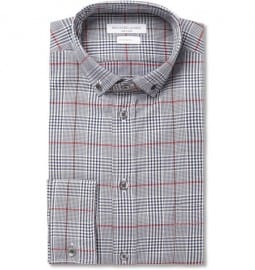
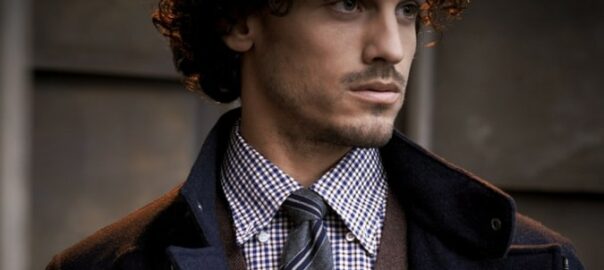
When it comes to wearing check shirts with your suiting, flannel plaid isn’t going to work; it’s just too casual. Here you want to be considering lightweight cotton dress shirts with small scale checks such as gingham, or larger, muted checks like Prince of Wales or windowpane.
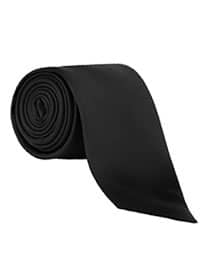
The easiest to pull off will be any small check pattern that features a classic neutral base tone such as white or blue. These can be worn with your existing solid-colour ties or contrasted with stripes and patterns, just remember to vary the pattern sizes.
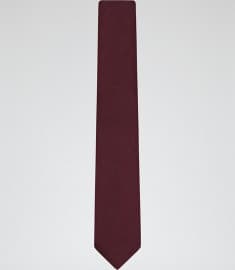
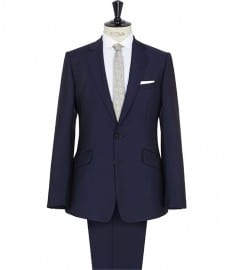
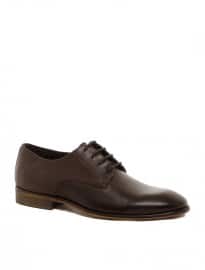
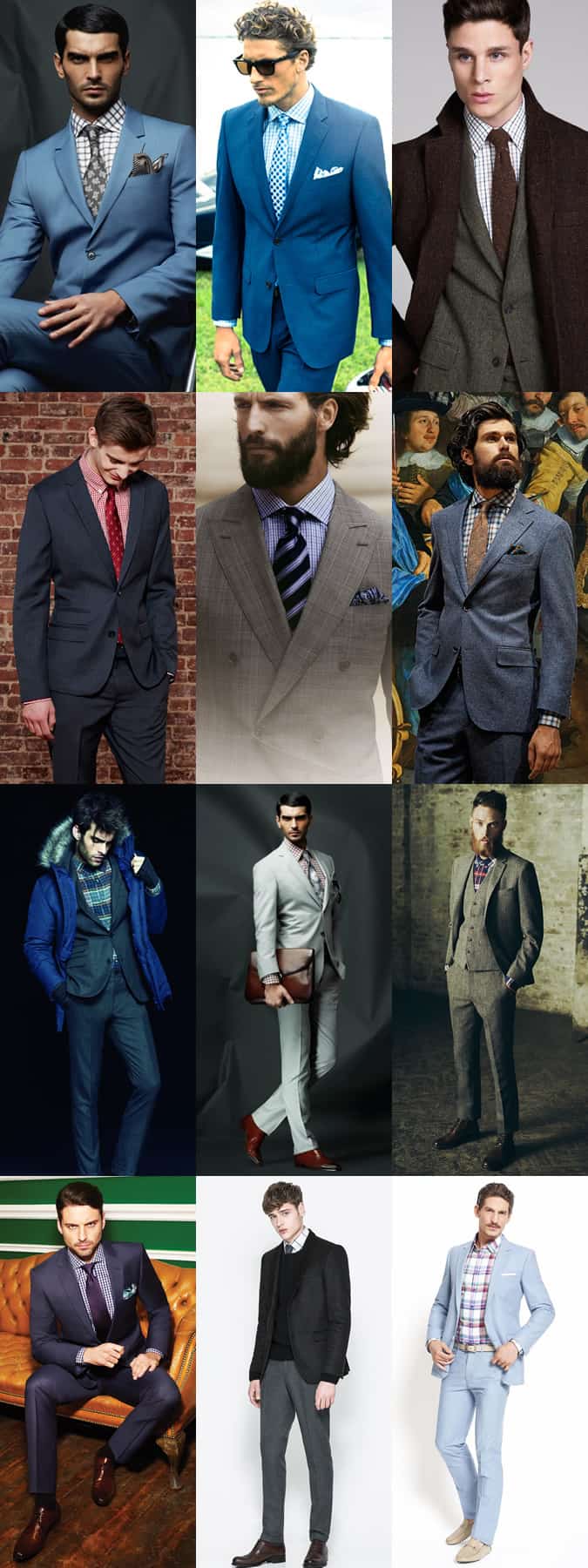
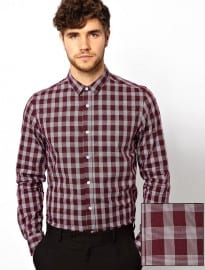
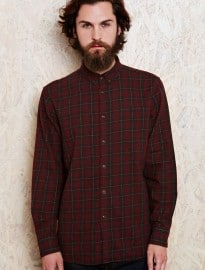
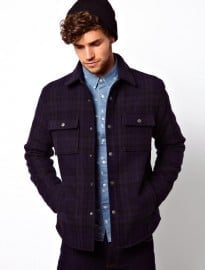
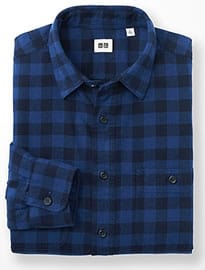
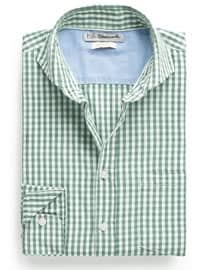
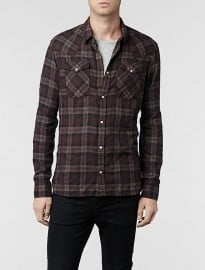
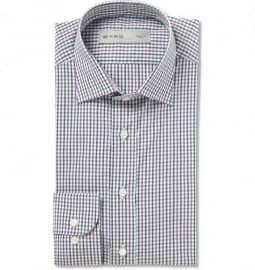
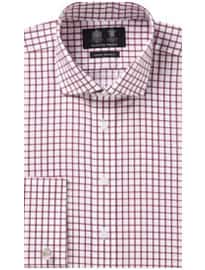
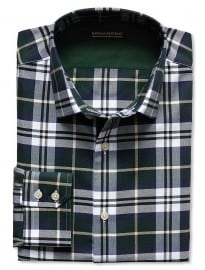
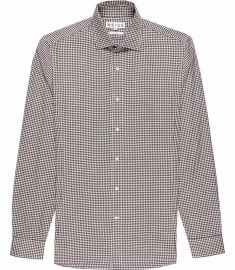
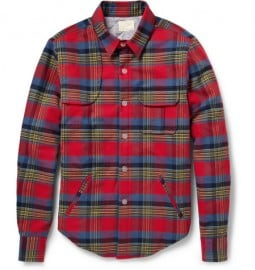
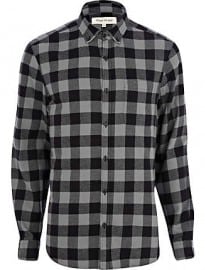
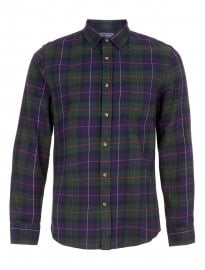
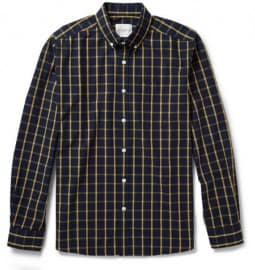
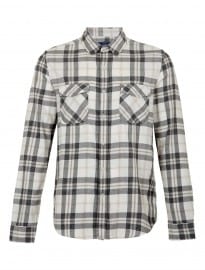
As you can see, there is a lot more to the check shirt than the masses might lead you to believe.
Whether formal or casual, by wearing them in an unexpected way or in a situation/environment where they’re slightly harder to pull off, you could find yourself standing out from the crowd for all the right reasons.
But now it’s time for you to have your say:
Let me know your thoughts in the comments section below… Will

Currently studying English Language & Literature at the University of Brighton, Will covers a variety of topics related to men’s fashion, with a particular focus on debating new trends and collections as well as discussing many of the issues affecting today’s fashionable gents.
 31 December 2013
 Will Colman
We independently evaluate all recommended products and services. Any products or services put forward appear in no particular order. if you click on links we provide, we may receive compensation.
The check shirt is an item that even the most fashionably inept individual can relate to. It’s a classic piece that transcends the wardrobes of men across the globe – from sharply dressed city boys to rugged, blue-collar workers.
Their popularity is plain to see; you only need to walk along your local high street for confirmation. But this popularity comes at a price, and quite a serious one at that. The problem is, check shirts have become a little boring. Certainly not as an item in itself – they’re available in more patterns, sizes and palettes than ever before – but the way it is worn? I feel as though it has lost its edge.
All too often do we see large groups of men staggering around town after dark in horrible shirts, terrible jeans and pointed black shoes. Too often do we see check shirts worn un-tucked under shiny blazers. And too often do we see check shirts worn in the most dull and uninspiring ways imaginable.
Yet this is a timeless piece that has a lot to offer the modern style-conscious gent – way more than what your local city or high street might suggest. It’s possible to become too comfortable with our clothes; simply following the crowd and trying to fit in. The majority don’t think outside the box and are reluctant to try new things.
The check shirt is one of these safe options and if we really want them to work for us in a unique and contemporary way, we need to re-evaluate the way we approach them.
With all this in mind, here are three styling techniques that will help breathe new life into your current collection…
This idea is all about creative layering: combining pieces that you might not automatically think of, making the most of your wardrobe and stepping away from the shirt and jumper combinations that have long been a sartorial crutch.
Wearing two shirts over the top of each other is a great way of adding texture and depth to your outfits. Sticking to Matt Allinson’s basic rule of layering, make sure your pieces go from thin to thick. I’d recommend using a heavyweight denim, flannel, brushed cotton or corduroy over-shirt for your outer layer as these tend to be straighter fitting and give you more space for movement.
Underneath I would keep it casual with a lightweight Oxford, chambray or twill shirt. Be wary that dress shirts are often far too formal to be utilised within this aesthetic and will jar with the rugged, casual top layer.
By keeping your over-shirt muted and classic you give yourself much more scope for adding colour elsewhere. For instance, why not try a check shirt in mostly blue tones worn underneath an olive corduroy shirt?
Alternatively, those that want to make more of a statement can go bolder with their outer layer. Warm red, orange and brown check shirts look particularly great over blue chambray or plain white Oxford styles.
We are all very familiar with smart-casual dressing here at FashionBeans; it can be considered our house style. If our readers were to create an essentials list (as loathe as I am to use that word), it would almost certainly contain at least one blazer and many shirts with which you could dress said blazer up.
Yet when it comes to creating smart-casual outfits, the majority of men still tend to stick to the same type of shirts – invariably an Oxford cloth version or white dress styles. Just when menswear is finally beginning to accept colour and pattern, we continue to turn our noses up and stick with what we know – which, incidentally, is exactly how the check shirt became so boring in the first place.
Our stylish Iberian cousins are particularly adept at converting the check shirt into smart-casual wear, so it’s always worth taking a browse through their offerings. For example, HE by Mango produces the perfect kind of shirt for this look: cutaway collars, slim-fitting and constructed from lighter weight cottons, they strike the right balance between formal and casual.
Just make sure you look for shirts with a curved hem that is long enough to be tucked in – we don’t want you looking sloppy.
Step out of your comfort zone by pairing your check shirt with a deconstructed, textured or heavyweight jacket – these aren’t as formal as a structured blazer and therefore complement the slightly more relaxed nature of the shirt perfectly.
Knitted, soft shouldered, bold coloured or unlined blazers work particularly well, as do those jackets that include heritage detailing such as patch pockets or elbow patches.
If you go down this root, don’t be afraid to add a textured tie for an extra injection of character and individuality.
Alternatively, those who have a more relaxed personal style can try subbing out the blazer for something like a shawl neck cardigan, leather biker or waxed jacket.
Finish with a pair of slim-fit jeans or heavyweight trousers and your choice of footwear (brogues, desert boots or suede Derbies would be ideal) for a look that works just as well on a night out as it does within a business-casual environment.
Thankfully, I haven’t yet been in the position of having to wear a suit to work every day, although I’m sure it will happen eventually. Despite this I can still understand the issues that many professional men face, particularly that you end up wearing pretty much the same thing, day in, day out.
Personally, I don’t think there is anything better than a well fitting suit and crisp plain shirt in white, blue or pink – the basic colours we all know and rely on. But let’s be honest, this will quickly get boring, even if you do vary your ties. Fine stripes make a nice alternative but sometimes you just need something more. The formal check shirt could be just the answer.
When it comes to wearing check shirts with your suiting, flannel plaid isn’t going to work; it’s just too casual. Here you want to be considering lightweight cotton dress shirts with small scale checks such as gingham, or larger, muted checks like Prince of Wales or windowpane.
The easiest to pull off will be any small check pattern that features a classic neutral base tone such as white or blue. These can be worn with your existing solid-colour ties or contrasted with stripes and patterns, just remember to vary the pattern sizes.
As you can see, there is a lot more to the check shirt than the masses might lead you to believe.
Whether formal or casual, by wearing them in an unexpected way or in a situation/environment where they’re slightly harder to pull off, you could find yourself standing out from the crowd for all the right reasons.
But now it’s time for you to have your say:
Let me know your thoughts in the comments section below… Will
Currently studying English Language & Literature at the University of Brighton, Will covers a variety of topics related to men’s fashion, with a particular focus on debating new trends and collections as well as discussing many of the issues affecting today’s fashionable gents.


Get the latest Men's Style Advice, Evergreen Guides, Shopping Tips, and Exclusive Deals From Today's Top Brands.
We respect your privacy. We won't spam you.
Get the latest Men's Style Advice, Evergreen Guides, Shopping Tips, and Exclusive Deals From Today's Top Brands.
We respect your privacy. We won't spam you.
